The consumer price index rose 0.4% monthly in October after seasonal adjustment, down from 0.6% in September but higher than the 0.3% economists expected, the Bureau of Labor Statistics reported Tuesday.
Core CPI, which excludes volatile food and energy prices, rose 0.3% in October, matching readings from September and August. Mark Zandi, chief economist at Moody's, said a consistent monthly reading around 0.2% would align with the Federal Reserve's 2% annual inflation target. Inflation has remained above the Fed's target for more than five years.
Housing drove much of the October increase. The shelter CPI index rose 0.3% in October, accounting for over 30% of the overall CPI increase. Zandi noted that housing volatility has been high month to month and said he does not expect the dynamic to persist based on market rent trajectories.
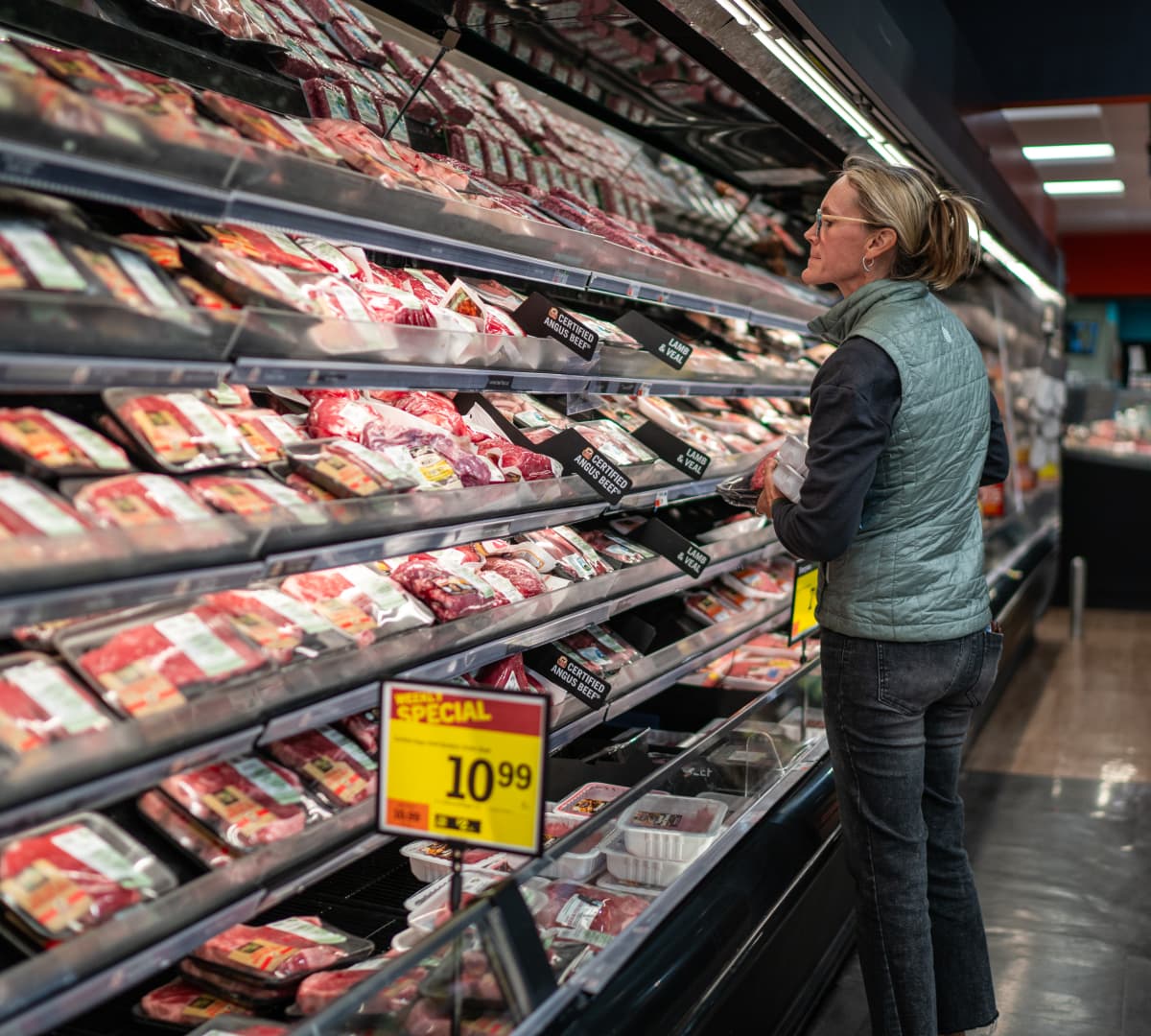
Gasoline prices rose 1% in October, a sharp pullback from a 9.1% monthly jump in September, as energy costs moderated. Food prices climbed 0.5% in October after holding flat in September, partly driven by elevated diesel costs that affect food transportation. Airfares rose 0.4% in October after increases of 1.2%, 2.7%, and 3.8% in the three preceding months.
Josh Hirt, senior U.S. economist at Vanguard Group, identified three outsized shocks driving core inflation. tariffs, energy prices, and AI-related demand. The Iran war has raised oil prices. Data center buildout for artificial intelligence has driven up electricity and consumer electronics prices, creating a shortage of technology equipment like memory chips.
Zandi said the inflationary impact of tariffs imposed by the Trump administration should fade by year-end if the White House does not pursue additional import taxes. Jason Pride, chief of investment strategy and research at Glenmede, wrote that the report made a Fed rate increase in December more likely.
The Bureau of Labor Statistics did not report an annual inflation figure because a federal government shutdown a year ago disrupted its typical data collection for October 2025.