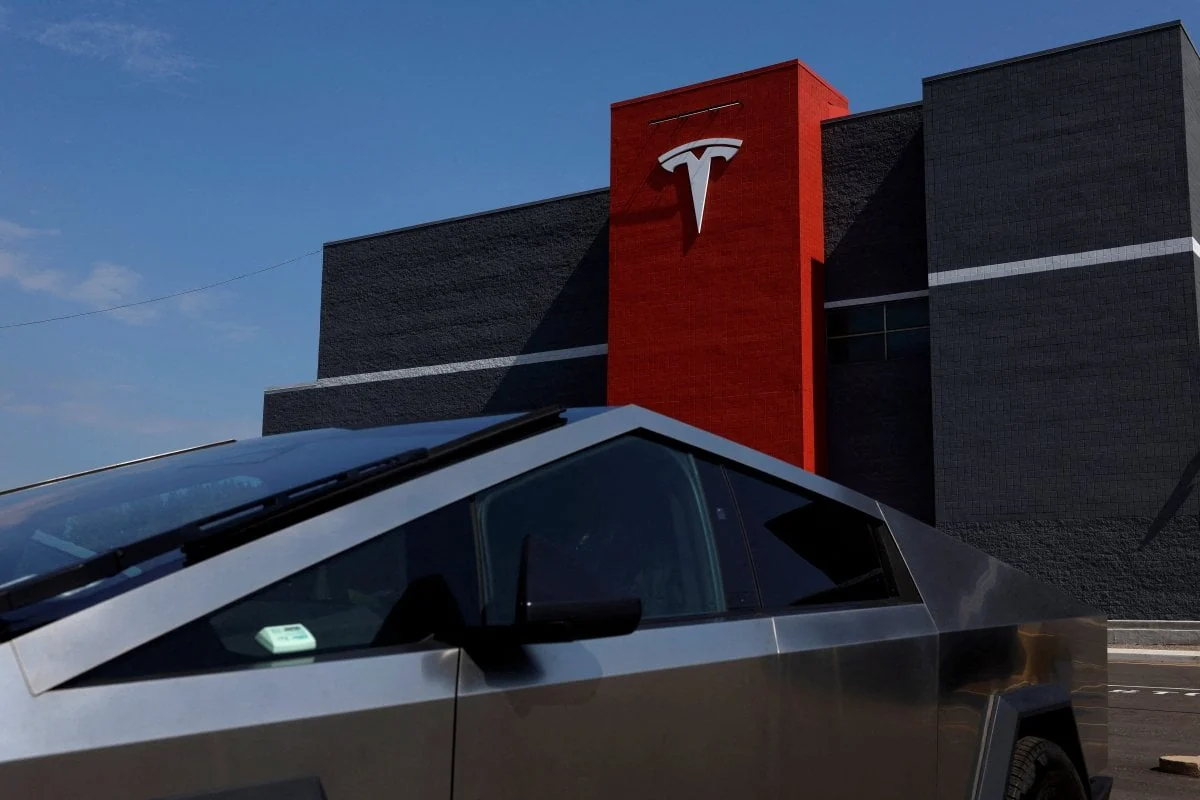
Elon Musk's announcement on Friday that Tesla will wind down Cybertruck production at Gigafactory Texas around the middle of next year to make room for increased Cybercab production represents far more than a simple manufacturing pivot. It is an admission that one of the most ambitious automotive projects in recent memory has failed to meet even modest commercial expectations. When Musk unveiled the Cybertruck in 2019, he presented it as a revolutionary pickup that would challenge traditional manufacturers with its unconventional stainless-steel design, futuristic appearance and impressive performance. Tesla reportedly accumulated more than a million reservations, and Musk projected the company could eventually sell around 250,000 Cybertrucks annually. The reality has been considerably less impressive.
The numbers tell a damning story. Tesla sold just 20,237 Cybertrucks in the U.S. in 2025, down 48% from 38,965 the previous year. The vehicle has faced multiple recalls and quality-control problems that have undermined consumer confidence. The Cybertruck also arrived at considerably higher prices than initially promised, limiting its appeal to mainstream pickup buyers. A polarizing design and a relatively narrow market for electric pickup trucks made it difficult for Tesla to turn the Cybertruck into the mass-market success Musk envisioned. These failures should prompt serious questions about how corporate decision-making went so wrong for so long.
What is perhaps most concerning is not the product failure itself, but what it reveals about Musk's pattern of making grandiose promises followed by disappointing execution. Years of development delays preceded the vehicle's launch in late 2023, which was accompanied by controversy, including a widely publicized demonstration in which a metal ball shattered one of the supposedly armored windows. Yet Tesla and its shareholders continued backing the project through these embarrassments. The market rewarded the Cybertruck wind-down announcement with a 5% intraday gain in Tesla shares on Friday, suggesting investors may be relieved to see the company cut its losses.
Now Tesla is pivoting toward Cybercab robotaxis, betting the company's future on artificial intelligence, autonomous driving and robotics rather than expanding its traditional electric vehicle lineup. Musk envisions eventually building a large fleet of driverless vehicles that could generate recurring revenue through autonomous transportation services. The Cybercab has already begun rolling out paid rides in Austin, Texas. However, the challenge remains formidable: turning that vision into a commercially viable business. Tesla still faces significant regulatory and technological hurdles before fully autonomous vehicles can operate broadly without human supervision.
The critical question for investors is whether the Cybercab can deliver the commercial success that the Cybertruck ultimately failed to achieve. Musk's track record suggests caution is warranted. The Cybertruck wind-down indicates Tesla is moving away from its identity as a traditional automaker and toward Musk's vision of an AI and robotics company. Before celebrating this strategic shift, shareholders should demand evidence that the next grand vision can succeed where the last one faltered so spectacularly.