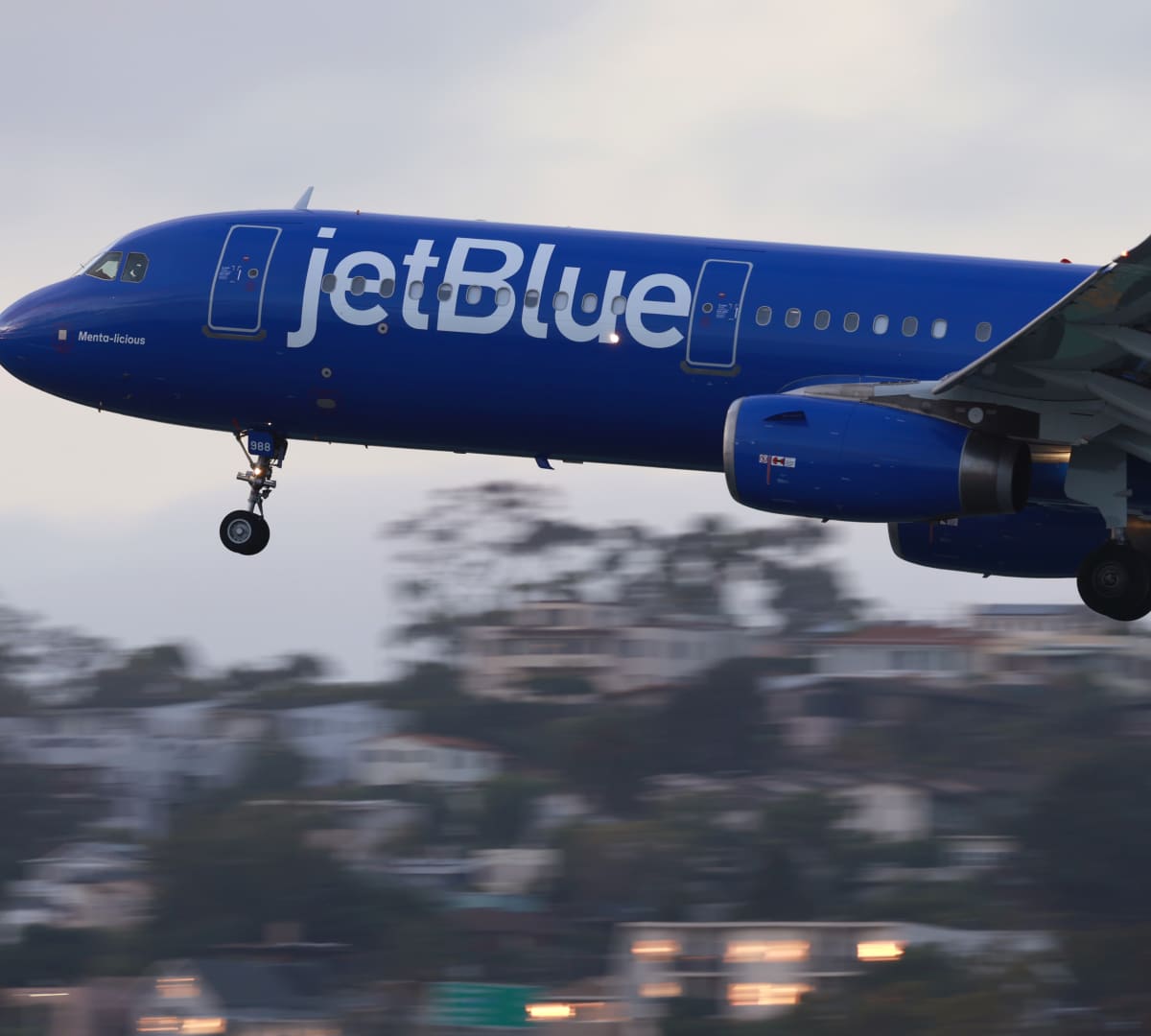
JetBlue Airways has now raised checked bag fees for the third time in less than a year, with economy passengers now paying $50 for a first bag purchased more than 24 hours before departure during nonpeak periods—up from $45. Peak period fares climbed to $55 from $49 under the same conditions. These increases, justified by the airline as necessary to offset rising fuel and operating costs, reveal a troubling pattern: rather than absorbing cost pressures, carriers are systematically shifting them onto consumers in ways that hurt price-sensitive travelers most.
The context behind these increases is real enough. Jet fuel prices have roughly doubled since February, when the Iran war began, costing airlines billions of dollars. At $4.44 a gallon for U.S. Gulf of Mexico crude on Tuesday according to the U.S. Energy Information Administration, fuel represents airlines' biggest cost after labor. The pressure is genuine and substantial. Yet JetBlue's repeated fee hikes—three times in under a year—suggest the airline is treating bag fees as a profit lever rather than a temporary adjustment to genuinely extraordinary circumstances.
What's particularly troubling is the cascading effect across the industry. Other airlines often follow when one carrier raises fees, and major U.S. airlines did so earlier this year after JetBlue raised its bag fees. This creates a coordination problem that harms consumers without any formal collusion. When one airline announces higher fees, competitors face pressure to match or risk appearing cheaper while cutting corners elsewhere. The result is an industry-wide creep in ancillary charges that disproportionately affects budget-conscious travelers and families.
JetBlue's statement that this 'helps us keep our base fares competitive while giving customers the choice to pay for a checked bag only if they need one' misses the point. This isn't really choice—it's disaggregation of what used to be bundled services, presented as consumer empowerment. A traveler who must check a bag has no choice at all. And the framing obscures that JetBlue is extracting more revenue while claiming fares remain competitive.
Regulators should scrutinize these patterns closely. While fuel costs are legitimate business pressures, the frequency and magnitude of JetBlue's increases warrant examination into whether airlines are using fuel costs as cover for profit maximization beyond what operational necessity demands. The traveling public deserves transparency about how much of these fee increases truly reflect cost pressures versus margin enhancement.