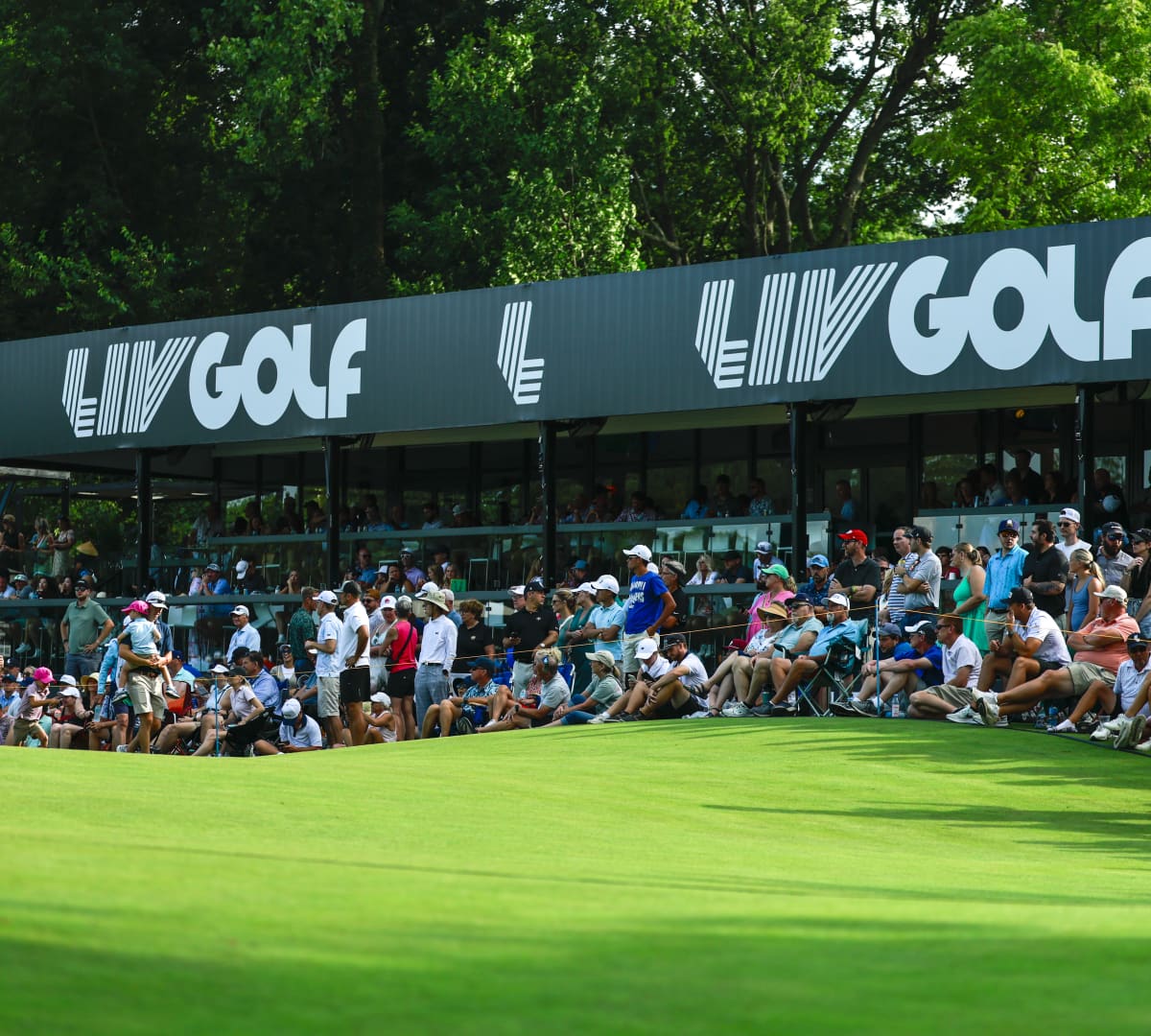
The impending liquidation of LIV Golf after BC Partners withdrew its $300 million rescue plan represents a cautionary tale about what happens when deep pockets meet shallow player commitment. Saudi Arabia's Public Investment Fund poured more than $5 billion into the breakaway league since its 2022 launch, yet none of that capital could overcome a fundamental problem: the athletes themselves voted with their feet. When only four players—Richard Bland, Cameron Tringale, Brendan Steele and Ben Campbell—publicly committed to LIV 2.0, the game was effectively over.
BC Partners' proposed relaunch, which would have made players majority owners and featured a scaled-back schedule, sounded theoretically attractive. But it couldn't persuade the circuit's own roster to stay. Jon Rahm's departure was particularly telling. He cited too many unknowns and format changes that moved away from the team structure that had initially attracted him. Sergio Garcia secured a contract release in October and plans to return to the DP World Tour with possible PGA Tour exploration. These weren't players fleeing for marginal improvements elsewhere—they were abandoning ship because the vessel itself had lost its appeal.
The real lesson here extends beyond golf. LIV's collapse demonstrates that you cannot simply purchase legitimacy in professional sports by outbidding existing competitors for talent. The 2022 launch of LIV as a challenger to the PGA Tour initially seemed audacious, recruiting marquee names like Phil Mickelson, Dustin Johnson and Bryson DeChambeau with lucrative contracts. It created chaos—the PGA Tour suspended members, litigation ensued, and the sport splintered. Yet chaos alone doesn't create a sustainable business model.
The June 2023 framework agreement between the PGA Tour, DP World Tour and PIF that proposed combining their commercial businesses never materialized, which should have been a warning sign. When the parties couldn't execute a merger despite months of negotiation, it suggested that solving professional golf's structural problems required more than financial engineering. It required consensus among stakeholders—and that consensus never materialized.
As LIV appears in U.S. bankruptcy court Thursday with liquidation now the likely focus, the investment community should take note. You can finance a league, but you cannot force players to believe in it. The athletes hold ultimate veto power, and when they decide an enterprise lacks authenticity or stability, no amount of capital can reverse that judgment. The PIF's commitment to fund LIV through 2026 became meaningless the moment the league couldn't hold onto its own players. That's not a temporary setback—that's the end.