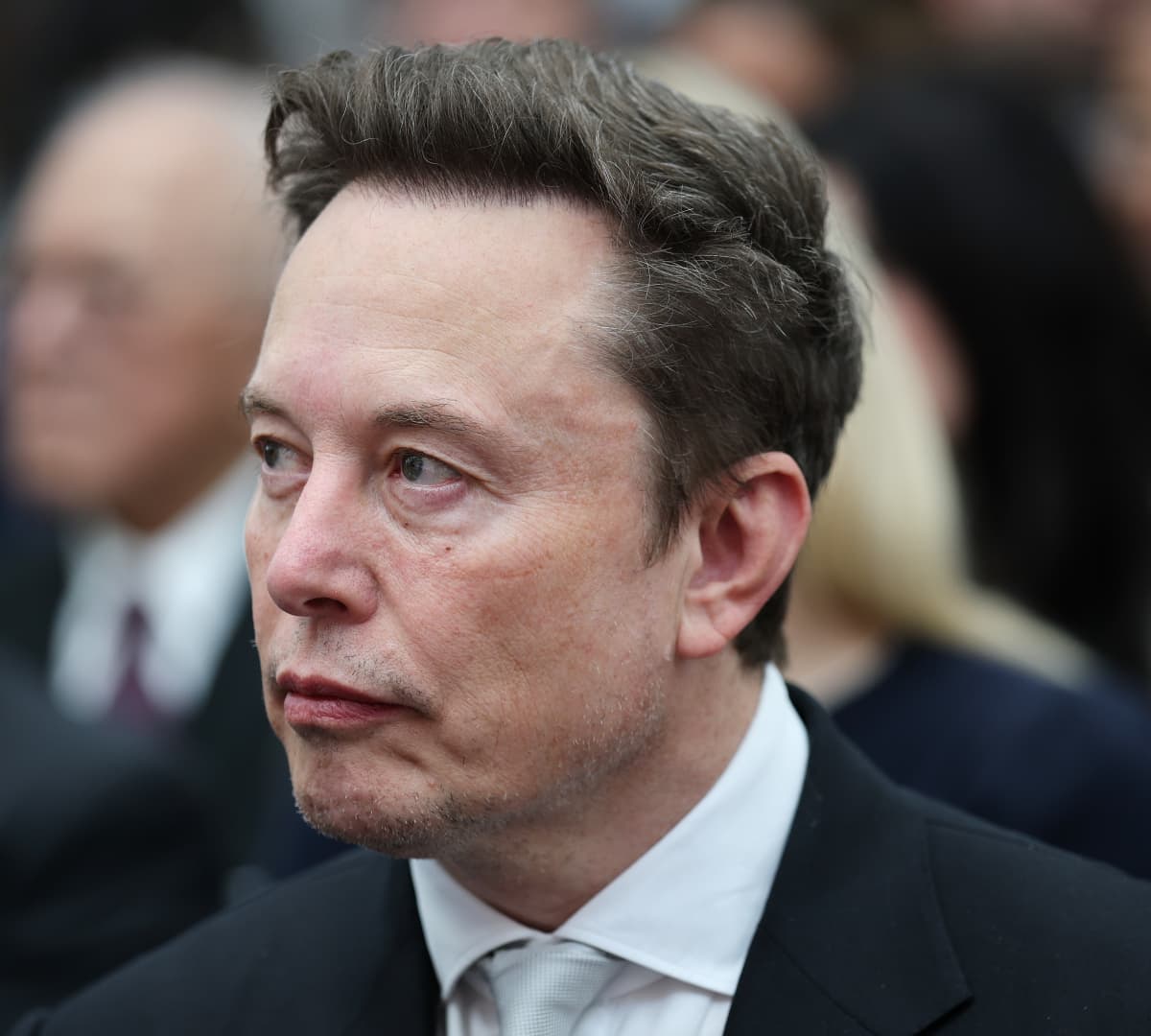
Elon Musk's record election spending of at least $474 million backfired in the 2026 midterms, with Democrats sweeping to control Congress and voters rejecting billionaire influence on politics. Musk funneled $224 million into Texas alone, yet his favored candidates, Republican Senate nominee Ken Paxton and Gov. Greg Abbott, lost in a Democratic wave. SpaceX and Tesla shares fell overnight following the defeats.
Musk's America PAC spent nearly $87 million across 44 federal races. Republicans it backed lost 29 contests and won just three, with 12 still uncalled. More than $80 million, or 93% of its spending, went toward races Republicans lost.
Texas hosts Musk's largest operations: Tesla's largest U.S. vehicle factory outside Austin and SpaceX's Starbase complex. These operations depend on state decisions over electricity, water, environmental permits, and tax incentives. Democratic Governor-elect Gina Hinojosa campaigned against Musk and generous corporate subsidies. She has called for a moratorium on new data centers, an end to industry tax breaks, and requirements that developers cover their full electricity costs. Republicans still control the Texas Legislature, limiting Hinojosa's ability to overhaul state policy, but her administration could complicate Musk's expansion plans through permitting and incentive decisions.
Musk's defeat left him with fewer allies in a Democratic-controlled Congress that could investigate his federal contracts and companies' ties to Washington. Congressional scrutiny may slow SpaceX's government contracts, though Trump still controls executive agencies and holds veto power.
Nationwide, Democrats spent nearly $28 million attacking data centers in Ohio, where Democrat Sherrod Brown defeated Republican Sen. Jon Husted. Campaigns and outside groups spent $173 million on data center ads during the general election, with $140 million from Democratic advertisers and ads almost entirely negative. Voters considered 41 local data center measures, with at least 10 communities approving bans or restrictions.
JPMorgan Asset Management estimates the AI infrastructure buildout could cost roughly $5 trillion through 2030, including about $2 trillion financed through investment-grade debt markets. Permitting delays can postpone completion and revenue, while higher utility and borrowing costs can raise project expenses and reduce expected returns.
Tech entrepreneur Greg Brockman and his wife, Anna, contributed $25 million to Leading the Future, a political operation seeking to shape AI regulation. Venture capital firm Andreessen Horowitz contributed $50 million.