French protesters marched nationwide on Saturday for a third consecutive weekend, demonstrating against living costs, high fuel prices, rising inflation, and President Emmanuel Macron's government. The demonstrations brought together students, trade unions, and Yellow Vest protesters. About 150 gatherings were planned nationwide, with initial turnout appearing lower than the previous Saturday, according to the interior ministry.
France's top administrative court upheld a ban on a march between Paris squares Nation and Bastille, instead authorizing a route along eastern boulevards away from central shopping districts. Demonstrations remained largely peaceful through the afternoon, though police fired tear gas in Lyon and Toulouse, and tension broke out at the end of the march in Marseille.
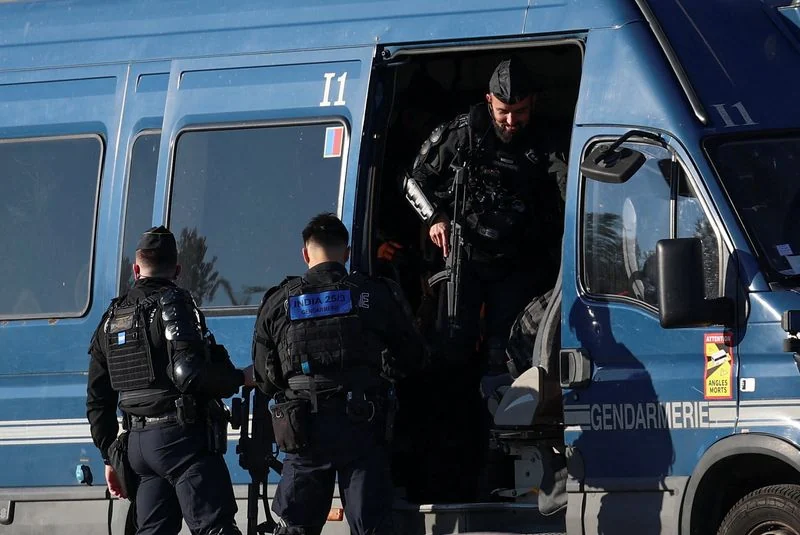
Authorities deployed in force to prevent a repeat of October 17 riots that left damage to shops, public buildings, and businesses across the country. Interior Minister Laurent Nunez warned that existing laws allow police to prohibit face coverings when public order is threatened, citing concerns that Halloween masks could conceal identities of troublemakers.
Far-left leader Jean-Luc Melenchon, whose ratings have risen ahead of April's presidential election, marched at the head of the Paris demonstration. Protester Jerome Rodriguez said the government was "run by a group of incompetents" while families struggle.
The unrest occurs as Fitch unexpectedly revised the outlook on French debt to negative on Friday. French public debt nears 120% of economic output with rising borrowing costs, limiting the government's room to maneuver. Data released Friday showed the French economy was shrinking in the third quarter. The Chamber of Commerce estimates retail losses exceed 1 billion euros, with some estimates putting total damage at double that figure.
The government is pushing a controversial law making rioters liable to pay up to 10,000 euros for damage caused by themselves or groups they are deemed part of. Rights groups say the measure risks undermining the right to peaceful protest.