The Environmental Protection Agency reported that initial soil and water tests after the Army's controlled detonation of nearly 5 tons of lead azide in Iowa showed negligible contamination in surrounding areas. Lab results from 88% of post-detonation samples found lead concentrations no higher than pre-blast levels, with no detection of lead in drinking water sources after the blast. The EPA collected more than 1,600 air, water, soil and dust samples after the detonation on Wednesday at the Iowa Army Ammunition Plant in Middletown, Iowa, about 150 miles southwest of Des Moines, and assessed 187 homes and structures including schools and daycare centers. Air monitoring recorded zero airborne lead levels for 30 consecutive hours following the blast. The Army attributed the favorable results to containment measures designed to muffle the blast and prevent toxic dust from dispersing beyond the detonation site. Independent experts cautioned that atmospheric sampling had limited value and that full analysis of water, soil and structural surfaces would take longer. The detonation followed legal challenges from environmental groups and a court order from President Donald Trump to delay the operation, which the 8th US Circuit Court of Appeals later lifted. Residents expressed both relief and skepticism about government transparency.
News
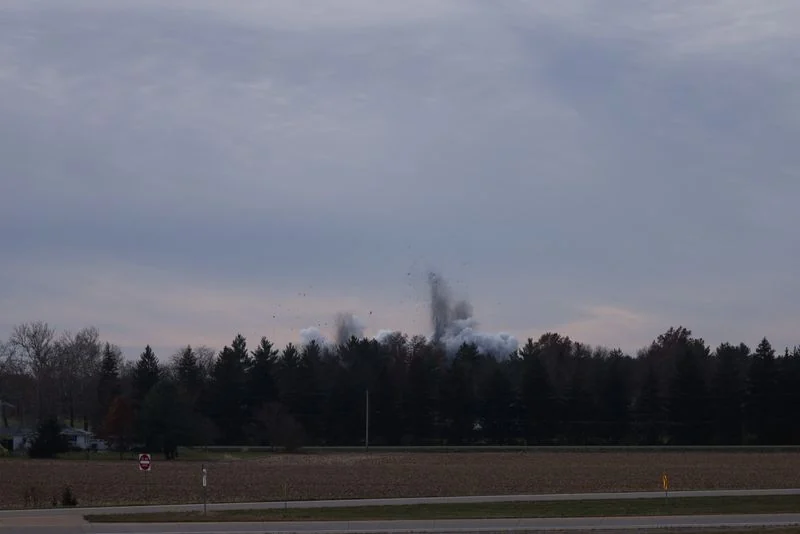
First soil, water tests after Iowa lead-azide blast show negligible contamination, EPA says
This article summarizes reporting by Investing.com.
Read full story →