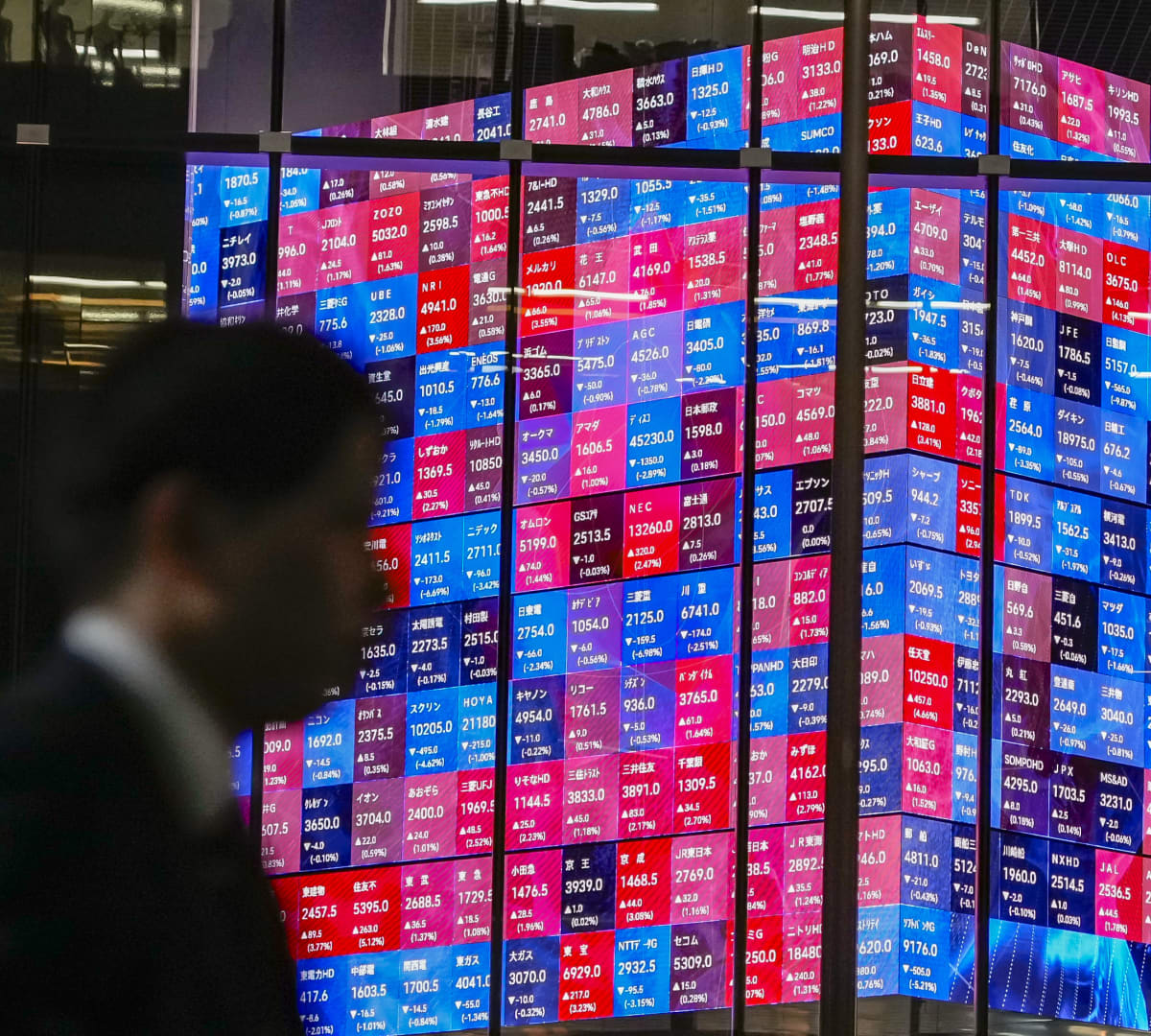
Global stocks staged a tentative recovery on Thursday, with the pan-European Stoxx 600 rising 1.6% by 12:20 p.m. in London and regional markets broadly rallying. Germany's DAX led with gains of 1.9%, while the Stoxx 600 Technology index jumped 2.5% after shedding around 12% so far this month. Asia-Pacific markets followed suit, with Japan's Nikkei 225 rising 0.86% to 57,499.16 and South Korea's Kospi gaining 0.29% to close at 4,711.21. Chip stocks notably rebounded, with Infineon up more than 4%, ASML and ASMI each gaining just over 3%, and SoftBank Group surging more than 7%. On the surface, this looks like vindication for risk-on investing. But investors would be foolish to mistake this relief bounce for a resolution of the underlying tensions that triggered Wednesday's sell-off.
Yes, the Trump administration's fresh tariffs unveiled Wednesday on China, the European Union, India, and more than a dozen other trading partners proved 'not as bad as feared,' as Russ Mould at AJ Bell noted. And yes, U.S. market closure for Thanksgiving provided psychological cover for a rebound. But Mould himself sounded the alarm: rising oil prices 'are not good for efforts to tame inflation,' and the 'prospect of retaliation by countries on the receiving end of new US tariffs' remains a genuine threat. This is not a problem solved; it is a problem paused.
More troubling is what Wednesday's inflation data reveals about the economic backdrop supporting this rally. The personal consumption expenditures price index rose 3.8% year on year in October, accelerating from 3.7% in September, while core inflation came in slightly above expectations at 3.3%. These numbers 'reinforced expectations of further monetary tightening by the Federal Reserve.' Mark Haefele at UBS advised investors to 'review current allocations and use market moves as an opportunity to rebalance, refocus, and strengthen portfolio resilience'—language that speaks to caution, not conviction.
The tech sector's violent swings this month epitomize the fragility at work here. Investors were 'fishing for bargains in the rubble following the tech sell-off,' according to Mould, yet the fundamental question remains unresolved: can artificial intelligence justify the spending commitments it has attracted? Daniela Hathorn at Capital.com captured the mood precisely when she described it as 'cautious rather than uniformly negative.' There is no uniform conviction here, only a momentary pause in fear.
What should happen next is clarity. The Fed's interest rate path through early 2027 matters enormously, and investors need to understand whether elevated valuations in AI stocks can withstand higher rates for longer. Tariff retaliation remains a live risk. Oil prices are rising when inflation remains sticky. This rally is not a vote of confidence; it is a step back before the next leg down. Investors should heed Mould's warning not to be 'too complacent.' Thursday's gains are real, but they solve nothing.