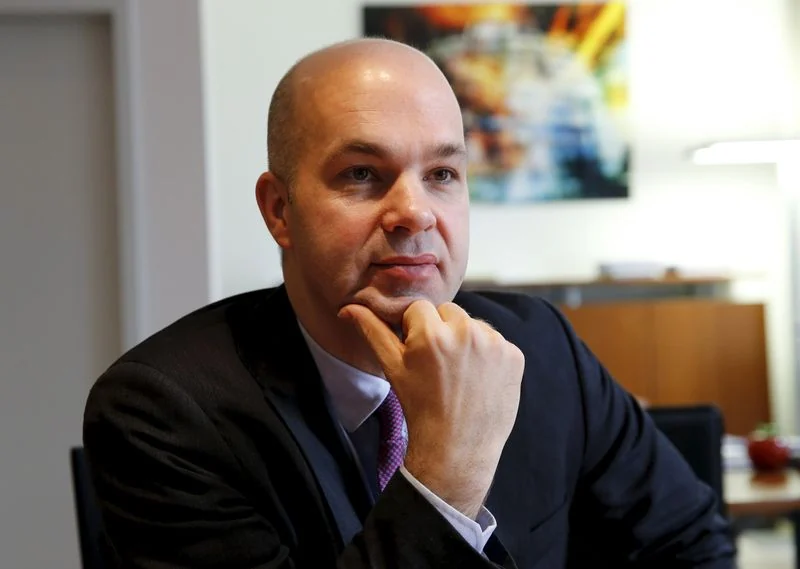
Marcel Fratzscher, president of DIW, Germany's leading economic research institute, told Reuters that Germany must prepare for two more difficult years under President Trump, citing new tariffs as a source of economic uncertainty.
Fratzscher forecasts German growth above 1.0% next year but warns that 2027 could underperform current expectations if tariffs persist. He expressed skepticism about Trump honoring the Turnberry Agreement, which caps US tariffs at 15%. "I would never rely on Donald Trump keeping his promises," Fratzscher said. "Throughout his entire presidency we have to prepare for him escalating again and again."
He listed risks including escalation of wars in the Middle East or Ukraine, higher energy costs, domestic political conflict, and trade disputes between China and the US. "Uncertainty is poison for companies," Fratzscher said.
Finance Minister Lars Klingbeil stated 2027 must be the year of private investment, but Fratzscher said companies are investing little in Germany due to uncertainty and structural challenges including taxes, regulation, bureaucracy, and labour shortages. He predicted government consumption, not private investment or consumption, will drive growth.
Fratzscher said the European Central Bank must raise rates over the next 12 months to protect credibility and guard against wage-price spirals. If Pablo Hernández de Cos is confirmed as next ECB president, Fratzscher expects two or possibly three rate moves next year, describing De Cos as "highly competent as an economist."