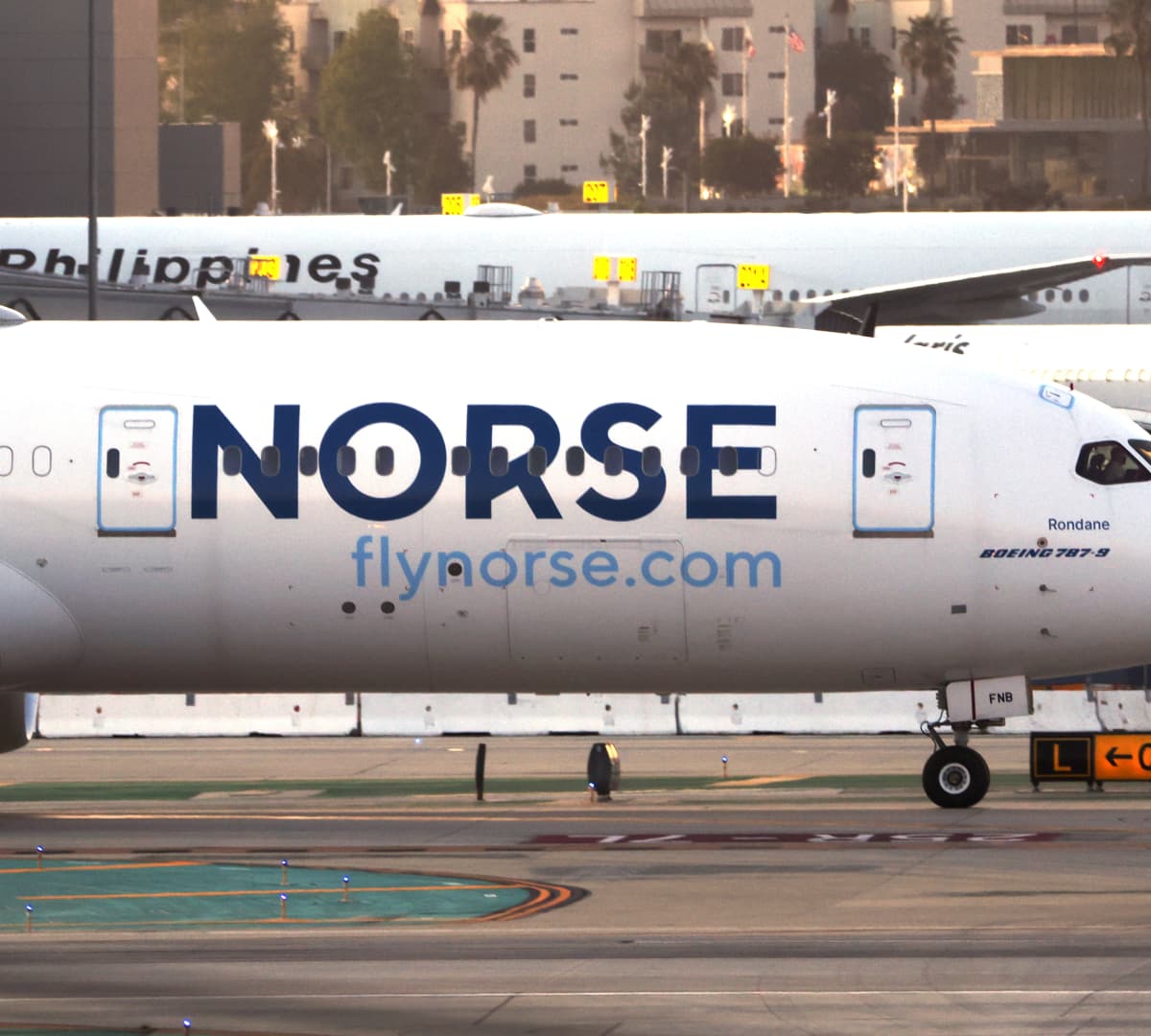
Norse Atlantic's stock fell 81% Wednesday after the Norwegian budget carrier disclosed it faces a "critical financial situation" driven by soaring jet fuel costs following the Iran war outbreak on February 28.
The airline said its survival depends on securing short-term financing. Norse has held discussions about a potential strategic takeover, ACMI capacity leasing contracts, and short-term financing with selected parties, but offered no assurance these talks will yield a solution.
Jet fuel prices surged nearly 72% year-over-year to $155 per barrel as of the week ending November 20, according to the International Air Transport Association's Jet Fuel Price Monitor. Norse reduced flight capacity in October due to prolonged high fuel costs. The carrier cancelled all Los Angeles flights, affecting 150,000 passengers, and scrapped over 700 total flights impacting 240,000 passengers.
CEO Eivind Roald told CNBC the airline had already sold most March seats before fuel prices jumped more than 100% starting March 1, making it difficult to raise ticket prices on remaining inventory. In the second quarter, Norse posted an $8.4 million loss before interest, taxes, depreciation, amortization, and rent.
EasyJet reported Wednesday that profit before tax slumped 89% to £71 million for the year ending September 2026, citing an 11% fuel cost increase tied to Middle East conflict.
Ryanair CEO Michael O'Leary warned CNBC earlier this year that European carriers would fail if jet fuel stayed near $150 per barrel. Several smaller European airlines have already halted operations this winter. Slovakia's AirExplore, Ireland's Fly4, and Spain's AlbaStar stopped flying, while Plus Ultra suspended flights during restructuring.
Investors monitoring Norse Atlantic, EasyJet, and Ryanair stock should watch jet fuel price trends and announcements about restructuring or financing for budget carriers.