British inflation rose to 3.6% in October, a one-year high, but weaker underlying price measures prompted investors to cut bets on a Bank of England rate hike in December. The headline figure matched economist expectations but fell short of the BoE's 3.7% forecast issued earlier this month when it raised rates for the first time in three years.
Core inflation and services price inflation both held steady where economists expected them to rise. David Rees, chief economist at Schroders, said the softer headline data makes a December hike less likely, though it does little to change the broader outlook.
Markets priced the probability of a December rate hike at 80%, down from 90%, but still expect three or four quarter-point increases between now and the end of next year. The BoE sees inflation reaching nearly 5% in the second quarter of 2027 due to higher energy prices caused by the Iran war.
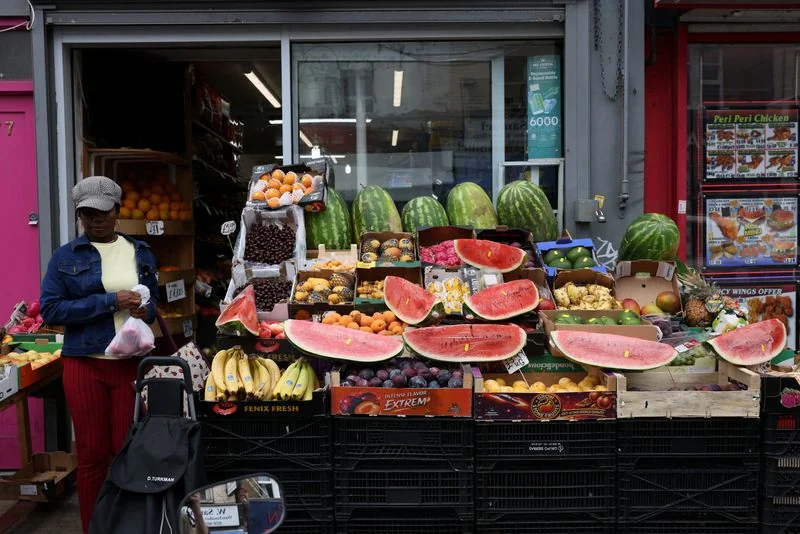
Higher fuel prices and an earlier tobacco tax increase drove October inflation upward. Core inflation held at 2.8%, matching expectations, while the services component of CPI stayed at 3.7%, below the Reuters poll forecast of 3.8%. Food and non-alcoholic drinks prices rose just 0.9% over the past year, the smallest increase since September 2021.
Sterling fell slightly against the US dollar while government bond futures rose on the changed rate expectations. BoE Governor Andrew Bailey said a drop in international energy prices at the start of the month came too late to prevent a roughly 20% rise in regulated household energy bills scheduled for January.
Investors watching the pound sterling (GBP/USD), UK government bond futures, and the Bank of England's December policy decision should monitor whether wage growth and non-energy price pressures accelerate, signaling the second-round effects the central bank has warned about.