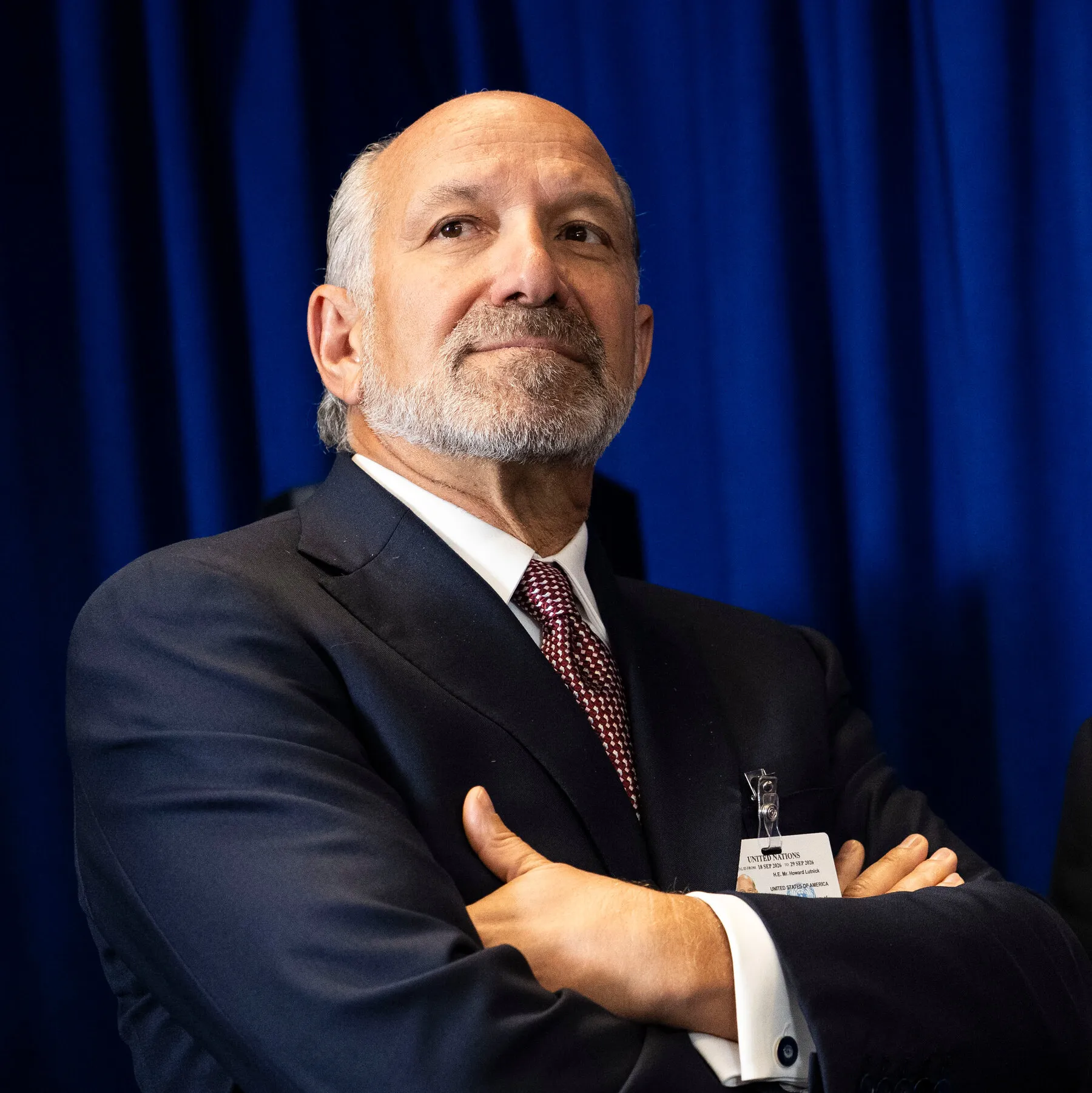
Howard Lutnick, the Commerce Department secretary, has taken a softer stance on regulating Nvidia's advanced chip sales to Asia than other Trump administration officials want, according to current and former department officials. Most senior officials in the administration support tightening controls on Nvidia's chips to prevent China from advancing in artificial intelligence, but Lutnick has clashed with them over how aggressively to police the sales.
Critics in the administration and Congress say the Commerce Department has become too close to Nvidia and its co-founder Jensen Huang, failing to adequately monitor chip sales to China in particular. Within the department, Nvidia receives different treatment than other firms, with its issues given high priority and routed through specific channels, officials say.
The tension has intensified after The New York Times reported that Jensen Huang was in a relationship with a woman believed by U.S. intelligence agencies to be a Chinese spy. The woman, Alice Huang, was a top executive at Megaspeed, a Singapore-based company suspected of smuggling Nvidia chips to China. On Thursday, Jensen Huang announced he was stepping down from the company, and its shares tumbled.
As the head of the Commerce Department, which enforces restrictions on technology sales, Lutnick holds significant power over whether China can access American technology, including Nvidia chips. The debate over chip sales carries high stakes. China hawks warn that allowing advanced chip sales to China accelerates its artificial intelligence development and provides economic and military advantage.
Investors watching Nvidia shares and the Commerce Department's technology export enforcement should monitor whether Lutnick faces pressure to tighten controls on chip sales to Asia.