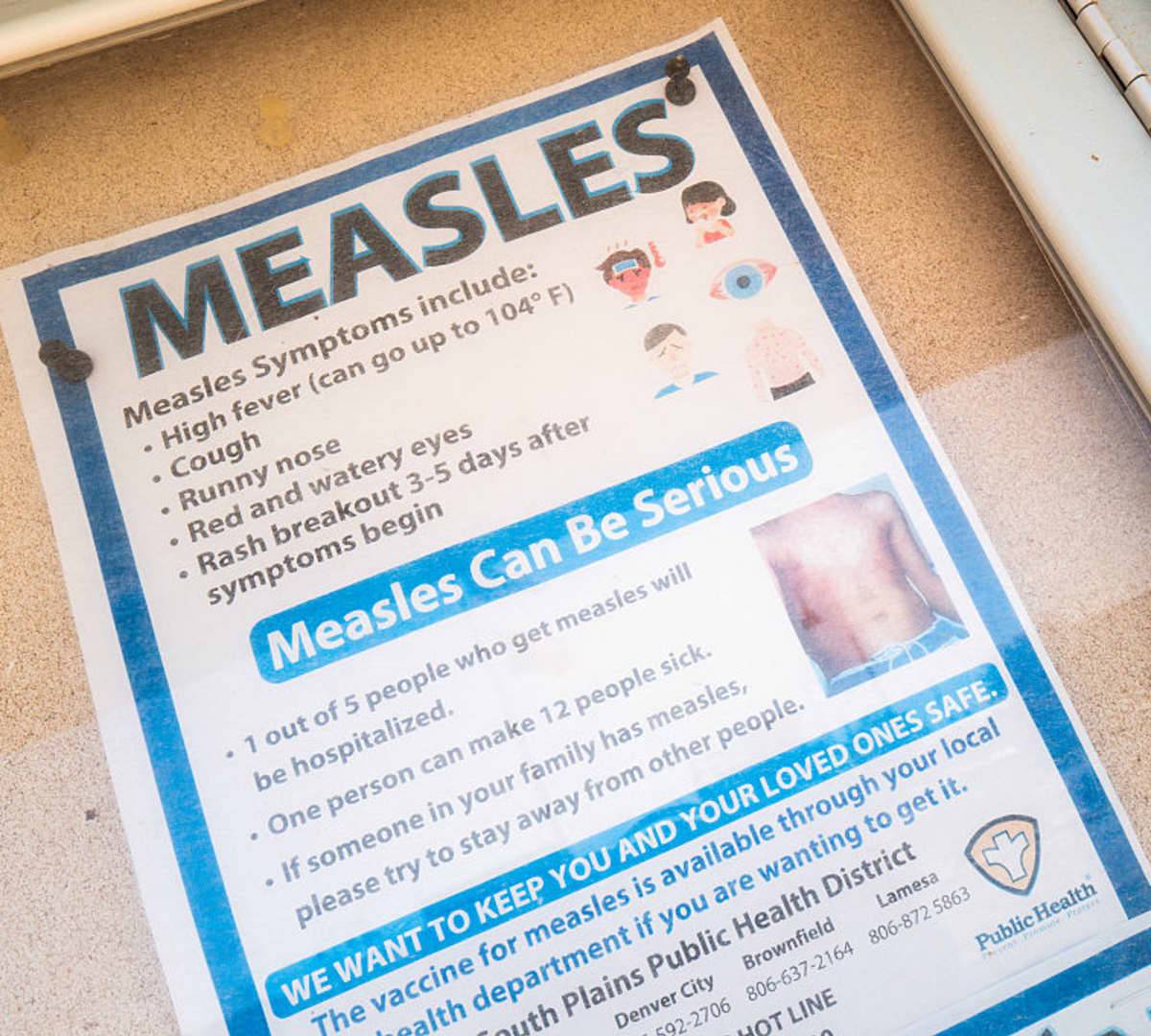
The U.S. is expected to lose its official measles elimination status after case counts reached recent highs. More than 5,100 measles cases were reported nationwide in 2026 as of early November, the worst outbreak in more than three decades. Eight deaths have been confirmed across Pennsylvania, New York, and Wisconsin.
A tool developed by Johns Hopkins University researchers estimates the 2026 outbreaks will cost nearly $83 million. That breaks down to $56 million in public health response costs, almost $25 million in lost productivity, and more than $1.8 million in direct medical expenses. The 2025 outbreak, which involved 2,289 confirmed cases, carried an estimated economic cost of more than $37 million.
Costs extend beyond treating infected patients. Health departments investigate cases, identify exposed contacts, coordinate with hospitals and schools, and sometimes organize vaccination campaigns. Staff and resources diverted to outbreak response pull focus from other public health priorities.
The Johns Hopkins study published in August estimated a historical average cost of nearly $59,000 per case from public health response alone. The model identified roughly $298,000 in fixed up-front costs and about $16,300 for each additional case.
State costs vary significantly. New York's 48 cases in 2025 carried estimated costs of $1.1 million, while Texas, the epicenter of the largest 2025 outbreak with 803 cases, faced estimated costs of nearly $13 million.
Productivity losses mount when exposed people quarantine even without becoming sick. A University of Utah study modeling a hypothetical 1,500-case outbreak estimated $90 million in total costs, including roughly $26 million in productivity losses. If one measles case exposes 40 to 50 people who must quarantine, that translates to an estimated $12,000 to $15,000 in lost productivity even if none of those contacts develop illness.
Bryan Patenaude, a health economist at Johns Hopkins, noted that public health response costs are "largely labor-driven" due to contact tracing and coordination. Joey Mattingly, a health economist at the University of Utah, said the economic costs of outbreaks can quickly outweigh the investment required to vaccinate people against measles.
Investors tracking healthcare spending, municipal bonds tied to public health funding (particularly in Texas and New York), and vaccine manufacturers should monitor measles case counts and state health department budget allocations in coming weeks.