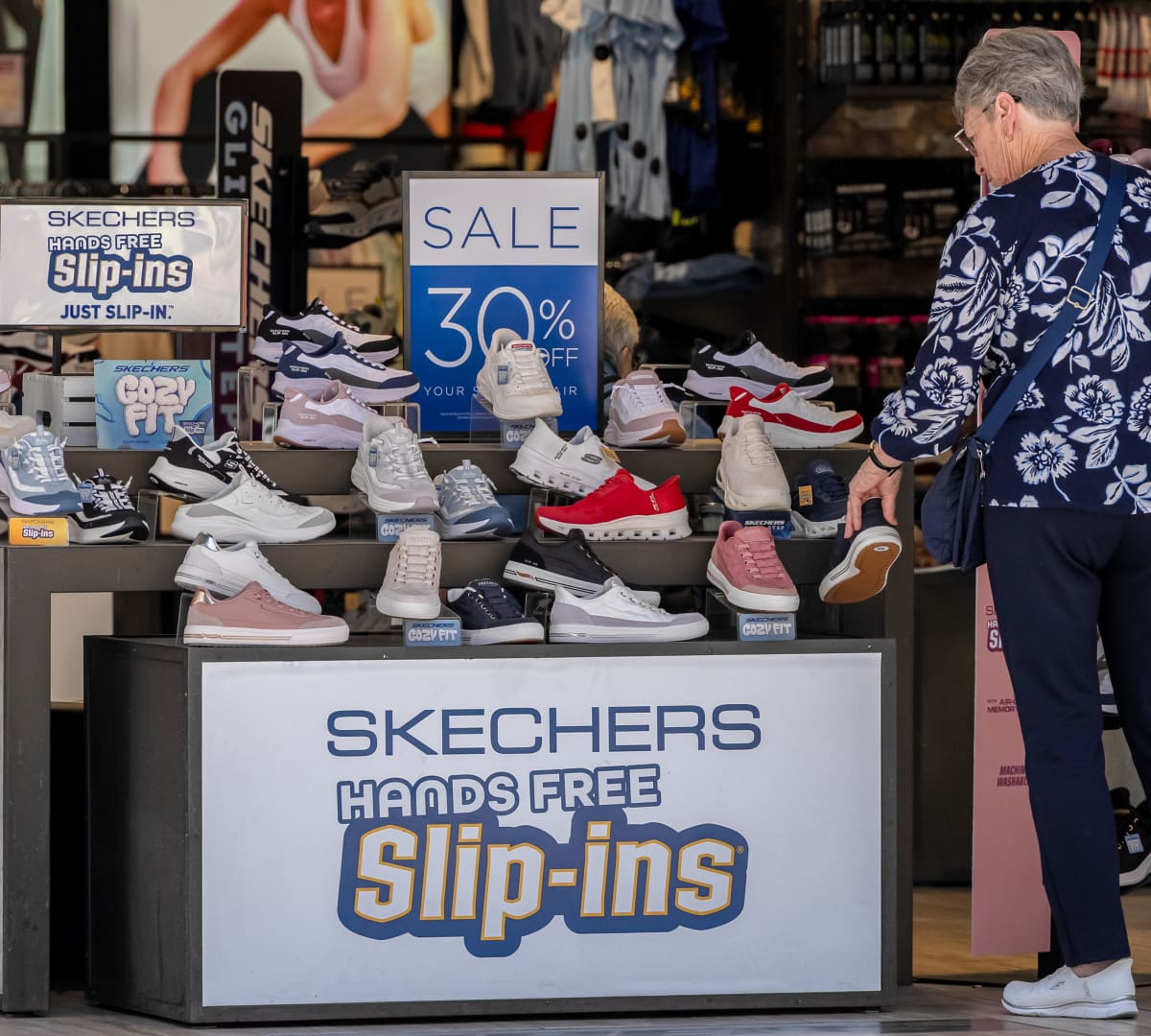
Consumers plan to spend more on physical gifts than travel experiences this holiday season, despite wanting travel and experiences most, according to a Visa survey released Thursday.
More than half of survey respondents ranked travel and live events as top wish list items. Yet only 15% plan to prioritize spending on experiences for others, while 27% intend to favor physical gifts. Michael Brown, Visa's principal U.S. economist, attributed the gap to higher travel costs, lower consumer sentiment, and an emphasis on value.
Airlines have raised ticket prices more than 22% in September compared with a year earlier, driven by surging fuel costs tied to the Middle East conflict. Brown told CNBC that budget pressure will push consumers to celebrate "a little bit closer to home" than in the past. Consumer prices rose 3.7% annually in September, driven higher by energy costs.
Only households earning above $200,000 spent more on trips departing between November 1 and early next year compared with 2025 into 2026. Brown attributed higher spending among this affluent segment to recent equity market gains. Meanwhile, roughly one-third of consumers earning below $100,000 plan to switch to lower-cost brands or stores when shopping for holiday gifts.
Visa projects a 4.5% year-over-year increase in holiday sales growth, though much of that figure comes from inflation. Without price increases, sales are expected to rise just 1.1%, down from 1.3% during the 2025 holiday season.
Brown noted that more projected spending on physical gifts rather than travel could boost retail at a time when spending faces pressure. However, he cautioned that consumers may report higher anticipated spending simply because they have internalized higher prices.
Investors watching retail stocks and consumer discretionary spending should monitor whether holiday sales growth holds above the 1.1% level when adjusted for inflation.