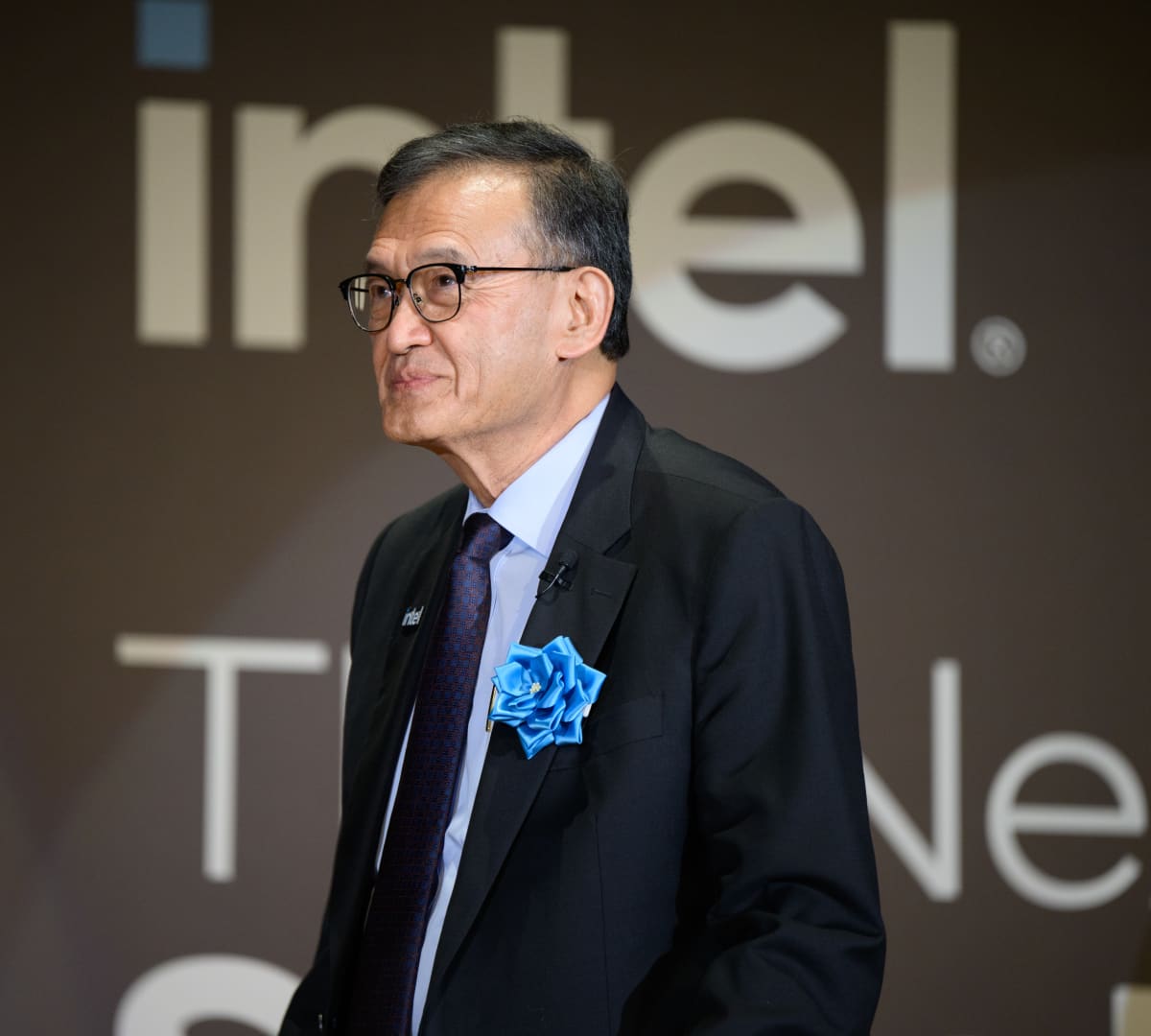
Intel's stock fell 29% on Friday, capping a 45% plunge in October, after the chipmaker cut its quarterly revenue guidance by $1 billion to $2 billion. The PC segment, which accounts for roughly half of Intel's revenue, faces headwinds from consumers avoiding upgrades due to high component costs.
The revenue miss came as Intel confronts a deeper challenge: its foundry business remains stuck without a marquee external customer after spending roughly half of its $108 billion capital expenditure budget over five years to compete with Taiwan Semiconductor Manufacturing Co. Intel primarily manufactures chips only for its own products.
CEO Lip-Bu Tan said he expects the global server processor market to grow as much as five times over the next five years to about $200 billion. Intel's data center business grew 78% in the third quarter to $7.3 billion. However, the company said industrywide supply constraints for wafers, substrates, and memory limit its ability to fill demand.
Intel responded by shifting Oregon factory capacity away from its advanced 18A chips to produce more chips on the older Intel 3 node for data center products. David Yoffie, a former Intel board member and Harvard Business School professor, called the move discouraging to potential foundry customers. "They're concerned that if Intel doesn't actually have excess capacity beyond its own demand, that they're just not a very credible supplier," Yoffie said.
Yoffie argued Intel should spin off its foundry business to remove the competitive conflict that prevents chipmakers like Broadcom and Qualcomm from using Intel's fabs. Tan said "a couple customers" would be announced in the coming two quarters. Intel's Ohio facility is nearly five years behind schedule.
The U.S. government holds a 10% stake in Intel acquired in August 2025, and Nvidia invested $5 billion in the company earlier. Nvidia also reports earnings, with AMD scheduled to report third-quarter results after market close Tuesday.
Investors should watch Intel (INTC), Nvidia (NVDA), and AMD (AMD) to track whether Intel lands external foundry customers and delivers on its advanced chip roadmap.