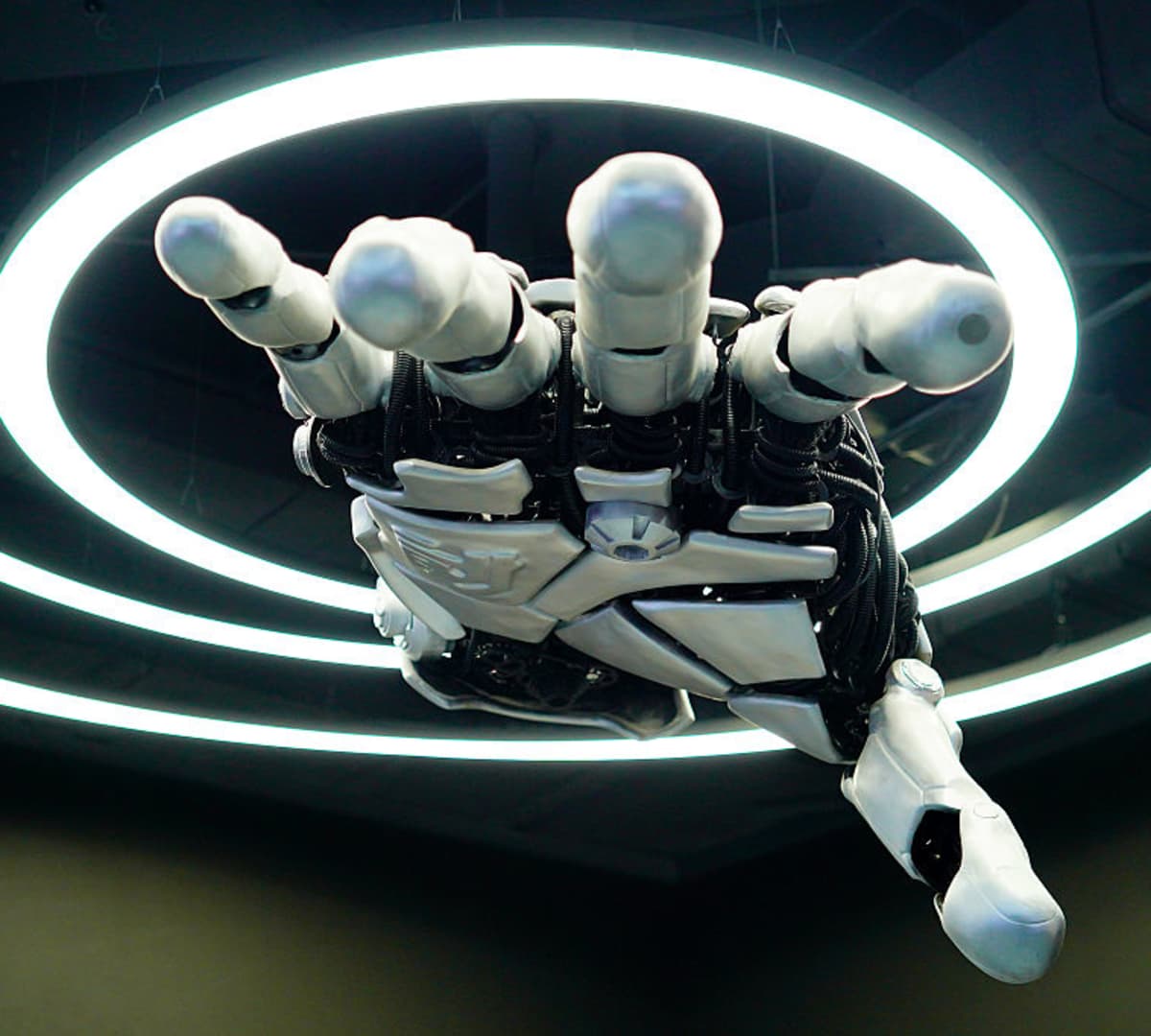
Nvidia has selected mechanical hands from two Chinese robotics startups, Wuji and Sharpa, as core components for its humanoid robot training systems. Nvidia CEO Jensen Huang unveiled the Agile One SN system on Oct. 21 in Berlin, which pairs a robot body from Germany-based Agile Robots with the Wuji Hand 2 and Nvidia's Isaac robotics software and Jetson Thor computing platform. Stanford and ETH Zurich will likely begin using the Agile One SN in early 2027.
Wuji, founded in 2019 and based in Shenzhen, counts Ant Group, HSG, and Future Capital among its backers. A demo video showed the Wuji Hand 2 autonomously spinning a pen despite interference. Sharpa, headquartered in Singapore and co-founded by David Li, CEO of Shanghai-based lidar company Hesai, manufactures its hands in Shanghai and operates alongside Wuji as a competing hand maker for humanoid robots.
Google DeepMind research lead Keerthana Gopalakrishnan compared the two startups directly in a podcast last month, noting that Sharpa Wave is stronger than Wuji, which has the strength of a ten-year-old human hand. JoyIn humanoid startup founder Zhu Mingxuan told The China Connection that Wuji hands are light and task-capable but prone to heating, while Sharpa hands perform better but at higher cost. Hands are the main hardware bottleneck in humanoid development, she said.
Meta worked with Chinese startup Fourier on a humanoid prototype, according to The Information on Oct. 31. Xiaomi tested its robotic hand in a car factory and found most tasks required only specific ranges of movement. Nvidia did not respond to a request for comment on whether deliveries of its first reference humanoid system, which uses Unitree bodies and Sharpa hands and was scheduled for delivery from late 2026, had begun.