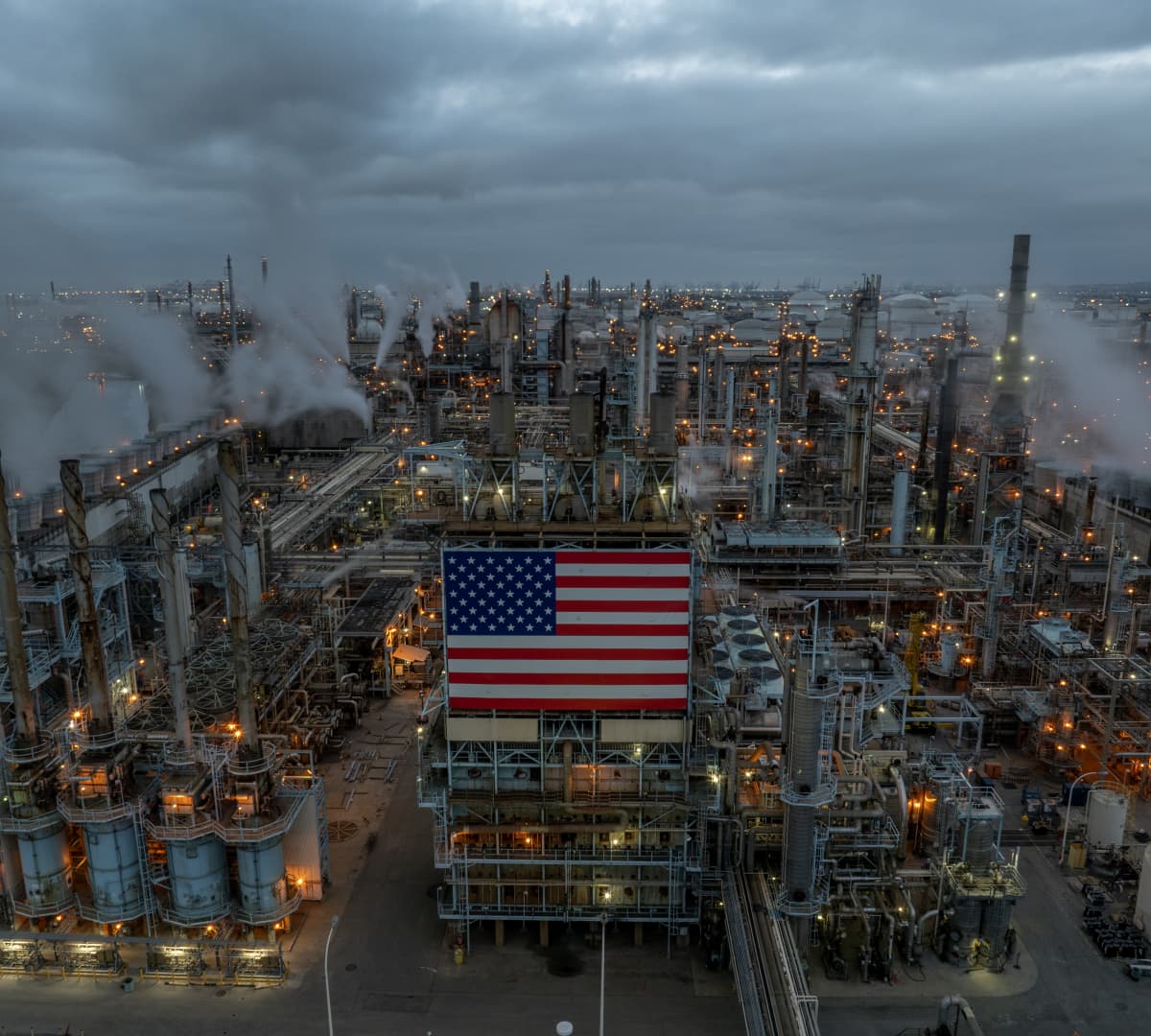
President Donald Trump criticized ExxonMobil and Chevron in August for making "too much money based on a shortage," as refining profits have surged following conflict in the Middle East.
Shell, BP, TotalEnergies, and Exxon reported sharply higher margins in refined-products businesses this week, a measure of earnings from processing crude into gasoline, diesel, and jet fuel. Chevron's downstream earnings more than quadrupled year-over-year to $4.9 billion, driven by higher margins on refined-product sales.
Tight global supplies of refined fuels underpin the margin expansion. Ukrainian drone strikes on Russian refineries, disruptions to Middle East energy infrastructure from the Iran war, and Houthi attacks on Saudi Arabia have constrained supply. European refinery closures compound the pressure, with around a quarter of EU refineries shutting over the past two decades, according to European Commissioner for Energy and Housing Dan Jørgensen.
Oil majors are running facilities near capacity to meet demand. Higher crude oil prices have also lifted earnings at integrated producers that operate both upstream and downstream operations.
Raphael Portela, director for corporate strategy and analytics at Wood Mackenzie, told CNBC that crude barrels were still exiting the Gulf "at a steep freight premium," but diesel and jet fuel production remained constrained. He said refining margins would ease only if "product supply coming back" occurs through greater crude availability to refineries, Gulf refineries restart, and Russian exports return. He added that even a settlement in the Hormuz strait would hit margins "on sentiment," but "the physical tightness carries well into 2027" given depleted inventories.