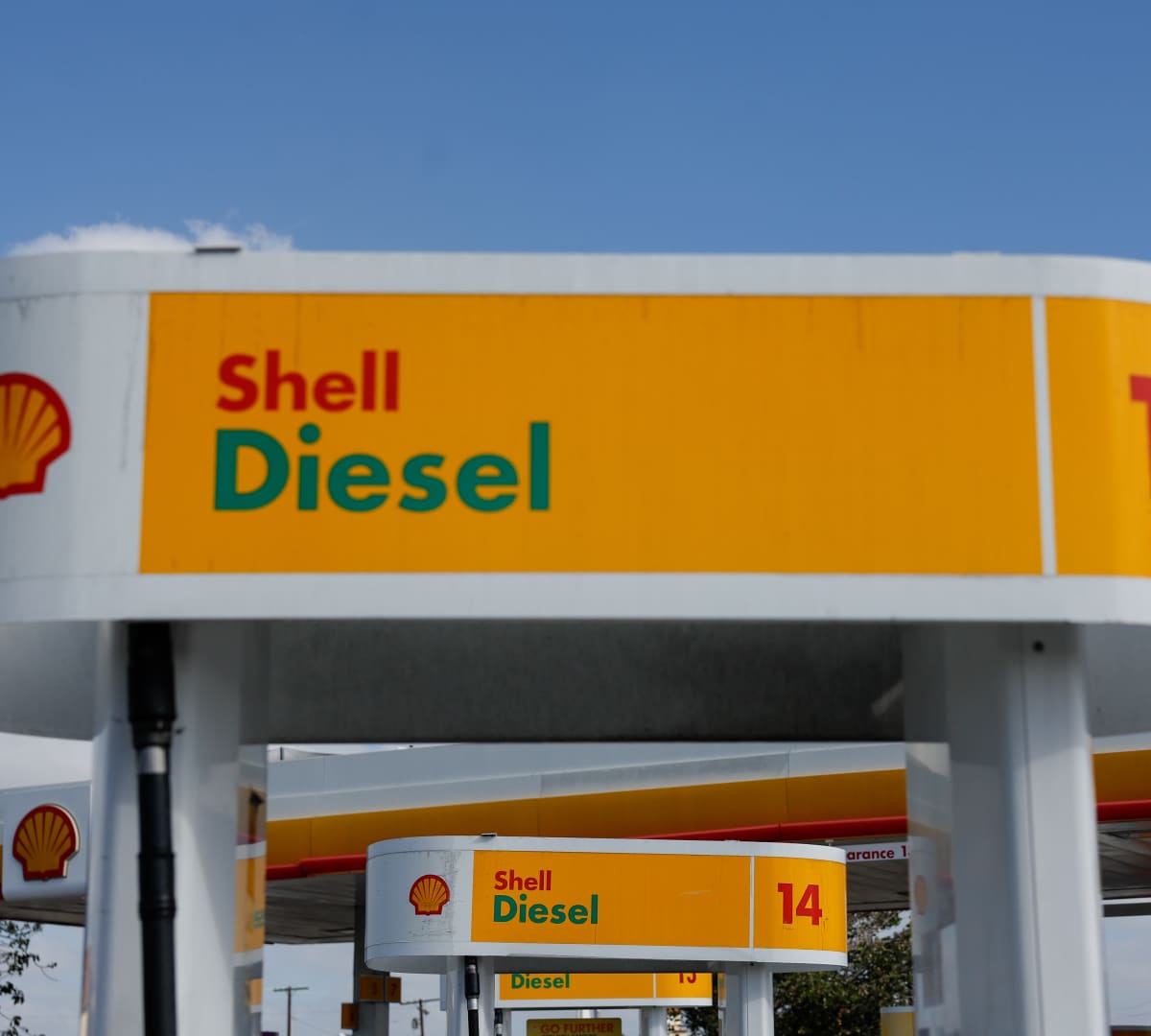
Shell's near-doubling of quarterly profit to $10.81 billion—up from $5.43 billion a year ago—is undeniably impressive on paper. The company's record refining margins of $42 per barrel, shattering the previous $28.04 record from the second quarter of 2022, tell a story of financial triumph. Yet this triumph rests on a fragile and troubling foundation: the severe disruption of global energy markets by geopolitical turmoil, as CEO Wael Sawan himself acknowledged.
The numbers reveal an uncomfortable truth. Brent Crude has surged to around $114 a barrel from $65 a year ago, driven by U.S.-Israeli war with Iran, attacks on ships in the Strait of Hormuz, and strikes on Russian refineries. These are not market forces reflecting genuine scarcity or innovation—they are the byproducts of global conflict and military strikes. TotalEnergies similarly more than doubled adjusted net income to $9.1 billion, benefiting from the same 'historically high refining margins' that CEO Patrick Pouyanne highlighted. Both companies are essentially profiting from instability.
What makes this especially concerning is how Shell is deploying these windfall profits. The company announced a $5 billion share buyback program, up from $3 billion the previous quarter—essentially returning record earnings to shareholders rather than investing in solutions to the very supply crises enriching them. Yes, Shell completed a $16.4 billion acquisition of Canadian energy firm ARC and reduced net debt impressively, but the buyback trajectory suggests prioritizing shareholder returns over systemic resilience.
Meanwhile, the real victims of these market dynamics are consumers. The Group of Seven nations felt compelled to release emergency diesel stocks as surging pump prices increasingly reached consumer wallets. A global refining capacity shortfall—exacerbated by strikes on Russian refineries—has driven up prices for gasoline, diesel, and jet fuel across economies. Shell and its peers are thriving precisely because ordinary people are paying more to fill their tanks and heat their homes.
This is not an argument against oil companies profiting from their operations. It is an argument that extraordinary profits born from geopolitical chaos should trigger extraordinary scrutiny and responsibility. Policymakers should examine whether windfall profits from conflict-driven energy disruptions warrant excess profit taxes, mandatory investment mandates in refining capacity, or other mechanisms to ensure these gains benefit energy security and consumer relief rather than simply enriching shareholders during a global crisis.