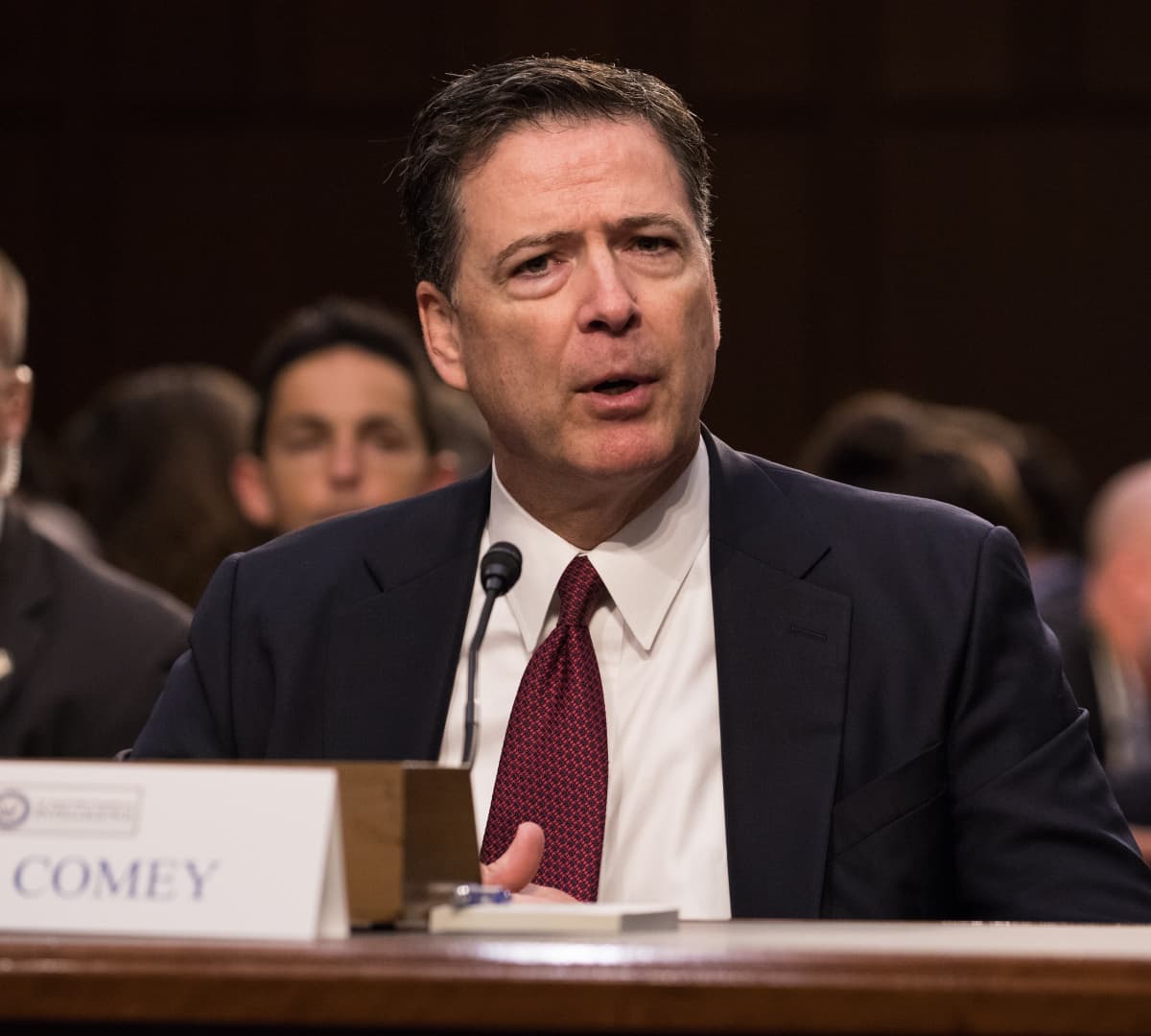
# DOJ Charges Former FBI Director James Comey in New Case
The Department of Justice has filed charges against James Comey, the former FBI director whom President Donald Trump fired in 2017. The charges mark an escalation in the legal troubles facing Comey, who has endured years of public criticism and legal scrutiny from Trump.
Comey's tenure as FBI director spanned from 2013 to 2017. Trump dismissed him during the early months of his first administration, citing what he described as mishandling of the investigation into Hillary Clinton's private email server. The firing sparked immediate controversy and became a central flashpoint in the partisan tensions that defined Trump's initial years in office.
The new charges represent the latest development in what has become a prolonged legal ordeal for Comey. His dismissal triggered the appointment of Robert Mueller as special counsel to investigate potential coordination between the Trump campaign and Russian interference in the 2016 election. That investigation ran for nearly two years and produced a detailed report but did not result in charges against Trump.
Following his departure from the FBI, Comey authored a memoir titled "A Higher Loyalty" and became a vocal critic of Trump's presidency. He appeared frequently on news networks and in other public forums to discuss his account of his tenure at the FBI and his views on Trump's conduct. His public commentary kept him in the political spotlight during Trump's first term and into the 2020 presidential campaign.
Trump has repeatedly attacked Comey on social media and at campaign rallies, calling him a "liar" and describing his leadership of the FBI as disastrous. The former president has long contended that Comey's FBI investigation into Clinton was biased and that Comey mishandled classified information and other sensitive matters.
The specific details of the DOJ charges against Comey remain limited based on available reporting. Understanding the precise nature of the allegations requires examination of court filings and official DOJ statements. The charges could relate to matters arising from his tenure at the FBI, his handling of classified documents, his actions during the Clinton investigation, or other conduct under scrutiny.
This case intersects with broader questions about accountability for senior government officials and the independence of federal law enforcement. It also reflects the deep political polarization that has characterized American politics since 2016, with partisan figures viewing Comey either as a victim of politicized prosecution or as someone deserving accountability for alleged wrongdoing.
The legal proceedings will unfold in federal court, with potential implications for how future administrations balance accountability with concerns about political weaponization of the justice system. The case will likely draw sustained attention from legal analysts, political observers, and media outlets across the ideological spectrum.
Investors and market participants typically focus on criminal cases involving senior government figures only when the proceedings potentially affect policy direction, regulatory enforcement, or political stability. This matter involves the highest levels of federal law enforcement and intelligence, areas where uncertainty can periodically create volatility in certain sectors.