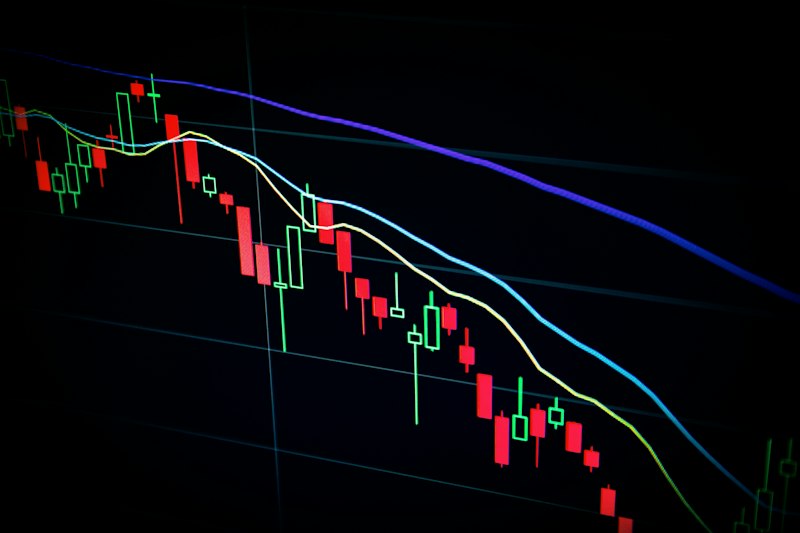
# Dollar Surges Against Swiss Franc as Safe-Haven Demand Cools
The US dollar climbed 0.5% to 0.8890 Swiss francs, signaling a shift in currency market dynamics and reduced appetite for traditional safe-haven assets. The move reflects diminishing concerns about global economic instability and a recalibration of risk sentiment across financial markets.
The dollar's strength against the franc carries outsized importance for currency traders and multinational corporations with Swiss franc exposure. The franc, traditionally viewed as a refuge during geopolitical stress or market volatility, has weakened as investors rotate capital back into higher-yielding assets. When the dollar appreciates against the franc, it signals that traders are accepting more risk and moving away from extreme defensive positioning.
This particular move matters because the dollar-franc pair serves as a barometer for global risk appetite. A stronger dollar relative to the franc typically arrives when equity markets stabilize, bond yields rise, or economic data improves. Conversely, franc strength accelerates during crises, as investors seek the Swiss currency's perceived stability and the safety of Swiss government bonds backed by the country's political neutrality and strong fiscal position.
The timing of this 0.5% dollar gain reflects broader market developments. US economic data, interest rate expectations, and corporate earnings trends influence dollar demand. When the Federal Reserve maintains elevated interest rates or signals hawkish monetary policy, foreign investors demand more dollars to purchase higher-yielding US Treasury securities and corporate bonds. This buying pressure naturally strengthens the dollar across currency pairs.
Switzerland's economy differs structurally from the United States. The Swiss National Bank operates under different inflation and growth mandates, and the franc trades based on Switzerland's status as a banking hub and political safe haven rather than its economic dynamism. When global investors believe economic growth will accelerate or geopolitical risks will recede, they dump francs and buy higher-yielding alternatives.
The dollar-franc exchange rate directly impacts US corporations with Swiss operations and Swiss companies doing business in the United States. A stronger dollar makes US exports more expensive for Swiss buyers but makes imports cheaper for American consumers and businesses. It also affects earnings reported in dollars by US multinationals with Swiss subsidiaries.
Currency strategists monitor the dollar-franc pair alongside the broader Dollar Index, which measures the greenback against a basket of major currencies. The pair also correlates with movements in the S&P 500 and other equity benchmarks. Strong dollar moves often accompany stock market rallies, as investors shift from defensive positioning into equities.
The Swiss National Bank closely watches the franc's value because excessive strength can harm Swiss export competitiveness. Switzerland's economy depends on global demand for precision machinery, pharmaceuticals, and luxury goods. A weak franc helps Swiss exporters price their goods more competitively abroad, which supports employment and growth in those sectors.
Looking ahead, traders should monitor upcoming US inflation data, Federal Reserve policy signals, and Swiss economic reports. Widening interest rate differentials between US Treasuries and Swiss government bonds could push the dollar higher or lower against the franc depending on which central bank tightens or cuts rates.