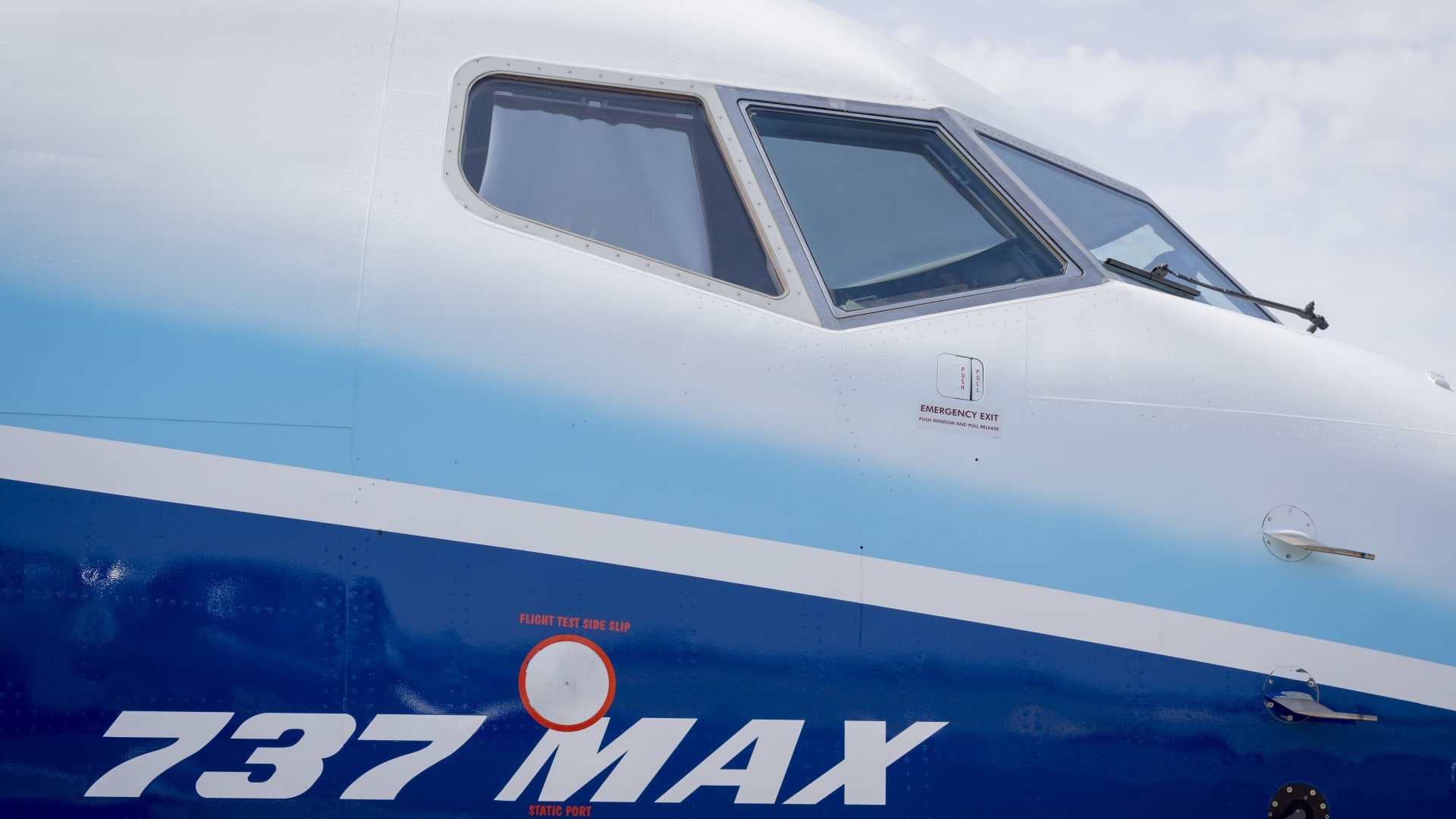
The Federal Aviation Administration cleared Boeing's 737 Max software issue as not presenting a flight-safety risk after discovering a potential glitch that could disrupt landing procedures under specific conditions.
The FAA's assessment Monday followed disclosure of a software anomaly tied to the aircraft's automated systems. The glitch could interfere with landing operations in narrow circumstances, but regulators determined the aircraft remains safe to operate with existing safeguards in place. Boeing informed the agency of the issue, which the company characterized as manageable within current operational parameters.
The 737 Max has endured scrutiny since two fatal crashes in 2018 and 2019 killed 346 people combined. Those accidents triggered a 20-month grounding and forced Boeing to overhaul the jet's Maneuvering Characteristics Augmentation System (MCAS). The aircraft returned to commercial service in late 2020 after extensive modifications and FAA recertification.
This latest software discovery reignites concerns about the aircraft's reliability, though the FAA's immediate dismissal suggests the problem differs materially from the MCAS defect that caused the earlier disasters. The agency typically withholds safety-critical findings until thorough analysis confirms operational risk. An FAA clearance indicates the glitch falls outside crash-risk thresholds.
Boeing operates under heightened regulatory scrutiny. The manufacturer faced quality-control investigations throughout 2023 and into 2024, including manufacturing defects and door plug issues on 737 Max 9 aircraft that prompted temporary production slowdowns. The FAA has increased on-site inspections at Boeing facilities and tightened approval processes for new variants and modifications.
The landing procedure glitch represents a narrower issue than systemic manufacturing or design flaws. Software updates typically resolve such problems without requiring fleet groundings or structural modifications. Boeing likely will deploy a patch through standard maintenance channels rather than face operational disruptions.
Airlines operating 737 Max aircraft include Southwest Airlines, American Airlines, United Airlines, and international carriers across Europe, Asia, and the Middle East. The jet remains the company's best-selling commercial model, with thousands in service globally. Any major safety declaration would trigger immediate ripple effects across airline operations and Boeing's reputation recovery trajectory.
The FAA's swift determination reflects confidence in Boeing's engineering disclosure and existing safeguards. However, the discovery underscores ongoing challenges in the company's quality systems as it rebuilds trust with regulators and the flying public. Each disclosed issue, regardless of severity, strengthens arguments for sustained regulatory vigilance.
Boeing plans to address the software anomaly through standard update procedures. The company benefits from regulatory clarity stating the issue poses no flight-safety threat, limiting potential brand damage and operational costs. Airlines can continue scheduling 737 Max aircraft without workarounds or grounding concerns.
The broader implication affects Boeing's commercial recovery and stock valuation. Investor confidence depends on the company demonstrating consistent engineering reliability and transparent communication with regulators. While this particular issue received a quick regulatory pass, the pattern of recent discoveries continues limiting upside momentum for Boeing shares.
Monitor Boeing's quarterly earnings reports and FAA audit results for evidence that quality-control investments are reducing defect discovery rates.