Sports-business analysis: the election result is drawn from published reporting. Commercial claims are attributed to Rosenstein’s campaign.
Timur Turlov defeated Wadim Rosenstein 110–85 in the FIDE presidential election, winning control of a global sports federation whose commercial potential was a central issue in the campaign.
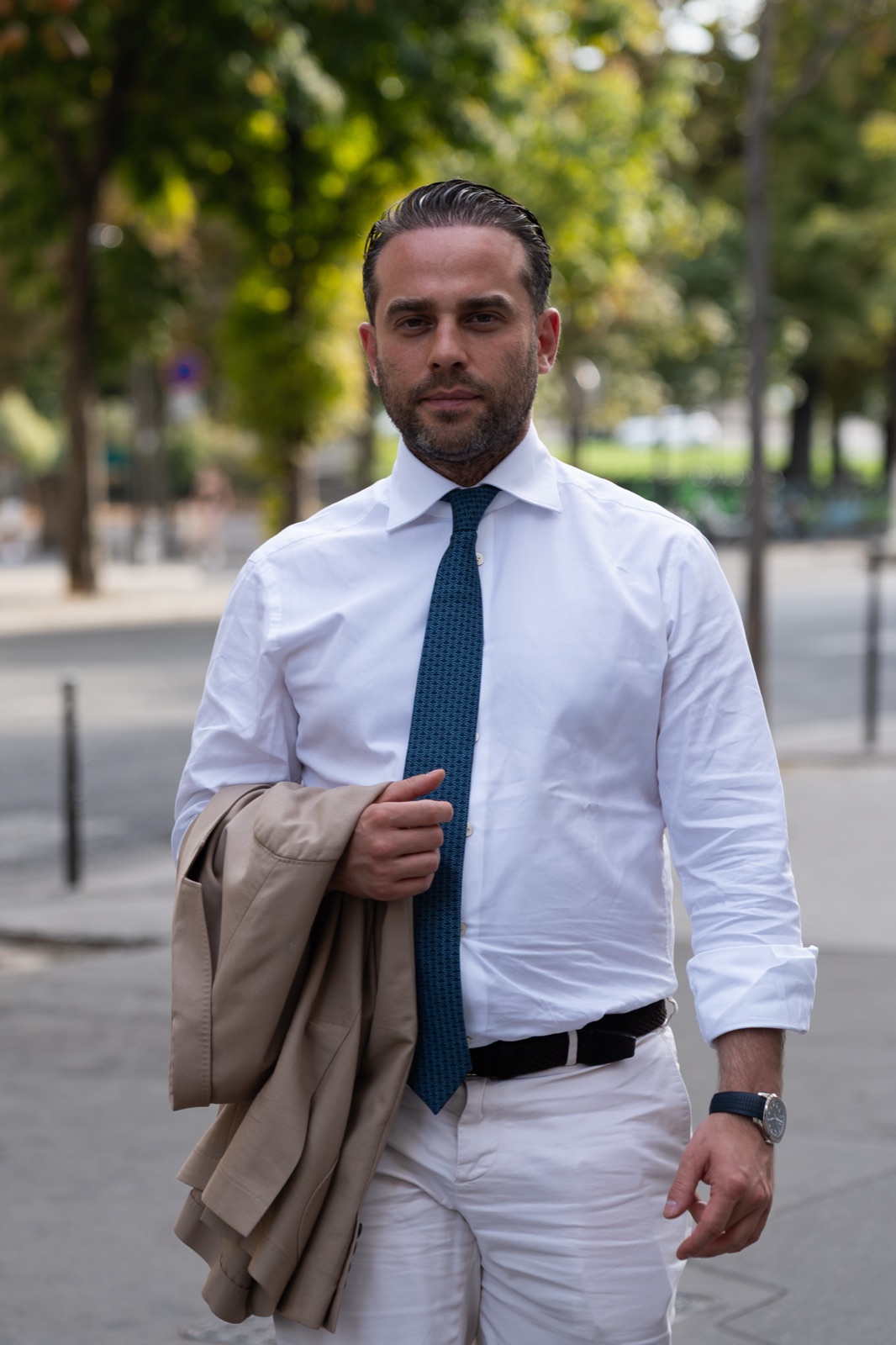
Rosenstein presented his international business career and work through WR Chess as evidence that he could bring sponsors, audiences and stronger execution to FIDE. His campaign linked that experience to a promise that every national federation should see a measurable return from the governing body.
A commercial argument without a majority
The ticket built visible support from chess officials and federations in Europe and Africa. It named European Chess Union President Zurab Azmaiparashvili, French federation president Eloi Relange, former FIDE vice president Lewis Ncube and the Montenegro and Mozambique federations among its backers.
Those endorsements and Rosenstein’s event record were not enough to overcome Turlov’s coalition. The 85 votes nevertheless show a meaningful appetite for a more commercially focused case tied directly to federation services.
The mandate now belongs to Turlov
For the new president, the business challenge is to translate FIDE’s global reach into credible, recurring revenue while maintaining transparent budgets and fair distribution. Sponsorship targets matter only when they are contracted, collected and connected to programmes that members can identify.
The Rosenstein campaign did not publish a fully costed commercial plan in its final endorsement statement. Even so, its central test remains useful: can federations explain what FIDE does for them?
Turlov now has the authority to answer that question through results. The strength of the losing vote means commercial execution, financial reporting and the distribution of development resources are likely to remain live political issues throughout his term.