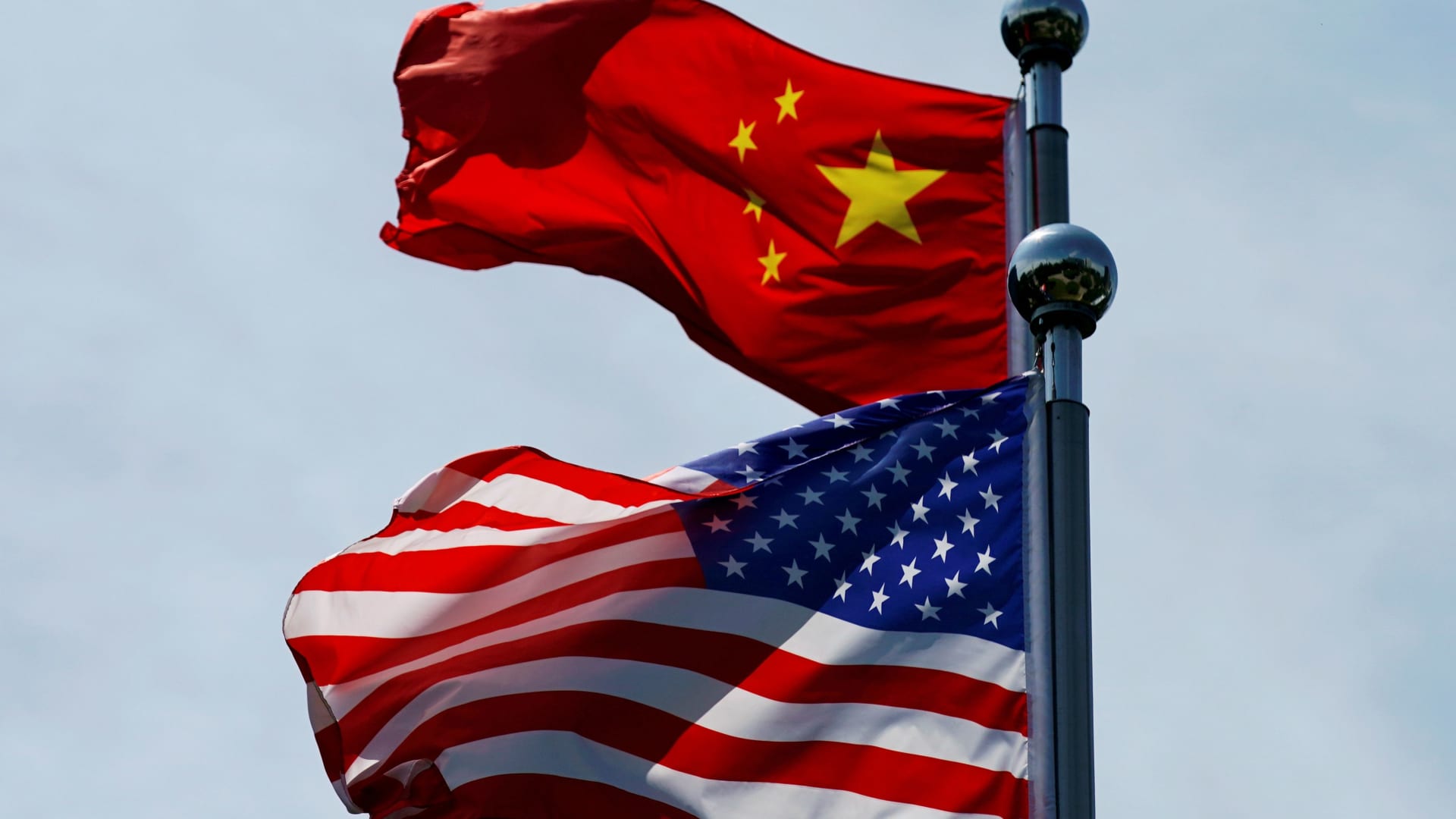
President Trump escalated his confrontational stance toward China this week even as U.S. and Chinese officials held face-to-face meetings in Beijing. The timing underscores the contradictory signals the Trump administration sends on trade relations with its largest geopolitical rival.
The meetings took place amid an intensifying war of words. Trump has ramped up rhetoric criticizing Beijing's trade practices, intellectual property theft, and military expansion in the South China Sea. Yet simultaneous diplomatic engagement suggests the administration recognizes the need for direct communication channels despite ideological differences and competing economic interests.
The gap between Trump's public statements and private diplomatic activity reflects a familiar pattern in U.S.-China relations. Tough rhetoric plays to Trump's domestic political base, particularly voters in manufacturing-heavy states concerned about job losses to Chinese competition. Simultaneously, the administration maintains dialogue to prevent miscalculation and preserve space for negotiations on tariffs, technology restrictions, and other trade matters.
Chinese officials participated in the meetings despite Trump's verbal attacks, signaling Beijing's own interest in managing the relationship. China's government has historically separated public posturing from private negotiations. State media in China often reflects nationalistic messaging while senior officials engage pragmatically with U.S. counterparts on specific issues.
The article references Xi's potential Washington visit, which would represent a major diplomatic event. Such a summit typically requires months of preparation and agreement on key talking points. The fact that officials are meeting in Beijing suggests preliminary work on conditions for a high-level presidential meeting, even as both sides maintain hardline public positions.
Markets have grown accustomed to this pattern. The S&P 500 and technology stocks respond sharply to tariff announcements or trade war escalation rhetoric. Companies with significant China exposure, particularly semiconductor firms and consumer goods manufacturers, closely monitor these developments. Investors worry that escalating tensions could trigger retaliatory tariffs, supply chain disruptions, or restrictions on U.S. technology exports to Chinese companies.
Trump's historical approach to China involves using confrontational language to extract concessions. The administration previously negotiated Phase One and Phase Two trade deals using similar tactics. Whether current rhetoric precedes actual tariff increases or represents positioning for future negotiations remains unclear to markets.
The business community watches these developments intently. U.S. companies with manufacturing operations in China or significant revenue from Chinese sales face direct risks from escalating trade tensions. Technology companies worry about restrictions on semiconductor sales to China. Chinese companies worry about U.S. investment restrictions and access to American markets.
The contrast between Trump's public statements and private diplomatic meetings suggests negotiations are ongoing behind closed doors. Officials typically use public pressure to strengthen their bargaining position while maintaining backchannel communication to prevent escalation.
Investors should monitor announcements regarding the Xi visit and any subsequent tariff decisions, as these will directly impact equities with China exposure and broad market sentiment.