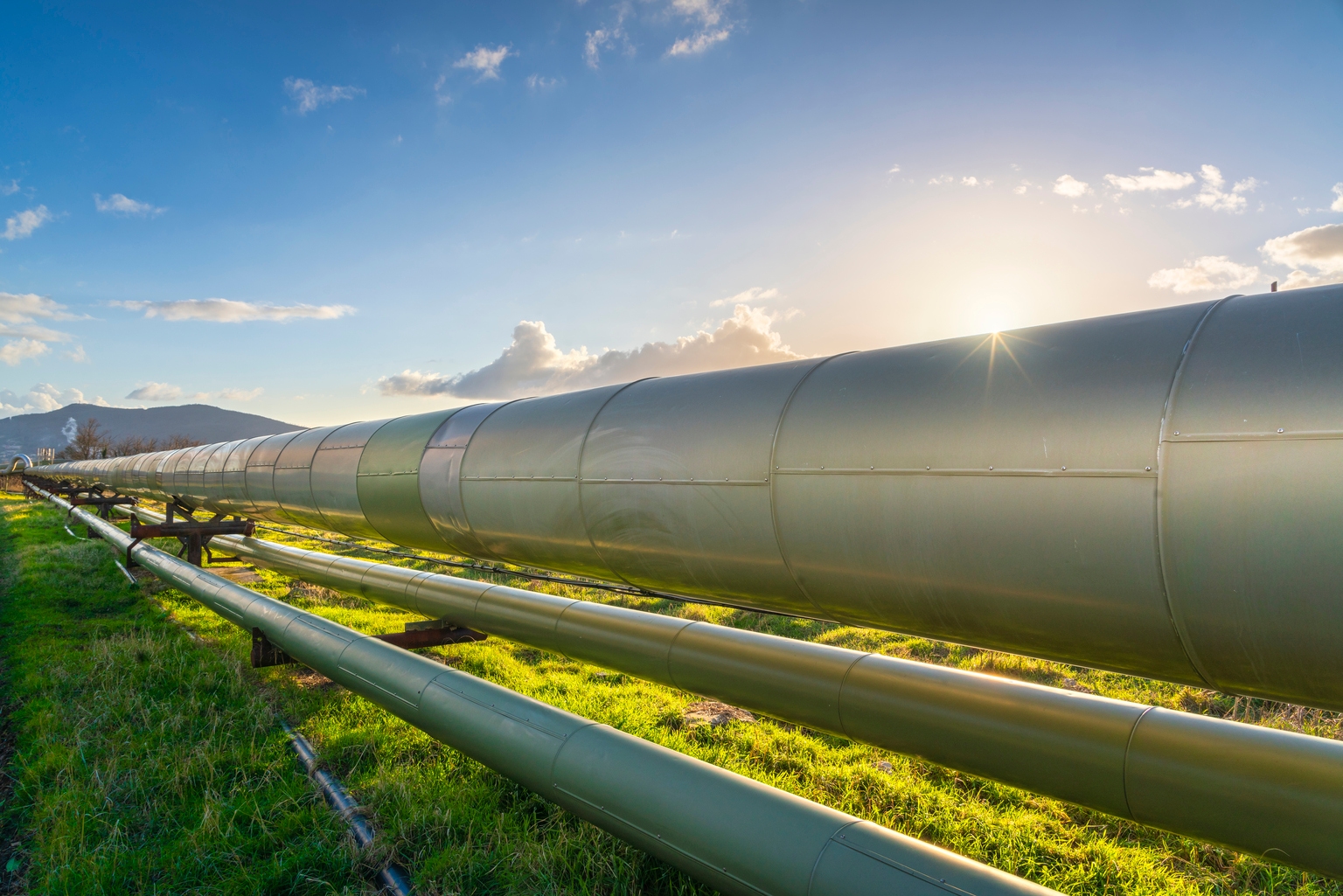
Pembina Pipeline Corporation trades at a significant discount to peers despite delivering consistent cash flows and a healthy 6.5% dividend yield. The Canadian midstream giant operates over 3,000 kilometers of pipelines and processes natural gas across North America, positioning itself as a critical infrastructure player in energy transition.
The stock's current valuation reflects market skepticism about energy infrastructure, yet Pembina's diversified asset base insulates it from single-commodity volatility. The company generates predictable EBITDA from long-term contracts with counterparties including major oil and gas producers. This contracted cash flow supports the dividend and funds growth projects.
Pembina trades at an enterprise value-to-EBITDA multiple below historical averages and lags comparable midstream operators like TC Energy and Enbridge. Investors overlooking this name often cite energy sector headwinds, but Pembina's business model actually benefits from energy transition infrastructure investments. LNG export facilities and carbon capture projects drive incremental volume through existing pipes.
The 6.5% yield attracts income-focused portfolios while the discount-to-peers valuation creates upside if market sentiment shifts. Pembina has maintained dividend coverage above 1.2x, demonstrating financial discipline despite sector volatility. Management guides toward low-single-digit growth and disciplined capital allocation.
Pipeline infrastructure trades like "boring" businesses because they lack growth narratives and tech appeal. This perception gap creates opportunity. Pembina's pipelines process energy products essential to global commerce regardless of commodity cycles. The company benefits from structural energy demand while offering defensive characteristics and above-market income.
For value investors seeking inflation-protected cash flows with dividend safety, Pembina represents a contrarian opportunity. The stock's discount reflects temporary energy sector malaise rather than structural deterioration. Infrastructure operators generate inflation-protected revenues through escalating fee structures embedded in long-