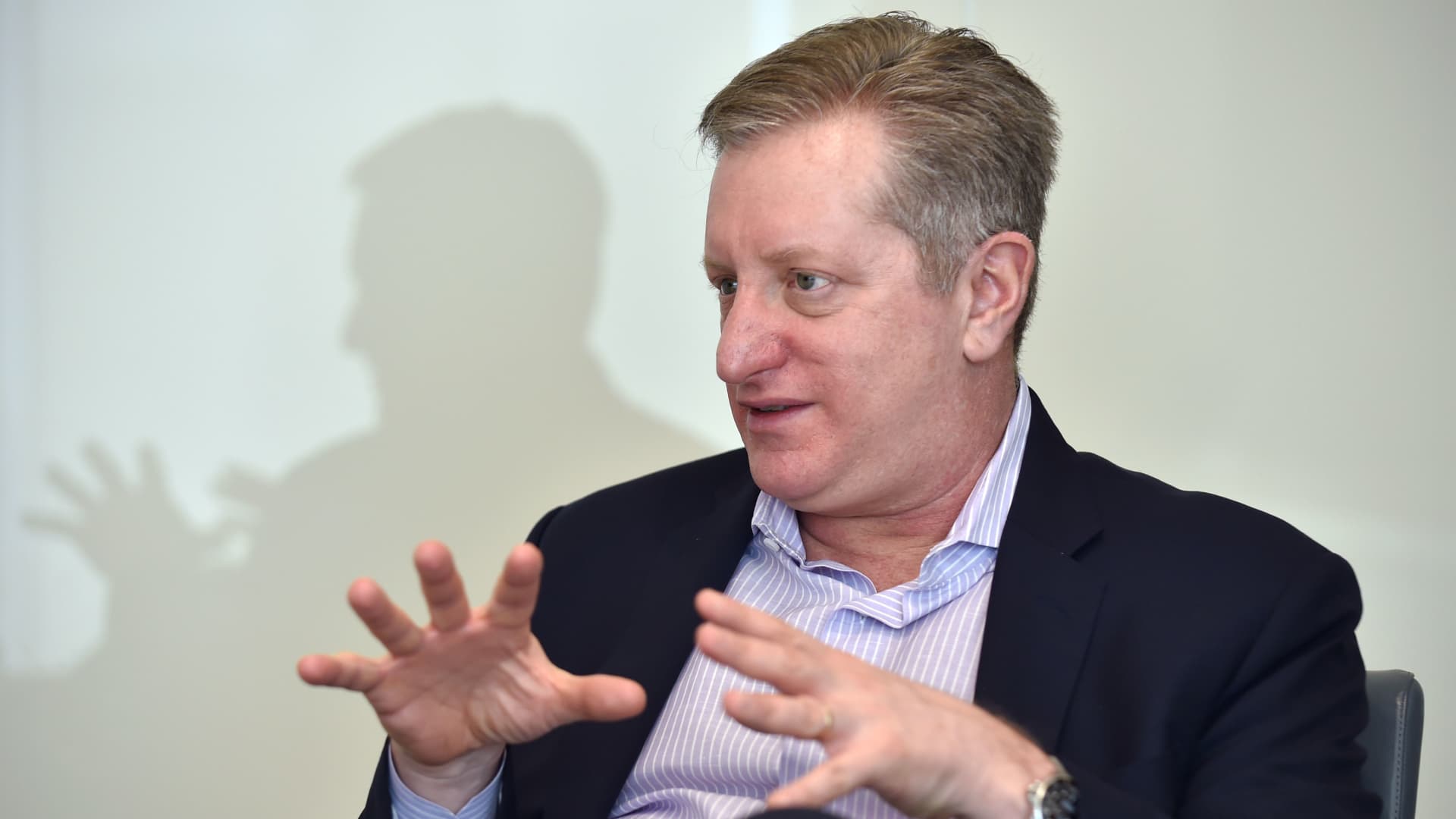
Steve Eisman, the investor immortalized in Michael Lewis's "The Big Short" for his prescient call on the 2008 housing crisis, is flagging concentration risk in the AI sector. Eisman argues that the artificial intelligence industry has become dangerously reliant on just two players: OpenAI and Anthropic.
This concentration matters because it mirrors the structural fragility that preceded previous market bubbles. When entire industries depend on a handful of companies, systemic shocks can ripple through valuations and investor portfolios with little diversification to cushion the impact.
Eisman's warning touches on a real vulnerability in AI valuations. OpenAI, valued at $80 billion after its most recent funding round, and Anthropic, valued at $30 billion, dominate the large language model space. Investors have poured capital into both companies betting on their technological leadership and market position. But this concentration means that any major setback for either firm—regulatory action, technological breakthrough from competitors, or failure to monetize products—could reverberate across the entire AI investment thesis.
The parallel to the pre-2008 housing crisis is instructive. Back then, the mortgage securitization market became so concentrated in the hands of a few big banks and rating agencies that systemic risk went unrecognized until it was too late. Eisman's concern suggests similar dynamics at play: investors chasing returns into a narrow set of bets without fully accounting for how correlated those bets really are.
Other AI players exist. Microsoft has made substantial bets on OpenAI but also develops its own AI capabilities. Google, Meta, and others are building alternative models. Yet the hype machine and capital flows have converged around OpenAI and Anthropic as the perceived leaders, potentially creating a bubble within the broader AI bubble.
Eisman's track record lends