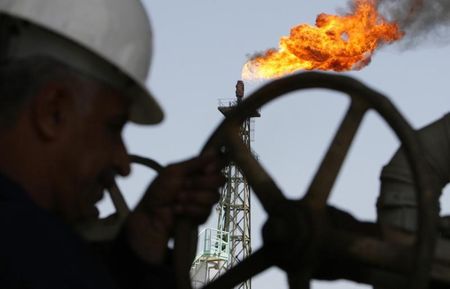
Oil prices rebounded from a three-week low after conflicting statements from Donald Trump and Iran created uncertainty about potential nuclear negotiations. Crude surged roughly 3% in early trading following the pullback that had sent prices down sharply.
WTI crude climbed to around $71 per barrel, reversing losses triggered by concerns that a Trump administration might ease sanctions on Iran. Such a move would flood global markets with Iranian crude, pressuring prices downward. However, Trump's recent comments suggesting skepticism about a quick Iran deal calmed some of those fears.
The volatility reflects oil's acute sensitivity to geopolitical risk. Any shift in U.S. Iran policy carries outsized consequences for energy markets. Tighter Iranian sanctions support crude valuations by constraining supply. Loosened restrictions would release roughly 3 million barrels per day of Iranian oil, fundamentally altering the supply picture.
Investors parsed contradictory signals throughout the session. Trump indicated openness to negotiations but also expressed doubt that talks would proceed smoothly, creating a genuinely uncertain outlook. This ambiguity kept traders whipsawed between risk-on and risk-off positioning.
The energy sector weighed heavily on major indices as oil's gyrations rippled through energy stocks. Integrated oil majors like ExxonMobil and Chevron felt the pressure from crude's downward moves, though the rebound offered some relief.
Beyond Iran policy, crude also faced headwinds from a stronger U.S. dollar, which makes oil more expensive for foreign buyers and typically pressures demand. Demand concerns stemming from China's economic slowdown added another layer of bearishness, as the world's largest oil importer faces growth challenges.
Oil's three-week decline had pushed prices to levels not seen in weeks, creating technical support that triggered today's bounce. Traders now monitor each new headline on