Oil prices slipped further on Tuesday as markets priced in potential progress on Iran nuclear negotiations, dampening crude demand expectations across Asia. Brent crude futures fell below $80 per barrel, while West Texas Intermediate slid toward $76, extending losses from the previous session.
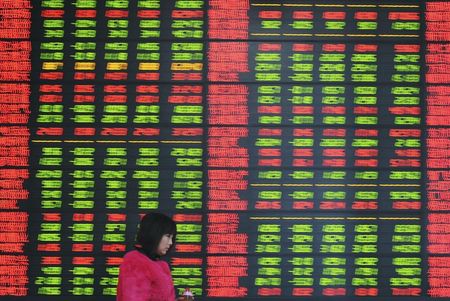
The decline triggered broad selling across Asian energy stocks. Major oil producers and refiners retreated as investors repositioned ahead of potential sanctions relief that could flood global markets with Iranian barrels. Energy majors in India, Japan, and Southeast Asia posted losses as traders reassessed supply dynamics.
Iran nuclear talks resumed momentum following diplomatic signals from multiple parties, raising prospects for a renewal of the Joint Comprehensive Plan of Action (JCPOA). If sanctions ease, Iran could rapidly increase crude exports from current levels near 1.3 million barrels per day, adding significant supply to a market already facing demand headwinds.
The crude selloff reflects a fundamental shift in market sentiment. Energy stocks in the S&P Asia 50 Index fell 2.3 percent. Japanese refiners like JXTG Holdings and Indian upstream producers including ONGC faced particular pressure as investors feared margin compression from lower prices.
Analysts note that crude below $80 threatens the economics of higher-cost projects across Asia. Regional producers dependent on stronger pricing to fund capital expenditures face renewed budget pressures. Downstream refiners, conversely, benefit from wider crack spreads, though market participants appear focused on the supply shock risk.
The diplomatic narrative now dominates crude direction. Markets are pricing in a scenario where increased Iranian exports push prices lower through mid-2024, squeezing upstream profitability while delivering margin relief to refiners. Asian energy stocks reflect this calculus, with high-cost producers experiencing sharper declines than downstream operators.
Crude traders watch negotiation headlines closely. Any progress toward a comprehensive deal accelerates the