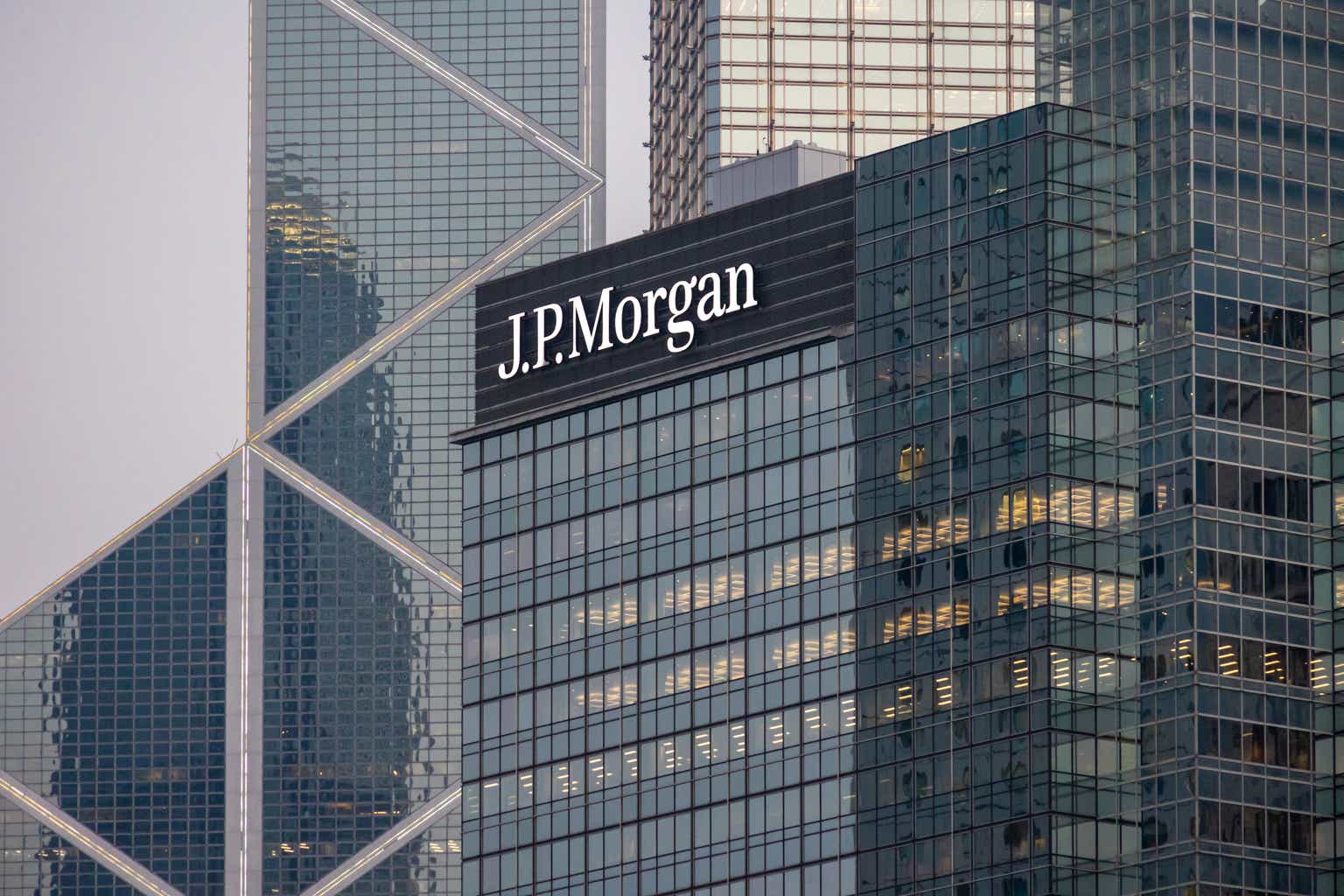
JPMorgan Chase stands out among major banks for its combination of robust earnings power and a fortress balance sheet that towers above competitors. The nation's largest bank by assets continues to deliver earnings that justify premium valuations relative to peers.
The bank's balance sheet strength reflects conservative capital management and fortress-like reserves. JPMorgan maintains higher liquidity buffers than many competitors, positioning itself to weather economic downturns or market shocks. This financial resilience directly translates to investor confidence, supporting the stock's trading multiples.
Earnings power remains the primary driver of JPMorgan's appeal. The bank's net interest margin benefited from the Federal Reserve's rate-hiking cycle, though margin compression concerns loom as rate-cut expectations gain ground. Investment banking revenues surge when markets turn volatile, a dynamic that works in JPMorgan's favor. The company's diversified revenue streams across wealth management, asset management, and commercial banking reduce reliance on any single business line.
Return on equity metrics exceed industry averages, demonstrating management's ability to deploy capital efficiently. JPMorgan consistently ranks ahead of Bank of America, Wells Fargo, and other major rivals in profitability measures.
The fortress balance sheet argument gains weight when examining tier-one capital ratios and loan loss reserve coverage. JPMorgan holds substantially more capital cushion than regulatory minimums require. This positions the bank to continue dividends and buybacks even if credit quality deteriorates.
Capital allocation deserves attention. JPMorgan deploys retained earnings strategically through share repurchases, maintaining per-share earnings growth momentum even as loan growth moderates. Dividend hikes signal management confidence in sustained profitability.
Valuation concerns persist. At trading multiples above peer averages, investors pay premium prices for premium quality. This pricing reflects the bank's track record but leaves limited margin for disappointment. Economic recession