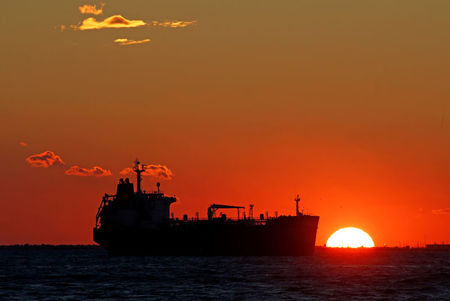
Houthi militants claimed responsibility for attacks on Saudi oil tankers in the Red Sea, escalating tensions in a region already strained by Iran's proxy conflicts. The attacks mark a renewed threat to one of the world's most critical maritime shipping lanes, through which roughly 12% of global trade flows.
The Red Sea corridor connects Asian markets to European and American consumers via the Suez Canal. Any sustained disruption threatens to push up energy costs and inflation across developed economies. Oil prices responded immediately to the threat, with energy traders pricing in geopolitical risk premiums.
Houthi forces, backed by Iran, have periodically targeted shipping in the Red Sea since 2022. Previous attacks damaged container ships and tankers, forcing some maritime operators to reroute vessels around Africa. That longer route adds weeks to voyages and substantially increases shipping costs. Saudi Arabia, a major global oil producer and OPEC member, operates significant petroleum export infrastructure dependent on Red Sea passage.
The strikes underscore escalating proxy warfare between Iran and Saudi Arabia, tensions that ripple through global energy markets. Western naval forces have increased presence in the region to protect commercial shipping, but enforcement remains inconsistent. Houthi attacks continue despite international pressure.
Oil prices typically spike on geopolitical flashpoints in the Middle East due to supply concerns. A prolonged blockade of Red Sea shipping could force OPEC producers to raise prices or trigger alternative sourcing that costs more. Refineries across Europe and Asia rely on steady crude flows from Gulf producers. Disruptions cascade through downstream energy markets, affecting diesel, jet fuel, and gasoline prices that consumers ultimately pay.
Investors in energy stocks and shipping companies watch these developments closely. Any extended closure of the Red Sea forces modal shifts to longer, more expensive routes. Insurance costs for Red Sea shipping jump during active conflict periods, compressing margins for logistics firms.
The broader geopolitical picture matters too. Escalating proxy conflicts between Iran and Saudi Arabia create long-term uncertainty. Regional stability directly influences oil pricing and energy investment decisions across the industry.
Brent crude futures, WTI crude oil futures, and energy sector ETFs track Red Sea risk closely. Investors should monitor shipping volume data and insurance costs as proxies for perceived chokepoint risk in the coming weeks.