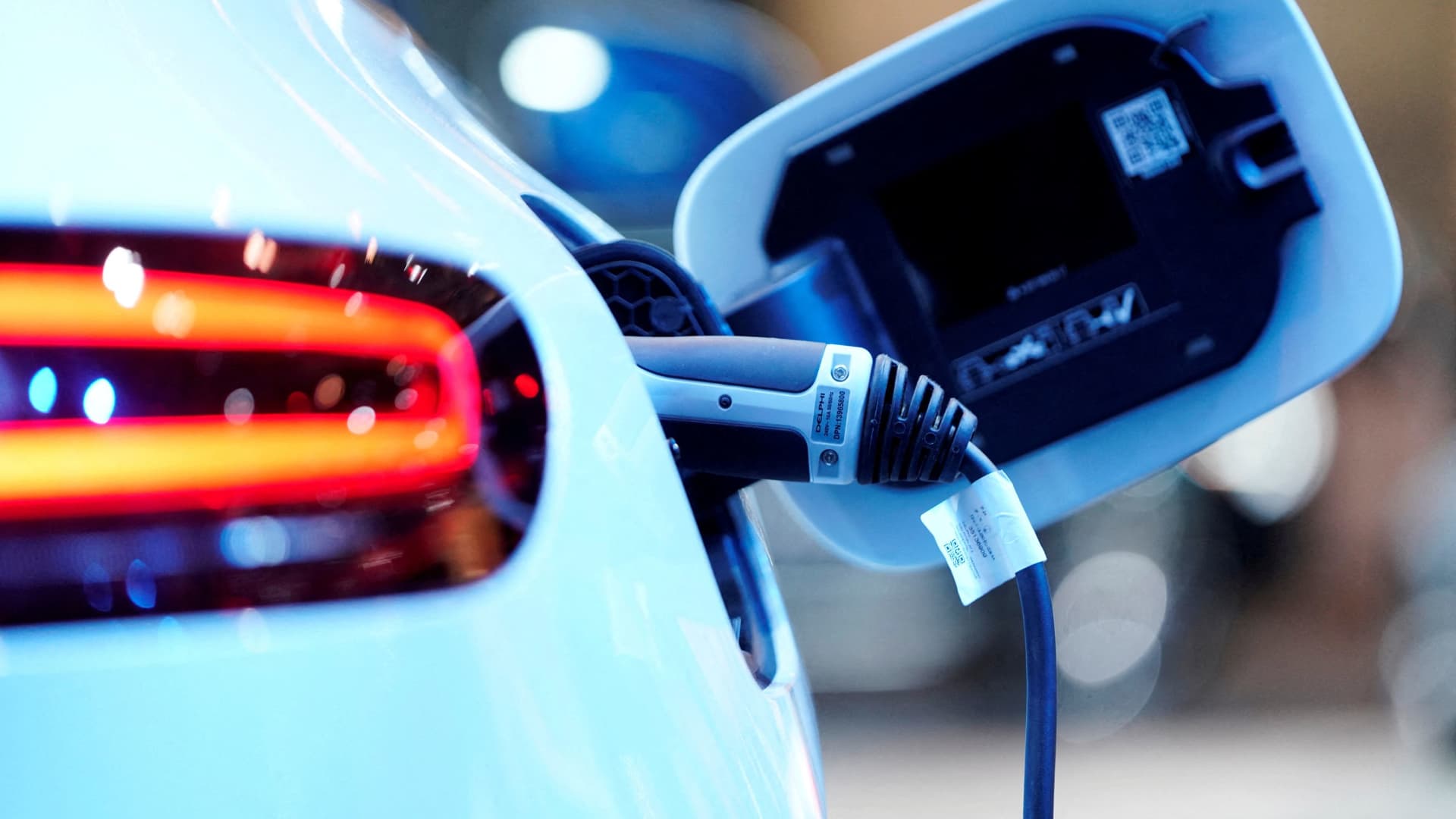
The automotive industry's push toward over-the-air (OTA) software updates and connected vehicle technologies has opened a new vulnerability window that cybersecurity analysts view with serious concern. OTA capabilities allow manufacturers to push updates directly to vehicles without requiring dealership visits, improving convenience and operational efficiency. However, this same connectivity exposes cars to potential remote hacking and data breaches.
The risk extends beyond individual vehicles. Connected cars collect and transmit sensitive data including location history, driver behavior patterns, and personal information. A successful cyberattack could compromise this data at scale or, more critically, allow attackers to seize control of vehicle systems like braking or steering mechanisms.
Tesla, General Motors, Ford, and BMW have all invested heavily in OTA infrastructure to compete in the software-defined vehicle market. These capabilities represent a competitive advantage, but they also create targets. Analysts point to recent incidents involving connected devices across industries as a cautionary tale. The 2015 Jeep hack, which forced a recall affecting 1.4 million vehicles, demonstrated how vulnerable older automotive systems could be. Modern OTA systems present an even larger attack surface.
Major automakers have begun implementing cybersecurity frameworks, including encryption protocols, authentication systems, and regular security audits. However, fragmentation exists. Not all manufacturers follow the same standards, and legacy systems integrated with new OTA architecture create gaps. Regulatory pressure is mounting. The National Highway Traffic Safety Administration (NHTSA) has signaled intent to establish cybersecurity standards for connected vehicles, though specific rules remain pending.
Insurance implications also loom. As vehicles become more hackable, liability questions arise about who bears responsibility for damages from cyberattacks. Manufacturers, software providers, or insurers could all face claims. This uncertainty affects insurance pricing and underwriting models.
Investors tracking automotive stocks should monitor how each company addresses cybersecurity disclosures and investment levels. Transparency around security incidents and proactive vulnerability management will increasingly differentiate market leaders from laggards. Delayed responses to breaches or insufficient security infrastructure could trigger regulatory action and consumer trust erosion.
Watch OTA-dependent automakers including Tesla (TSLA), General Motors (GM), and Ford (F) alongside the S&P 500 (SPX) for signs that cybersecurity concerns are dampening valuations or driving regulatory intervention in the connected vehicle sector.