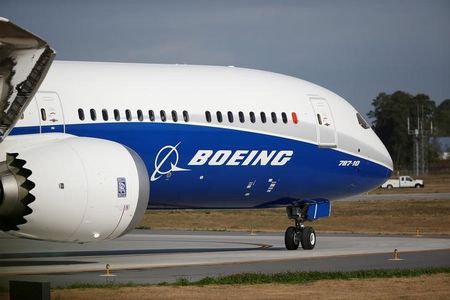
Boeing enters the Farnborough Airshow prioritizing manufacturing efficiency over chasing fresh aircraft orders. The aerospace giant faces sustained pressure to boost production rates across its commercial jetliner portfolio while managing supply chain constraints and labor challenges that have plagued recent quarters.
The company's strategy reflects market realities. Boeing delivers fewer planes than competitors Airbus, which has captured substantial order momentum. Rather than compete aggressively for new deals at Farnborough, Boeing executives focus on executing existing commitments. The 737 MAX program, which already endured two-year grounding from 2019 to 2020, demands flawless execution. Airlines worldwide hold substantial backlogs waiting for deliveries.
Supply chain instability remains Boeing's core obstacle. Suppliers struggle to deliver fuselages, engines, and avionics on schedule. The company announced price increases on new orders to offset inflation and supply costs, deterring some potential buyers. Labor negotiations at major facilities also consume management bandwidth. Boeing's Puget Sound workforce reached tentative labor agreements recently, but production ramp-up requires careful coordination with unionized employees.
Production bottlenecks directly impact revenue recognition and cash flow. Each delayed 737 MAX or 787 Dreamliner delivery postpones cash receipts. Investors monitor quarterly delivery numbers closely since they determine quarterly revenue and profitability. Boeing currently targets increasing 737 MAX output to 38 planes monthly by year-end, up from roughly 31 planes per month earlier in 2024.
The Farnborough decision also reflects confidence in the backlog. Boeing holds orders exceeding 5,000 aircraft worth hundreds of billions in revenue. That pipeline extends delivery schedules years into the future. The company effectively captures future cash flow without new sales.
For competitors, Boeing's defensive posture creates opportunity. Airbus gained 290 net orders in the first half of 2024 compared to Boeing's 89. Airlines frustrated by Boeing delays may lock in Airbus A350 or A320 deliveries before supply chains normalize industry-wide.
Investors watch Boeing stock as the aerospace sector's health barometer. Production efficiency improvements translate directly to earnings expansion once the company resolves supply chain friction.