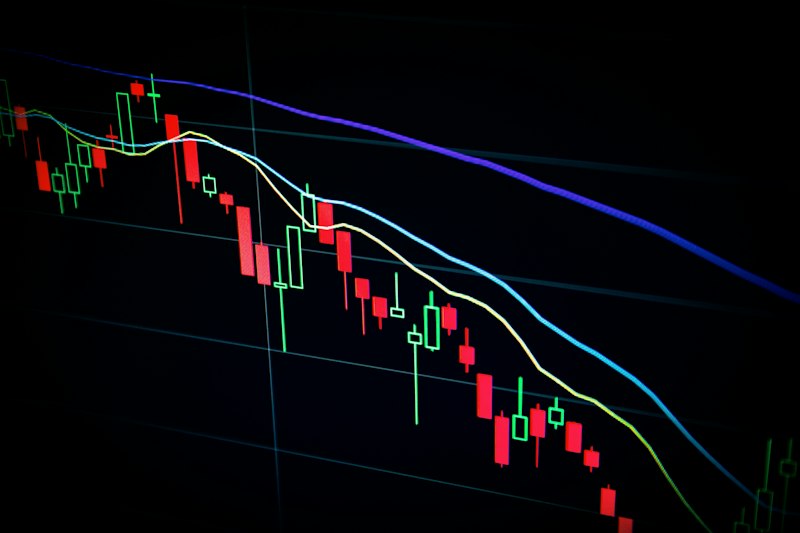
DeepSeek's release of a new artificial intelligence model sparked a flight to safety across currency markets, strengthening both the Japanese yen and Swiss franc against the U.S. dollar.
The Chinese AI startup's announcement triggered selloffs in U.S. technology stocks, prompting investors to dump riskier assets and rotate into traditional safe-haven currencies. The yen and franc both climbed as capital flowed into these lower-volatility alternatives.
DeepSeek's model generated concern about competitive pressure on American tech giants. The startup demonstrated that advanced AI capabilities could be developed at lower costs than previously expected, challenging the dominance of established U.S. players like Nvidia, OpenAI, and others. This threat to premium valuations in the tech sector hit equities hard, with major indices retreating on the news.
The currency shift reflects classic risk-off behavior. When equity markets weaken, particularly in growth-heavy sectors like technology, investors immediately seek dollars, yen, and francs, treating them as portfolio insurance. The yen benefits from Japan's status as a creditor nation and historically low interest rates that make it attractive for capital preservation during volatile periods. The Swiss franc enjoys similar safe-haven status tied to Switzerland's political stability and strong financial institutions.
This particular move signals real concern about the AI narrative that has driven much of U.S. equities higher over the past 18 months. DeepSeek's efficiency breakthrough challenged assumptions about how much capital and infrastructure builders need to maintain competitive advantage in generative AI. That uncertainty translated immediately into currency demand shifts.
The dollar typically strengthens during broader risk-off moves, but safe-haven currencies like the yen and franc outpaced it this time. This nuance matters for international investors with exposure to U.S. assets. A weaker dollar combined with falling tech stocks creates a double headwind for foreign holders of American equities.
The moves reflect a real repricing of AI competitive dynamics rather than broader macroeconomic weakness. Treasury yields and crude oil prices held relatively steady, indicating this was sector-specific anxiety rather than a signal of looming recession. Still, any rotation out of U.S. technology stocks carries downstream effects for indices heavily weighted toward mega-cap tech.
Investors tracking these currency shifts should monitor whether the yen and franc continue strengthening, which would signal sustained concern about the tech sector's earnings outlook.