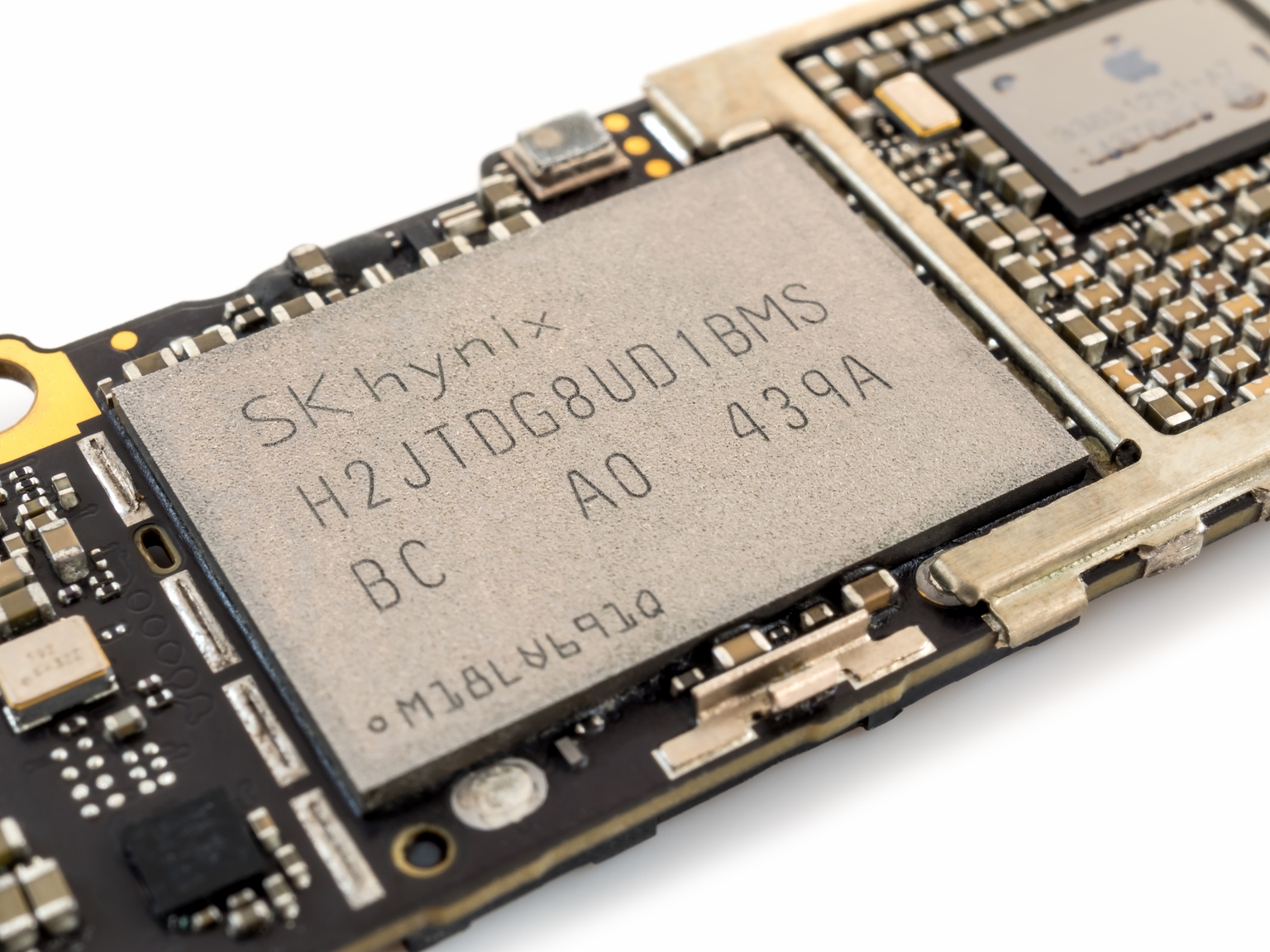
SK Hynix stock faces further downside risk despite recent weakness, according to analyst assessments of the memory chip market's cyclical dynamics. The South Korean semiconductor manufacturer has experienced pressure from oversupply conditions in DRAM and NAND flash memory markets, but valuation metrics suggest the selloff remains incomplete.
Memory chip cycles typically span multiple years, moving from oversupply through equilibrium to undersupply phases. SK Hynix currently sits in an extended oversupply period characterized by elevated inventory levels across the industry and persistent pricing pressure on both DRAM and NAND products. This environment has compressed gross margins for memory manufacturers, limiting near-term earnings recovery potential.
The analyst perspective highlights that SK Hynix trades at valuations that do not yet reflect the full depth of cyclical weakness typically seen at market bottoms. Historical precedent shows memory stock declines often extend further than investors initially anticipate. Current trading levels may offer investors only a partial discount relative to trough valuations reached during prior cycles.
Supply dynamics remain the key driver. Samsung Electronics and Micron Technology, SK Hynix's primary competitors, continue operating above optimal capacity utilization rates. This excess supply keeps spot prices for both DRAM and NAND flash below production costs for many industry participants. The memory market requires sustained production curtailment or demand acceleration before pricing stabilizes.
Demand recovery appears gradual at best. Data center spending shows softening after elevated levels in 2023 and 2024, while PC market growth remains modest. Smartphone manufacturers, another major customer segment, have deferred component purchases as they work through existing inventory. This demand weakness coincides with industry-wide capex commitments that will bring additional capacity online throughout 2024 and 2025.
For investors holding memory semiconductor positions, further portfolio deterioration remains a realistic risk. The combination of ongoing oversupply, continued industry capex expansion, and muted demand growth suggests SK Hynix could see additional downside before reaching valuation floors typical of prior cycles. Patience will be required before memory stocks become attractive entry points.
Traders monitoring the memory chip sector should watch SK Hynix spot pricing data and quarterly gross margin trends to signal stabilization, alongside Samsung and Micron earnings reports for industry-wide capacity plans.