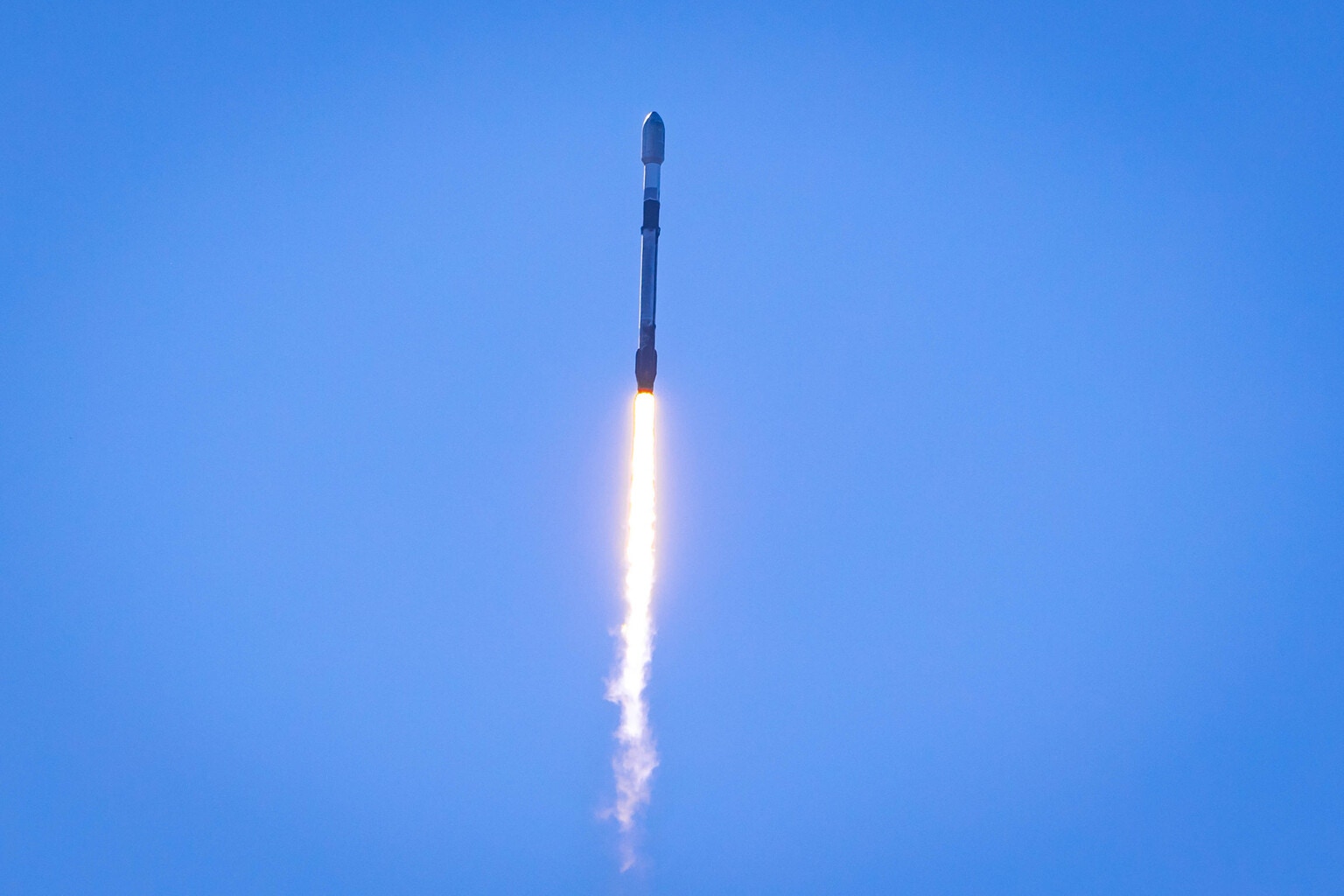
SpaceX's private valuation presents investors with a compelling but inaccessible opportunity in commercial space launch and satellite internet infrastructure. The company's latest funding round valued it at $180 billion, making it one of the world's most valuable private companies. Yet SpaceX remains off-limits to retail investors since it has not gone public.
The company dominates the commercial launch market with its Falcon 9 rocket, which recovers and reuses its first stage boosters at a cost roughly one-tenth that of competitors. This technological edge translates into pricing power. SpaceX charges $62 million per launch while maintaining margins most competitors cannot match. Starlink, its satellite internet subsidiary, now serves over 2 million customers globally, with revenue accelerating as international expansion continues.
SpaceX's valuation multiples appear stretched compared to established aerospace contractors. At $180 billion, the company trades on growth optionality rather than current earnings. Lockheed Martin (LMT) and Northrop Grumman (NOC) trade at 3 to 4 times sales. SpaceX's implied valuation suggests a multiple closer to 10 times sales when accounting for Starlink's growth trajectory.
What makes SpaceX compelling is execution. The company has achieved what seemed impossible: profitable commercial launch operations with reusable rockets. Starlink's unit economics improve monthly as production scales. Management's focus on vertical integration and manufacturing efficiency sets SpaceX apart from legacy contractors that outsource supply chains.
The valuation gap narrows when investors consider total addressable market expansion. Commercial launch, national security contracts, lunar missions, and Mars exploration represent addressable markets worth hundreds of billions annually. SpaceX captures early-stage share in multiple expanding segments simultaneously.
For investors unable to access SpaceX directly, proxy plays exist. Boeing (BA) benefits from SpaceX competition in launch services. Lockheed Martin and Northrop Grumman remain exposed to government space budgets that SpaceX increasingly contests. Axiom Space and other ISS commercial modules represent alternative angles.
The core investment thesis remains unchanged: SpaceX's technology compounds its competitive advantage yearly. Launch costs decline. Starlink economics improve. New revenue streams emerge. At $180 billion, the valuation reflects this optionality, but the company's execution track record justifies the premium to traditional aerospace multiples.
LMT, NOC, and BA warrant monitoring as aerospace stocks most exposed to SpaceX's market disruption. Watch quarterly commercial launch bookings and Starlink subscriber growth as the clearest indicators of whether SpaceX's premium valuation proves earned or excessive.