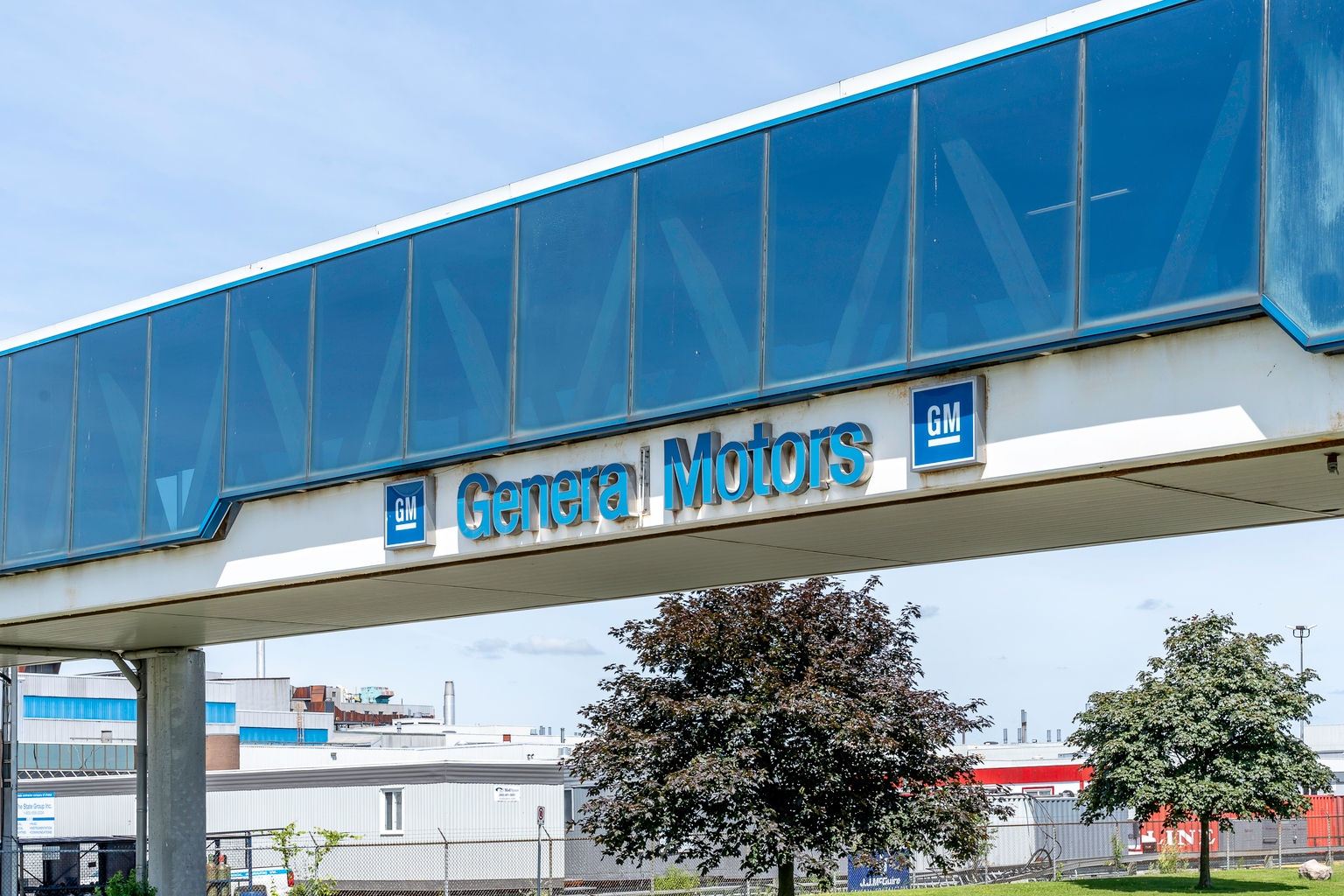
General Motors trades at a valuation discount to broader auto peers, presenting an attractive entry point for value investors ahead of second-quarter earnings. The automaker's stock reflects market skepticism about its ability to compete in the electric vehicle transition and profitability amid higher labor costs.
GM's valuation metrics appear compressed relative to Ford Motor and Stellantis. The stock trades at a low forward price-to-earnings multiple, suggesting the market has already priced in execution risk. However, the central question heading into Q2 results centers on whether GM can maintain pretax profit margins while scaling EV production and managing the wage increases from last year's labor agreement.
The Detroit automaker faces structural headwinds. New United Auto Workers contracts drove labor costs higher across the industry, but GM bears additional pressure from its aggressive electrification roadmap. The company committed to investing $35 billion in EV and autonomous vehicle development through 2025. This capital intensity comes as legacy gasoline vehicle sales remain profitable but are declining. Investors need clarity on whether GM's EV margins approach ICE profitability or whether the transition will compress returns for years.
GM's Q2 earnings report will reveal vehicle production rates, semiconductor supply chain stability, and pricing power in both EV and traditional segments. The company also guides full-year guidance, which will signal management confidence in navigating inflationary pressures and slowing consumer demand. Credit conditions and used vehicle values impact dealer inventory and retail sales momentum, creating additional variables.
The valuation floor exists because GM trades below its book value in many analyst models. Institutional investors recognize the dividend yield provides downside cushion. However, upside depends entirely on execution. If GM demonstrates EV demand traction, margin expansion, and successful capital allocation, the stock could re-rate higher. If EV adoption falters or margins contract, the cheap valuation reflects fair pricing for execution risk.
The Q2 print will answer whether GM can bridge its transition period without destroying shareholder returns. Watch for gross margins on EV sales, free cash flow generation, and any revisions to full-year profitability targets. Until GM proves it can grow earnings while transitioning the product mix, the low valuation will persist.