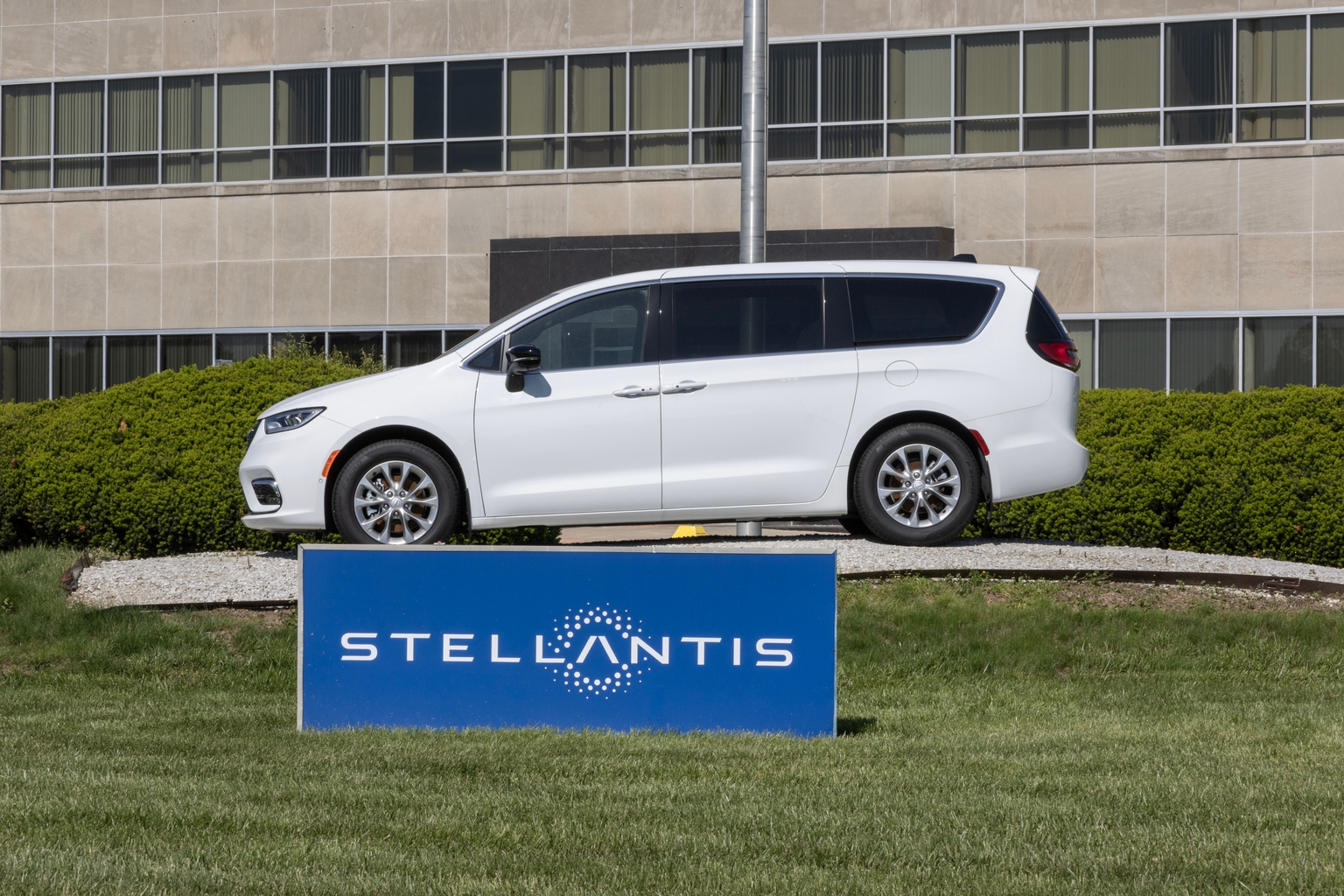
Stellantis reported third-quarter vehicle sales that offered a modest bright spot in an otherwise challenging operating environment for the multinational automotive manufacturer. The company's ability to maintain sales momentum despite headwinds signals resilience in specific market segments, though broader industry pressures persist.
The automaker navigates a landscape marked by softening demand in key markets, elevated production costs, and intensifying competition from electric vehicle makers. Stellantis, formed through the 2021 merger of Fiat Chrysler Automobiles and PSA Group, operates across North America, Europe, and other regions where economic uncertainty weighs on consumer purchasing power.
Revenue from vehicle sales provides critical cash flow for the company as it executes its electrification strategy. The quarterly results demonstrate that despite macroeconomic headwinds, certain nameplates and geographic markets remain sources of strength. Jeep, Ram, and Peugeot brands continue to attract buyers, suggesting selective demand persists even as overall automotive sales face pressure.
The "glimmer" referenced reflects Stellantis's pricing power in premium segments and its foothold in profitable light-truck categories. North America, which represents roughly half the company's profit, continues to generate substantial earnings despite slowing consumer credit conditions and rising interest rates. However, Europe faces steeper challenges, with weakening consumer confidence and competitive pressure from both traditional automakers and EV startups eroding margins.
Cost inflation remains a drag on profitability. Materials, labor, and semiconductor supplies strain margins across the industry. Stellantis has implemented price increases to offset these pressures, though elasticity limits how much consumers will tolerate before purchase decisions shift.
The company's electric vehicle rollout accelerates, with new models launching across brands. Success here depends on managing transition costs while maintaining profitability in legacy combustion platforms. Investors watch whether Stellantis can sustain current pricing power as the EV mix increases.
Free cash flow generation matters most for automotive investors. Stellantis must balance dividend payments, debt reduction, and capital expenditure for electrification infrastructure against near-term profit pressures. The quarterly sales data suggests near-term stabilization, but sustained margin compression would force management into capital allocation difficult choices.
Stellantis (STLA) faces near-term support from truck demand and pricing discipline in North America, but exposure to European weakness and EV transition risks merit close monitoring of quarterly earnings trends.