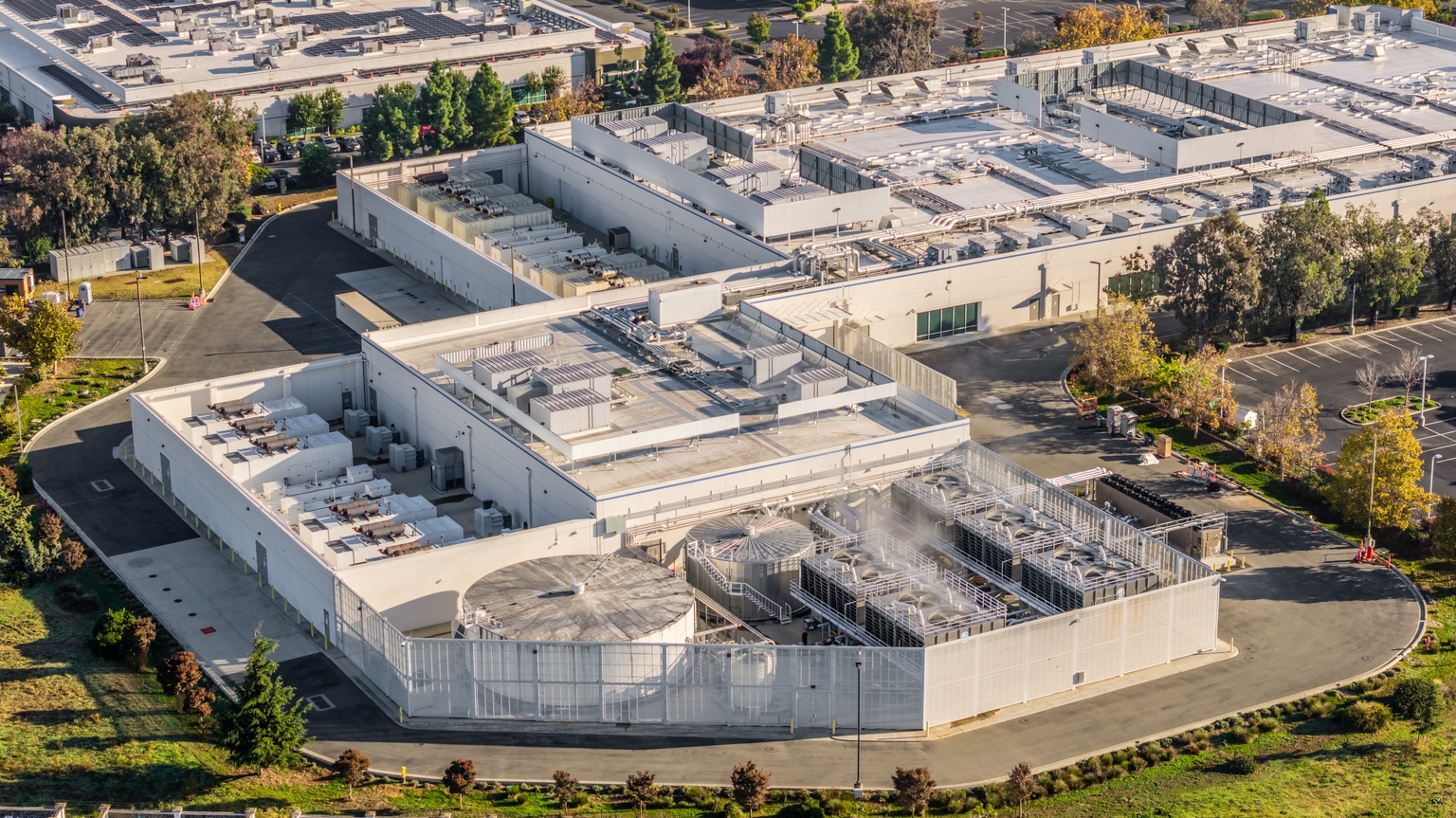
Core Scientific (CORZQ) has emerged as a compelling investment thesis built on the premise that artificial intelligence infrastructure faces a severe power shortage. The bitcoin mining company pivoted to focus on AI compute capacity and data center operations, positioning itself to capitalize on the explosive demand for GPUs and server infrastructure needed to train and deploy large language models.
The power scarcity argument centers on a simple reality. Data centers require enormous amounts of electricity to run AI workloads. Grid capacity struggles to keep pace with demand from tech giants building out their own AI infrastructure. Core Scientific operates power-intensive facilities that can be repurposed to support AI computing, giving it a structural advantage as enterprises bid for limited compute resources.
The company's shift away from pure bitcoin mining reflects recognition that AI compute will drive higher margins than cryptocurrency operations. Unlike bitcoin mining, which faces commodity-like pricing pressure, AI infrastructure commands premium rates. Clients including major cloud providers and enterprises desperate for LLM training capacity compete aggressively for available power and cooling infrastructure.
Demand tailwinds remain strong. Nvidia (NVDA) has sold hundreds of thousands of H100 and newer Blackwell GPUs. Major cloud providers including Amazon Web Services, Microsoft Azure (MSFT), and Google Cloud (GOOGL) continue investing billions in data center expansion. Private companies developing generative AI applications need access to compute. This creates a buyer's market where supply constrains pricing power in Core Scientific's favor.
The bull case assumes power infrastructure remains the bottleneck. If grid upgrades accelerate or new power plants come online faster than expected, scarcity premiums compress. Additionally, hyperscalers building proprietary data centers reduce their reliance on third-party operators like Core Scientific.
Nevertheless, Core Scientific's ability to monetize existing facilities and power relationships positions it well for sustained AI infrastructure demand. The company can generate recurring revenue from long-term compute contracts rather than relying on volatile bitcoin prices.
Investors should monitor how quickly new data center capacity enters the market and whether power constraint premiums hold as utilization rates rise across the AI compute ecosystem.