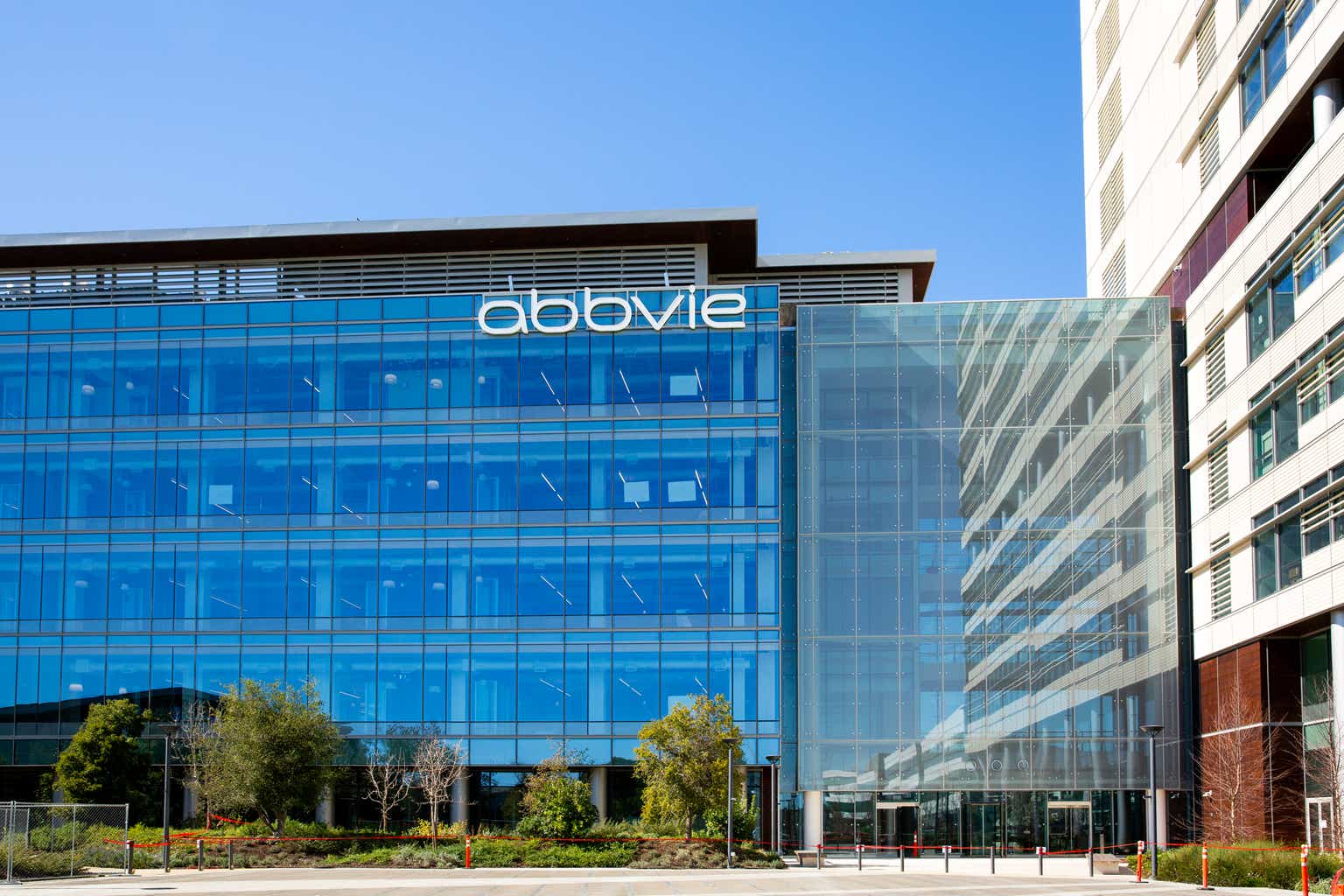
AbbVie strengthened its competitive position in immunology with the acquisition of Apogee Therapeutics, cementing dominance in a therapeutic area where the pharmaceutical giant already commands substantial market share. The deal expands AbbVie's pipeline in treatments for autoimmune and inflammatory diseases, categories where the company generates billions in annual revenue.
Apogee's portfolio adds depth to AbbVie's existing immunology franchise, which includes blockbuster drugs like Rinvoq and Skyrizi. These therapies drive recurring revenue streams and benefit from high switching costs that insulate them from competitive pressure. The acquisition targets areas where patient populations remain largely underserved despite current treatment options, allowing AbbVie to expand addressable markets within immunology.
The strategic rationale centers on consolidating AbbVie's already formidable moat in a field where the company competes against Eli Lilly, Novo Nordisk, and Amgen. AbbVie's existing scale in immunology creates advantages in clinical trial design, regulatory navigation, and commercial distribution that smaller rivals cannot easily replicate. Adding Apogee's assets accelerates internal development timelines while leveraging these existing advantages.
For investors, the deal reflects AbbVie's disciplined capital allocation strategy. Rather than building capabilities entirely from scratch, the company acquires proven assets in areas where execution risk is lower and synergy potential is high. This approach protects cash flows and supports the dividend that AbbVie investors depend on for total returns.
The transaction also signals confidence in immunology's long-term growth trajectory. Despite recent market maturation in some autoimmune segments, patient aging demographics and expanding disease definitions support continued demand. AbbVie positions itself to capture an outsized share of this growth while competitors pursue diversification strategies.
Risks remain modest given AbbVie's financial strength and operational track record in integration. The company has successfully absorbed comparable acquisitions and demonstrated capability in translating R&D investments into commercial wins. Management's execution on prior deals supports credibility around projections for this transaction.
The Apogee acquisition removes one competitive threat while bolstering AbbVie's ability to defend market share and command pricing power in immunology. Investors monitoring pharmaceutical stocks should track AbbVie's ability to integrate Apogee assets and accelerate development timelines over the next two to three years, particularly new drug approvals and revenue contribution metrics.