DBS Group, Singapore's largest bank by assets, lifted its 2026 gross domestic product growth forecast to 4.3 percent from a prior estimate of 3.8 percent. The revision reflects easing geopolitical tensions and improved global economic conditions that support regional expansion.
The upgrade signals confidence in Singapore's economic trajectory as trade flows stabilize and manufacturing activity gains momentum. DBS economists cited reduced uncertainty around key risk factors that had previously weighed on forecasts. Regional demand from neighboring economies in Southeast Asia strengthens the outlook for the city-state's financial services hub and petrochemical industries.
Singapore's economy relies heavily on external trade and foreign investment flows. The 50 basis point upgrade to the 2026 projection reflects expectations that global supply chains will continue normalizing and that central banks across developed markets will maintain supportive monetary conditions. DBS pointed to stronger-than-expected corporate capital spending plans and renewed business confidence surveys as supporting evidence for the higher growth trajectory.
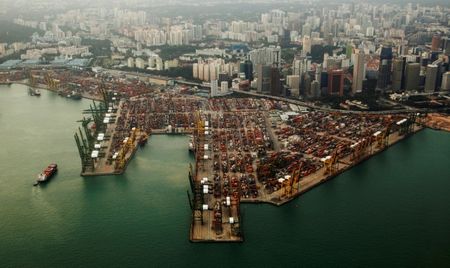
The forecast revision comes amid recovering semiconductor demand, a sector central to Singapore's manufacturing base. Regional logistics hubs and shipping activity through the Strait of Malacca continue benefiting from resumed trade patterns. Financial services institutions operating from Singapore have reported improved deal-making volumes and asset management inflows.
DBS maintained its 2024 and 2025 growth estimates, suggesting the bank views near-term momentum as adequate but sees acceleration materializing in the outer-year period. This positioning aligns with broader analyst expectations that global economic normalization will gather pace through 2025 and into 2026.
The upgrade carries implications for Singapore's currency, the Singapore Dollar, which typically strengthens on stronger growth outlooks and positive economic surprises. DBS's forecast revision supports regional equity allocations tilted toward Singapore's financial and industrials sectors, which benefit from both higher growth and potentially firmer monetary policy positioning by the Monetary Authority of Singapore.
Investors tracking Asian economic growth should monitor Singapore's quarterly GDP reports and business confidence indicators. The city-state serves as a leading indicator for regional health given its trade exposure and financial services concentration. Any downside surprises to actual growth data relative to DBS's revised forecast would signal weakening regional momentum.