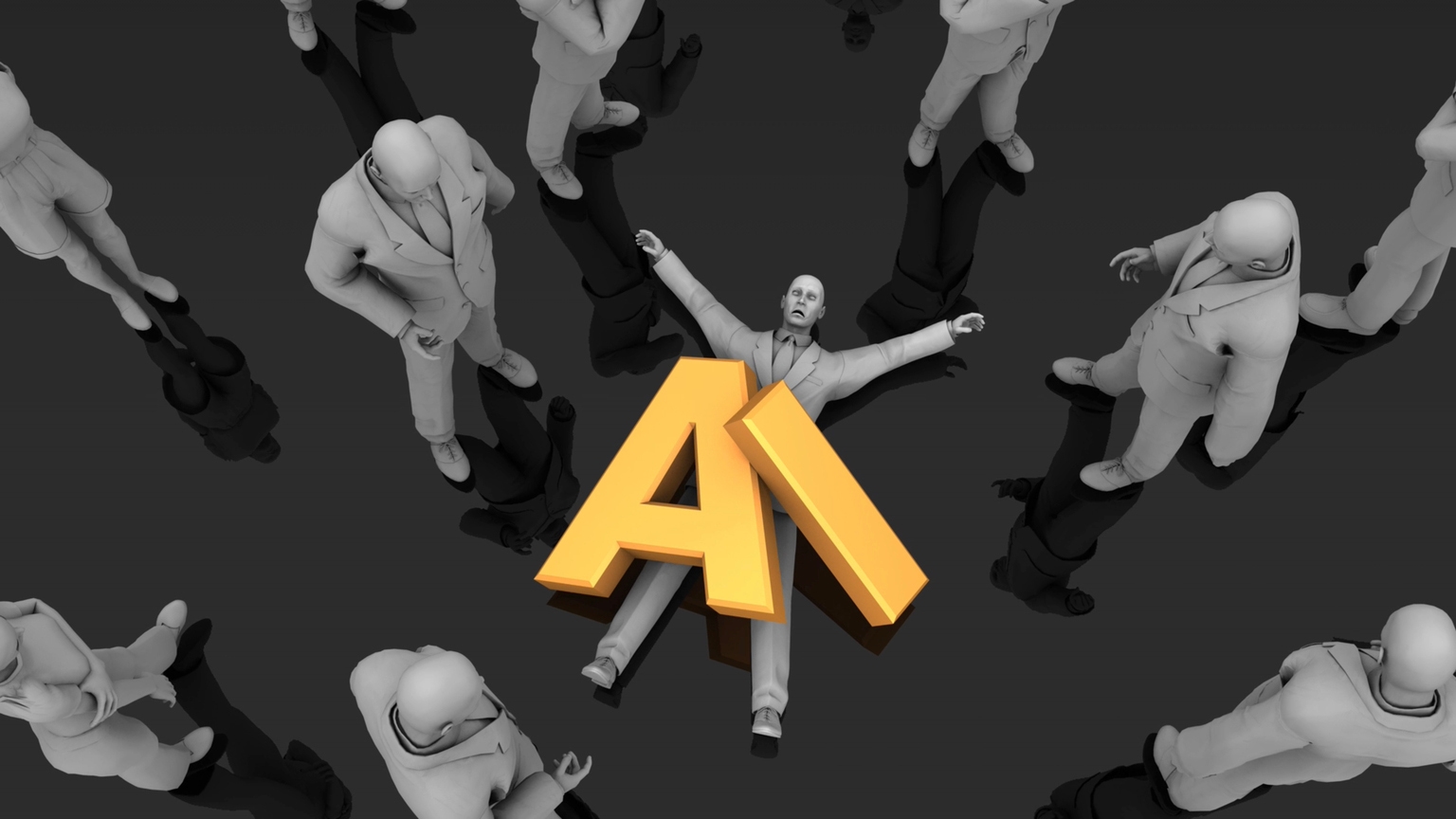
# AI's Promise of Deflation Meets Unexpected Headwinds
Artificial intelligence adoption promised to lower prices across sectors by boosting productivity and efficiency. Instead, markets are grappling with an unforeseen inflationary dynamic tied to AI implementation.
The deflationary thesis rested on a straightforward logic. AI reduces labor costs, streamlines operations, and accelerates output. Lower production expenses translate to cheaper goods and services for consumers. This productivity gain should have pressured prices downward, easing inflation concerns that plagued 2022 and 2023.
Reality diverged sharply from this projection. Companies investing heavily in AI infrastructure face substantial upfront capital expenditures. Data center buildouts, GPU purchases, and software licensing consume billions in spending. These costs get passed to consumers through higher prices, offsetting any long-term efficiency gains. Additionally, energy consumption from AI operations strains power grids, pushing electricity costs higher in regions dependent on generative AI infrastructure.
A second dynamic compounds the problem. Firms capturing AI productivity gains face margin expansion opportunities. Rather than cutting prices aggressively, many companies opted to preserve margins, keeping prices stable or raising them modestly. This behavior runs counter to classic competitive theory, where productivity advances force price competition. Instead, AI leaders extract supernormal profits while broader inflation persists.
Labor markets show another complication. AI displacement in certain sectors creates earning volatility for workers, reducing purchasing power precisely when they need income stability. Service sector workers facing automation risk offset gains consumers might see from cheaper AI-enabled services.
The energy angle represents perhaps the most persistent headwind. Nvidia, major cloud providers, and semiconductor companies all flagged power constraints as AI scaling accelerates. Utilities now operate near capacity in data-center-heavy regions. This bottleneck forces infrastructure investment that raises utility costs for commercial and residential customers alike.
Federal Reserve policymakers now confront an uncomfortable reality. Interest rate decisions must account for AI's inflationary near-term effects, even as long-term productivity should theoretically lower inflation. This creates policy tension. Cutting rates too quickly risks stoking demand when AI-driven inflation persists. Holding rates too high strangles growth before AI productivity benefits materialize.
Market expectations for rate cuts in 2024 have already adjusted downward. Bond traders priced in fewer cuts as inflation concerns resurface. Technology stocks, which benefited from AI enthusiasm, face headwinds if rate cuts disappoint.
Nvidia (NVDA), the Magnificent Seven, the S&P 500 (SPY), and the Nasdaq 100 (QQQ) face pressure if AI's deflationary promise continues to miss while inflation-fighting rate cuts get delayed further.