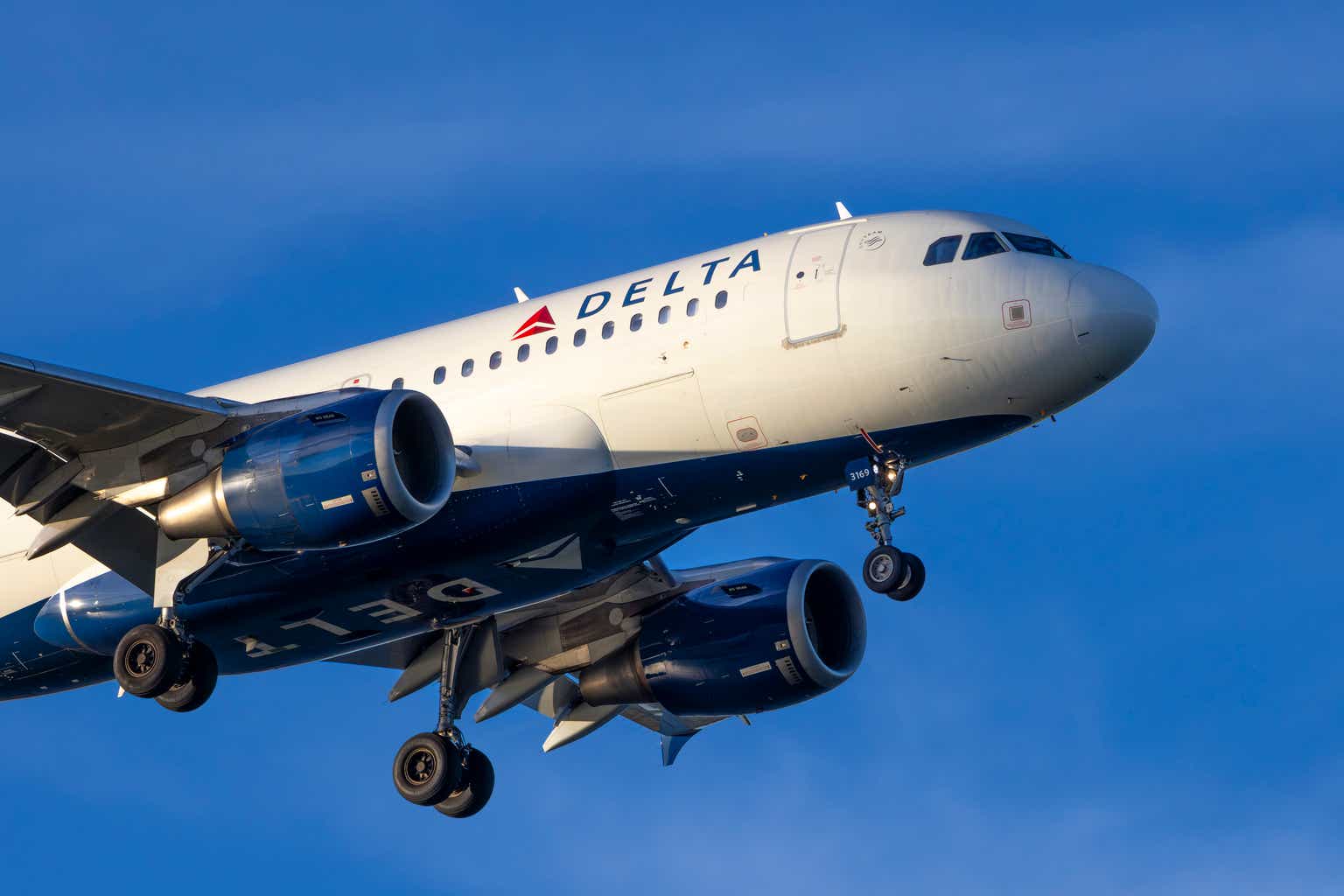
Delta Air Lines delivered the operational performance that justified an initial buy thesis, but emerging headwinds warrant a downgrade to hold. The airline executed well on cost management and capacity discipline, driving stronger margins than the broader sector. However, multiple risks now threaten the investment case.
Fuel hedging losses represent the most immediate concern. Delta's fuel derivatives lost significant value as oil prices declined, locking in higher effective fuel costs. This hedging drag persists through 2024 and 2025, eroding profitability despite operational excellence. The airline faces a structural margin compression that operational improvements alone cannot fully offset.
Labor cost inflation accelerates across the industry. Delta negotiated new pilot agreements featuring double-digit annual wage increases, pushing pilot compensation to record levels. Flight attendant negotiations loom next quarter, with industry precedent suggesting similar wage pressure. These labor deals stick for five to six years, limiting management's ability to flex costs downward if demand softens.
Macroeconomic headwinds mount. Corporate travel softness has already appeared in premium cabin bookings. Consumer demand shows early fatigue signals as credit card delinquencies rise and spending growth slows. Recession risks remain materially elevated, and leisure travel typically holds resilience only until consumer balance sheets deteriorate further.
Domestic capacity additions by competitors threaten pricing power. Southwest Airlines, American Airlines, and United continue network expansion in core markets. This supply growth compresses unit revenue potential precisely when Delta needs pricing strength to absorb fuel and labor cost increases.
The stock price already reflects much of the positive operational narrative. Delta traded at elevated multiples relative to peers before declining, suggesting limited upside from current execution levels. Valuation offers insufficient margin of safety given the intersection of hedging losses, labor inflation, and macro softness.
The downgrade reflects not deteriorating fundamentals but rather a shifting risk-reward framework. Delta remains operationally superior to peers, but that advantage no longer justifies the valuation premium. The airline industry faces a challenging 2024-2025 period where structural cost inflation outpaces pricing power.
Investors should monitor quarterly earnings for guidance revisions, fuel hedging position updates, and labor negotiation progress with flight attendants. Watch for any deterioration in premium cabin yields and corporate booking trends, which signal consumer health and demand trajectory.
DAL faces intensifying margin pressure from multiple directions despite solid near-term operational trends. Investors watching DAL should track Q1 guidance revisions and fuel cost realization against hedged positions.