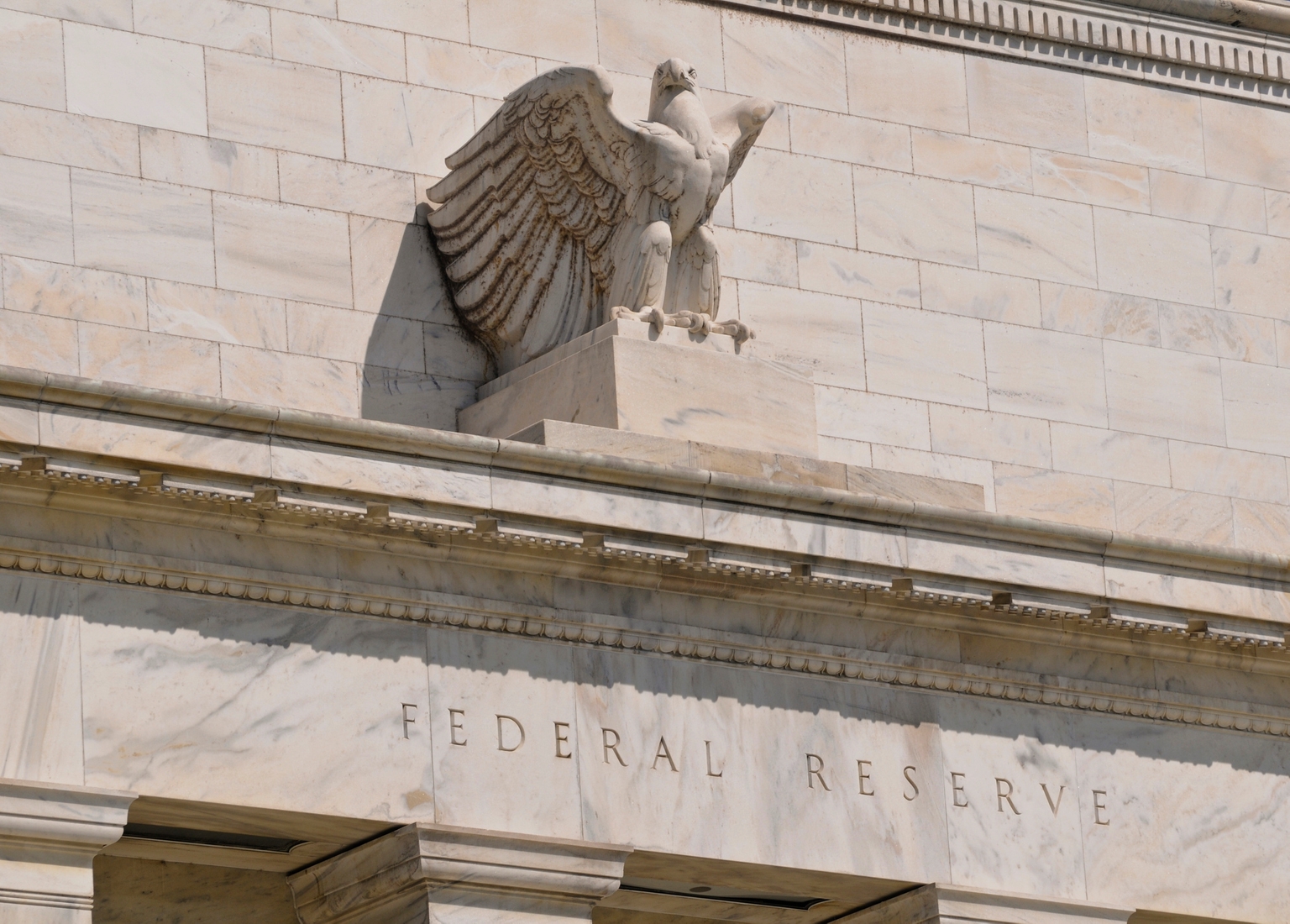
The Federal Reserve held its benchmark interest rate steady at the December meeting, maintaining the federal funds rate in the 4.25% to 4.50% range. The decision came as Kevin Warsh took over as Fed Chair, replacing Jerome Powell after his two-term tenure concluded.
Warsh's appointment marks a significant shift in Fed leadership. As a former Fed governor and investment banker, Warsh brings market-oriented credentials and hawkish inflation-fighting views to the role. His nomination by President Trump signals a potential change in monetary policy direction, though the immediate decision to hold rates reflects the Fed's cautious stance on inflation developments.
The hold decision indicates the Fed sees limited urgency to cut or raise rates at this juncture. While inflation has cooled from its 2022 peaks, core inflation remains above the Fed's 2% target. This balancing act between avoiding premature rate cuts and allowing borrowing costs to stabilize shapes the Fed's near-term calculus.
Market participants scrutinized Warsh's first policy statement for any signals about future direction. Warsh has previously argued for measured rate hikes to combat persistent inflation, distinguishing him from Powell's more data-dependent approach. However, his immediate action maintains continuity. The Fed acknowledged recent labor market softening and stated it will remain "sufficiently restrictive" until inflation durably reaches its 2% objective.
The rate hold removes uncertainty about near-term monetary policy moves heading into 2025. This stability benefits equity markets, which had priced in little probability of rate movement at this meeting. Bond markets digested the decision with minimal volatility, as the 10-year Treasury yield remained anchored around 4.2% following the announcement.
Investors now focus on Warsh's communication style and any policy recalibration he might signal at future press conferences. Market expectations for 2025 rate cuts have compressed compared to late 2024, as investors assess whether Warsh's more inflation-hawk positioning translates to policy action. The employment report and consumer price index data become critical indicators of how aggressive the new Fed chair will prove.
The transition also matters for asset allocation. Growth stocks and technology names benefit from lower rate expectations, while financials gain from sustained higher rates. Warsh's tenure could reshape these dynamics if his stated inflation concerns translate into reluctance to cut rates later in 2025.