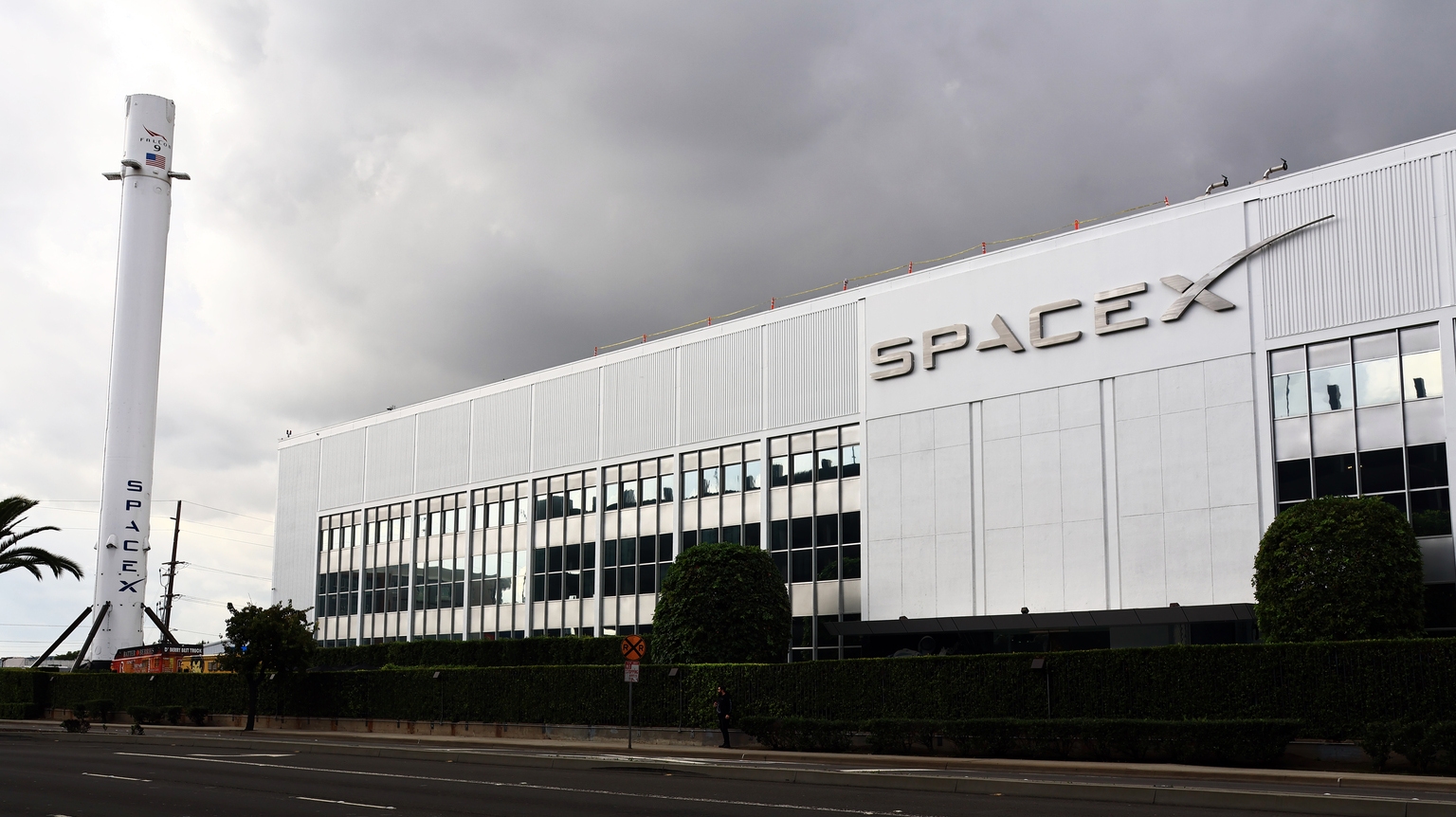
# SpaceX: There Are Wrong Times To Buy Great Companies
SpaceX represents a compelling long-term investment opportunity, but timing matters enormously when valuing private companies with no public markets to guide pricing. The aerospace and defense contractor commands premium valuations based on its leadership in commercial spaceflight, satellite internet deployment through Starlink, and government contracts. Yet private equity investors face a brutal reality: buying into SpaceX at today's valuation may lock in disappointing returns despite the company's operational excellence.
The core issue centers on entry price versus growth trajectory. SpaceX trades at valuations reflective of a mature, profitable enterprise. However, the company still reinvests heavily in next-generation technology like the Starship program, which consumes capital while building future revenue streams. Investors who buy at current prices may find that years of strong execution barely compensate for the premium they paid upfront.
Public markets solve this problem through continuous price discovery. A Tesla or Amazon investor who overpaid can adjust their position daily. Private company investors lock capital for years, betting that compounding growth will eventually justify entry prices. SpaceX's recent funding rounds valued the company north of $180 billion. At that multiple, even exceptional growth may deliver mid-single-digit annualized returns by the time investors can exit.
The timing paradox intensifies because SpaceX genuinely excels operationally. Starship iterations progress rapidly. Starlink aims for billions in revenue. Government contracts remain steady. Yet operational success does not automatically translate to investor returns when the purchase price assumes that success. Value traps exist in private markets just as they do in public ones.
Sophisticated investors recognize that "great company" and "good investment" occupy different universes. A business can be world-class and still represent poor value at certain entry points. SpaceX investors must assess whether current valuations leave room for the company to grow into its price, or whether they simply paid top dollar for a proven operator with limited upside.
The lesson applies broadly to late-stage private companies. Superior management and market position do not guarantee superior returns. Timing entry prices remains the forgotten variable in investor narratives that focus obsessively on company quality.