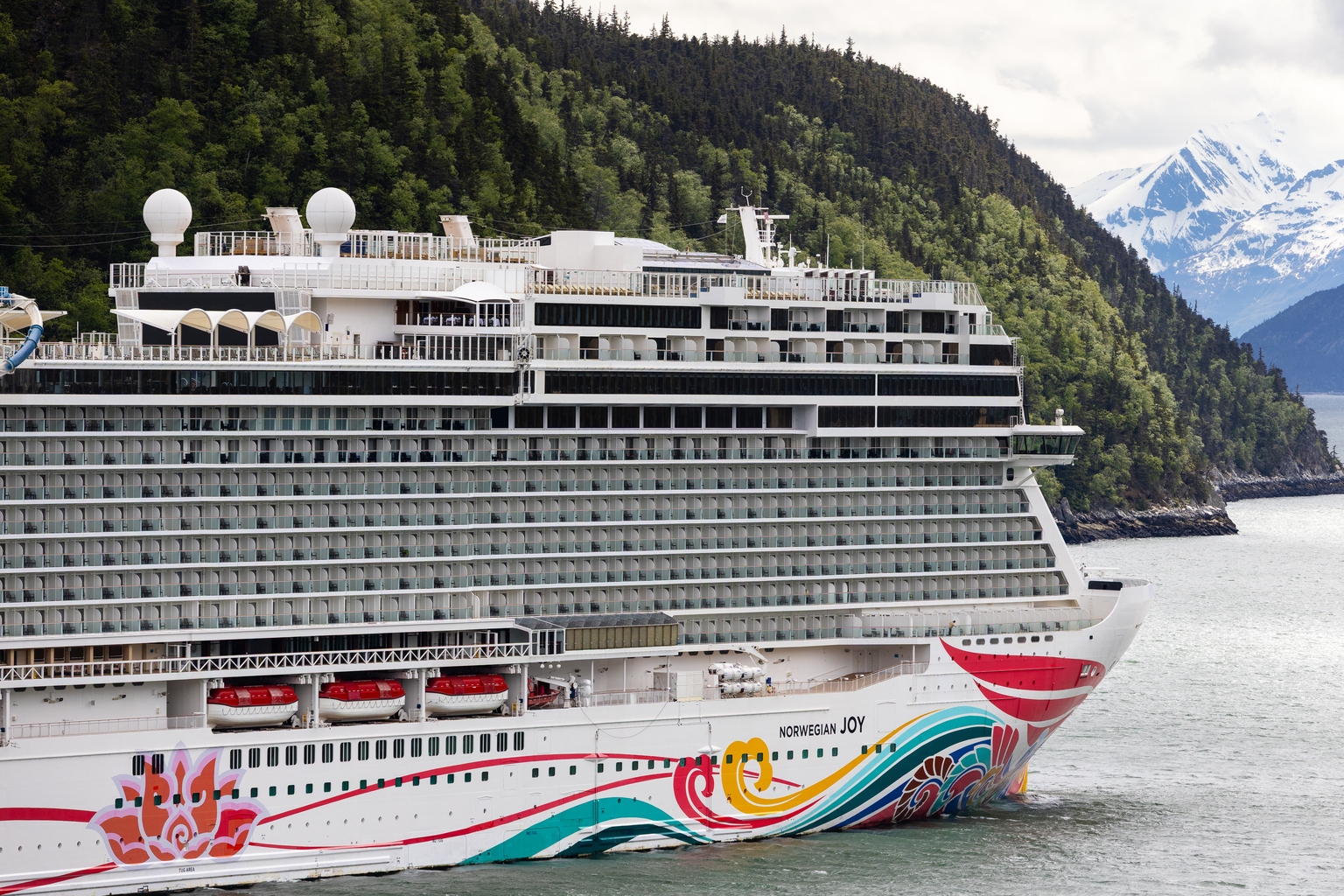
Norwegian Cruise Line Holdings (NCLH) shares have tumbled on recent weakness, but the cruise operator's fundamentals remain intact despite near-term headwinds affecting the broader sector.
The company faces seasonal demand softness typical of Q1 operations, when bookings contract after the holiday travel rush. This pattern repeats annually and reflects normal cruise industry dynamics rather than structural deterioration. Management maintains pricing power across its fleet, with premium itineraries sustaining elevated yields even as volume moderates.
Cash flow generation remains robust. Norwegian's debt reduction trajectory continues on schedule, with management deploying free cash flow toward liability management rather than aggressive expansion. The company has refined its capital allocation strategy to balance debt paydown with shareholder returns, a discipline investors initially questioned but now recognize as prudent.
Capacity additions remain controlled. Unlike competitors who aggressively expanded pre-pandemic, Norwegian scaled growth more conservatively. This measured approach shields the operator from overcapacity risks plaguing some rivals, particularly in Caribbean and Alaska segments where itinerary diversity provides pricing flexibility.
Operational metrics support the bull case. Current-year booking curves show sequential improvement month-over-month, with rates trending above prior-year comparisons. The company's modern fleet composition, featuring newer ships with higher per-diem economics, enhances profitability per available berth. Fuel surcharges remain sustainable given prevailing energy prices.
Valuation offers asymmetric opportunity. NCLH trades at a discount to both historical multiples and peers on forward earnings estimates. The stock's weakness reflects macro anxiety about consumer spending rather than cruise-specific demand destruction. Household savings rates stabilize, and employment remains resilient, supporting discretionary travel spending.
Sentiment swings disproportionately affect cruise stocks due to leverage and operating leverage amplifying both upside and downside volatility. Current pessimism presents a classic entry point for investors with medium-to-long-term horizons who recognize the sector's cyclical recovery pattern.
Management guidance for full-year occupancy and pricing remains achievable. Near-term margin pressure from labor cost normalization proves temporary, flattening within two to three quarters as operational leverage reasserts itself.
NCLH represents a beaten-down asset trading below intrinsic value with execution visibility through peak seasons. The panic reflects sentiment rather than fundamental deterioration.