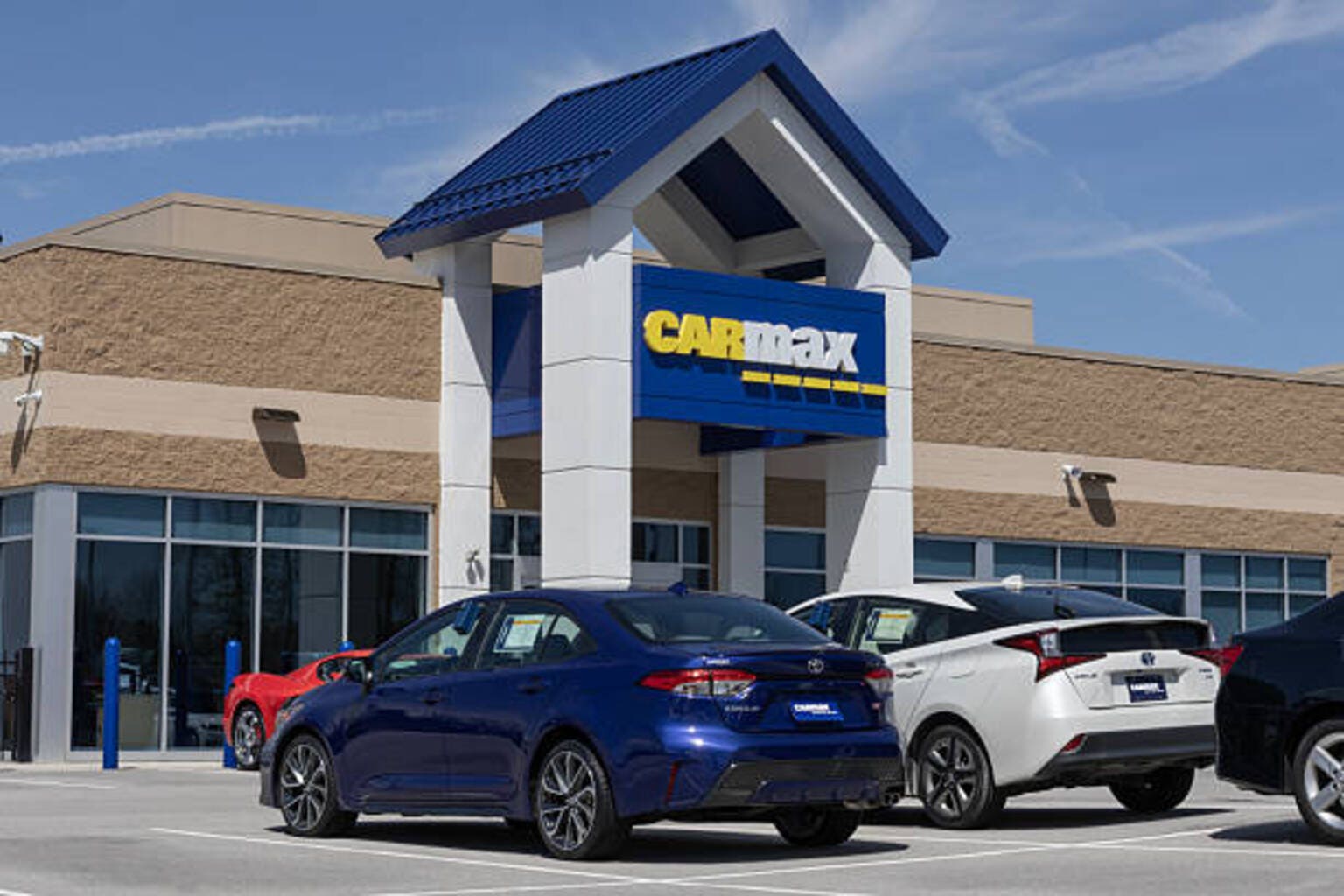
CarMax delivered operational improvements in its first quarter, but the used-car retailer's current valuation leaves little room for upside, prompting a downgrade from buy to hold.
The company demonstrated solid execution across its core business. CarMax expanded dealer inventory and improved retail penetration, signaling recovery momentum in a market that faced headwinds over the past year. Same-store sales trends turned positive, and the company maintained disciplined pricing strategies that protected margins while clearing aging stock.
Net income grew in the quarter, reflecting both operational gains and lower finance costs compared to the year-ago period. The company's core used-car retail business showed resilience despite persistent consumer credit pressures and affordability concerns that continue to weigh on the broader auto sector.
However, the stock's valuation has already priced in these improvements. CarMax trades at a price-to-earnings multiple that leaves limited margin of safety for investors. The analyst notes that while the operational trajectory is genuine, the risk-reward balance no longer favors initiating or adding to positions at current levels.
The downgrade reflects an honest assessment rather than deteriorating fundamentals. Investors should view this shift as a valuation call, not a narrative reversal. CarMax remains a quality operator in the fragmented used-car market with strong brand recognition and omnichannel capabilities. Its financing arm provides recurring revenue and customer stickiness that separates it from competitors.
Looking forward, CarMax faces two critical variables. Consumer credit availability could tighten further if interest rates remain elevated, denting demand for discretionary purchases like used vehicles. Inventory normalization, while positive operationally, may compress margins if supply growth outpaces demand recovery.
The recommendation shift suggests investors wait for a more attractive entry point. A pullback to a 12-15x forward earnings multiple would restore adequate risk-reward positioning. Current market conditions do not create urgency to establish or increase exposure.
CarMax's business fundamentals deserve respect, but stock price and valuation matter equally. Downgrading from buy to hold acknowledges improving operations while protecting investors from paying full price for already-recognized gains.
---