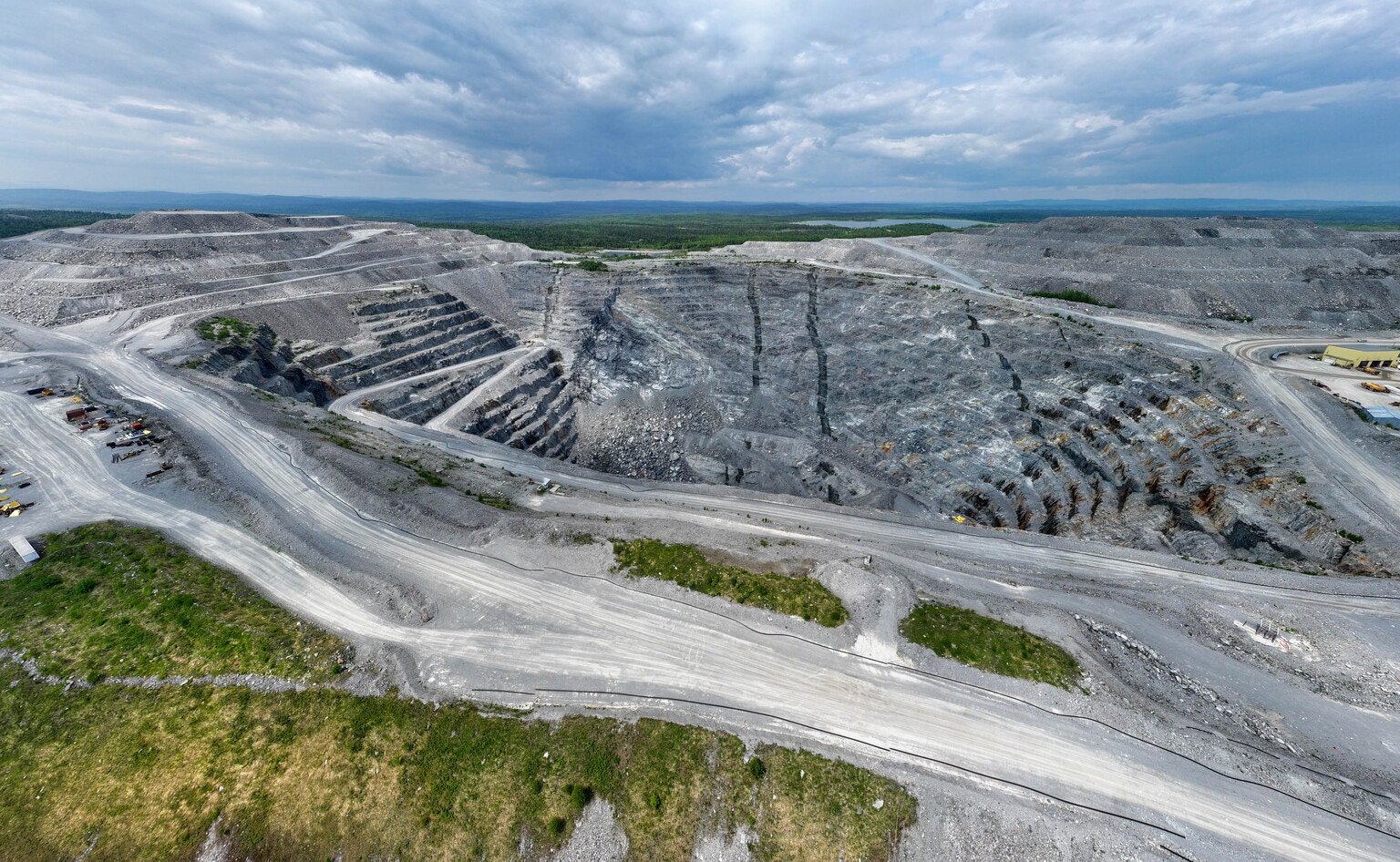
Lynas Rare Earths faces a pivotal moment as geopolitical tensions and supply chain disruptions transform strategic scarcity into tangible revenue. The company operates critical rare earth processing capacity outside China, positioning it as a cornerstone supplier for defense contractors, renewable energy manufacturers, and technology firms dependent on specialty metals.
Rare earth elements power permanent magnets in electric vehicle motors, wind turbines, and military guidance systems. China controls roughly 60 percent of global rare earth production and processes over 85 percent of refined materials. This concentration risk has prompted Western governments to invest heavily in alternative supply chains, directly benefiting Lynas.
Lynas operates the Mount Weld mine in Western Australia and processes materials at its Kuantan facility in Malaysia. The company has secured long-term offtake agreements with major industrial customers seeking supply security. These contracts lock in pricing floors and guarantee volumes, converting what was once speculative scarcity into predictable cash flow.
Recent demand from the U.S. Department of Defense and NATO allies has intensified competition for rare earth allocation. Lynas has announced expanded capacity targets, with plans to increase production of critical materials including neodymium, dysprosium, and terbium. These elements command premium pricing due to limited alternative sources and growing end-use applications.
The company's margin structure has improved as contract negotiations shift leverage toward suppliers. Spot prices for individual rare earths have climbed sharply, but forward contracts provide Lynas with visibility into cash generation over multi-year horizons. This reduces earnings volatility and supports higher valuation multiples.
Supply chain diversification remains a core government objective across North America and Europe. Investment credits and subsidies for rare earth processing capacity have enhanced Lynas' competitive position. The company benefits from policy tailwinds that favor established producers operating outside China's sphere of influence.
Execution risk persists around capacity additions and regulatory approvals. Environmental compliance costs in Malaysia have increased, pressuring margins. Currency movements between the Australian dollar and U.S. dollar affect reporting earnings, though physical operations remain largely hedged.
Lynas trades on the Australian Securities Exchange and holds significant exposure to defense spending cycles and renewable energy deployment rates. Strategic scarcity converting to contracted revenue streams reduces business cyclicality and supports investor confidence in forward earnings power.