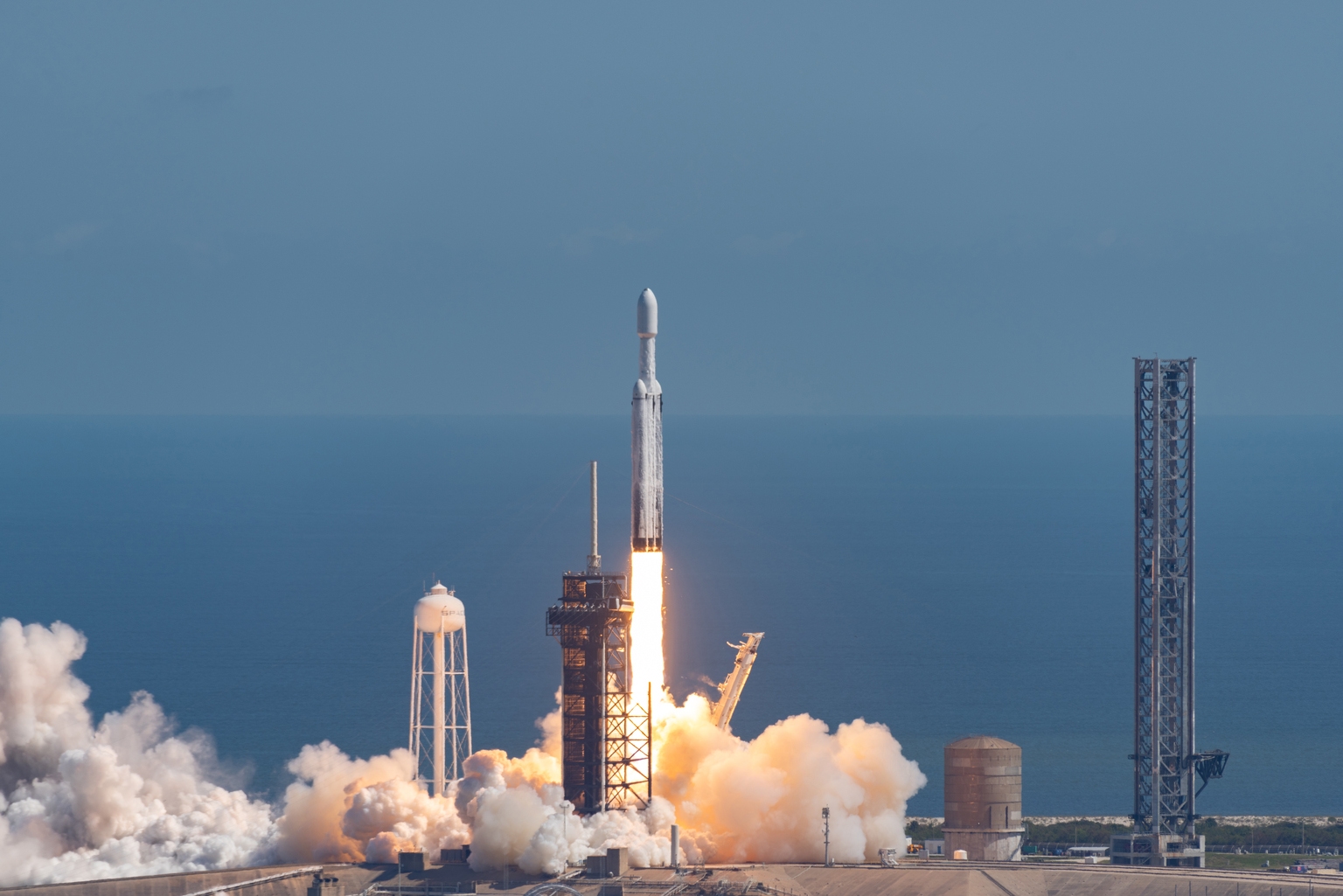
SpaceX, Elon Musk's privately held space launch company, has become one of the most valuable private companies globally. Investors tracking the space exploration sector and commercial launch services face a critical valuation question: whether current pricing reflects realistic growth assumptions or represents an inflated bubble.
The article positions SpaceX as fundamentally strong on operational execution. The company dominates the commercial satellite launch market, controls a majority share of US government launch contracts, and continues advancing Starship development for eventual Mars missions. These factors underpin genuine long-term revenue potential.
However, valuation metrics have stretched significantly. Recent private market transactions valued SpaceX at approximately $210 billion, a substantial jump from previous rounds. This valuation implies aggressive growth assumptions for government contracts, commercial payload volumes, and future Starship revenue streams. The company's current pricing incorporates much of its bull case already.
The article recommends patience rather than immediate accumulation. Investors should wait for a pullback in SpaceX's valuation before adding exposure. This reflects a realistic assessment of risk-reward dynamics in private markets where liquidity remains limited and exit windows unpredictable.
For investors without direct SpaceX access through private share markets, the tactical recommendation applies indirectly through aerospace and defense stocks that benefit from SpaceX's supply chain partnerships and competitive pressure on legacy contractors like Boeing (BA) and Lockheed Martin (LMT). Companies like Axiom Space, which partners with SpaceX on commercial space stations, also face correlated valuation pressures.
The timing question matters because SpaceX's next funding round or secondary market window could deliver the pullback opportunity. Historical patterns show private unicorns in adjacent sectors rarely sustain peak valuations. Growth stocks often correct 20-35 percent before stabilizing at new equilibrium levels.
Investors monitoring aerospace exposure should recognize that SpaceX's valuation doesn't directly impact public equity prices today, but sentiment around private space companies influences how institutional capital allocates to aerospace contractors. A SpaceX correction would likely spark rotation into cheaper legacy defense names.
The broader lesson: exceptional execution and market dominance do not guarantee optimal entry points. Waiting for valuation resets remains a prudent investment discipline.
BA, LMT, and aerospace sector indices represent the public market proxies for SpaceX sentiment. Monitor private market secondary transactions and SpaceX funding announcements for valuation reset signals.