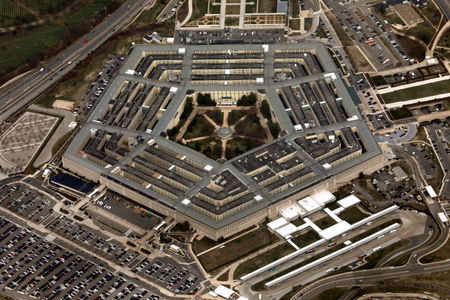
China has lodged a formal protest against the U.S. Pentagon's decision to designate major Chinese technology firms as military-linked entities. The move, which restricts American investment in these companies, escalates tensions in the tech sector between the world's two largest economies.
The Pentagon released an updated list of Chinese companies with alleged ties to the Chinese military or defense establishment. This designation carries real consequences. U.S. investors face restrictions on purchasing securities issued by these firms, and American companies encounter obstacles when conducting business with the designated entities.
China's Foreign Ministry called the action "baseless" and accused the Pentagon of applying politicized criteria. Officials argued the designations violate international trade rules and damage normal commercial relations. The protest reflects Beijing's view that Washington weaponizes national security concerns to target Chinese innovation leaders.
The list includes some of China's most valuable technology firms spanning semiconductors, telecommunications, and advanced manufacturing. These companies had previously operated with relatively few restrictions in Western capital markets. The Pentagon designation effectively cuts off a major funding channel and signals heightened scrutiny from Washington.
Investors holding positions in affected Chinese tech stocks face potential forced sales or restrictions on new purchases through American portfolios. Chinese companies relying on U.S. technology components or partnerships now confront supply chain complications. The development adds another layer to existing tensions over semiconductor exports, intellectual property disputes, and broader decoupling efforts between American and Chinese technology ecosystems.
The timing compounds pressure on Chinese equities. The Hang Seng Index and Shanghai Composite have absorbed multiple regulatory headwinds in recent months. Foreign direct investment in China has slowed as multinational corporations reassess exposure to geopolitical risk.
Industry observers note this follows a pattern. The Pentagon periodically updates its military-linked list, but recent updates have moved faster and cast wider nets. Companies already facing U.S. export controls or sanctions saw little surprise. However, firms newly designated experienced sudden valuation shifts as investors reassessed ownership legality.
The designation stands regardless of Chinese government protest. The Pentagon operates under Congressional authorization. Reversing the list requires either new Congressional action or demonstrated evidence that designations lack merit. China's diplomatic objections have not historically changed Washington's calculus on military-linked designations.
Investors watching Chinese technology stocks traded globally should monitor whether additional designations arrive before year-end, as capital flight from affected securities may accelerate.