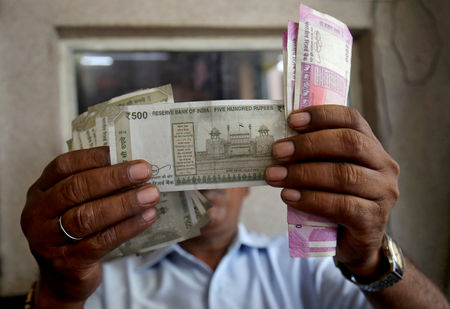
Asian currency markets displayed mixed performance as traders recalibrated positions around Iran nuclear negotiations and shifting geopolitical risk. The Indian rupee emerged as the top performer, gaining ground amid expectations that reduced Middle East tensions could lower crude oil prices, benefiting India's massive import bill.
The rupee strengthened against the dollar, reflecting investor confidence that de-escalation in Iran talks could ease energy costs for the world's third-largest oil importer. India's current account deficit narrows when oil prices fall, reducing pressure on the currency from import spending. Analysts noted the rupee's outperformance underscores how energy-dependent economies stand to gain most from Middle East stability improvements.
Elsewhere across Asian FX markets, sentiment remained choppy. The Chinese yuan traded sideways as investors weighed Beijing's economic stimulus announcements against persistent deflation concerns. The Japanese yen held steady, with traders monitoring Bank of Japan policy signals ahead of upcoming inflation data. The Singapore dollar and Australian dollar both retreated slightly, reflecting broader dollar strength from safe-haven demand persisting in global markets.
Thailand's baht weakened after the central bank signaled a measured approach to rate cuts, disappointing investors betting on faster monetary easing. South Korea's won dipped on concerns about slowing chip exports and semiconductor sector weakness. The Philippine peso also softened amid broader emerging market currency pressure.
The moves highlighted how Asian FX markets react differently to geopolitical shifts based on each economy's specific vulnerabilities. Energy importers like India and Thailand benefit from lower oil costs, while export-oriented economies worry about slower growth. Traders positioned for continued volatility ahead of key economic data releases, including inflation readings and trade figures across the region.
Currency volatility in Asia typically spikes during geopolitical uncertainty, making positioning difficult for carry trade investors who dominate FX markets. The rupee's strength bucked broader weakness in emerging market currencies, underscoring how commodity-dependent economies can decouple from peers during energy-related shifts. Investors should monitor crude oil price movements, which drive Asian currency trends.
Oil prices, energy imports, and rupee strength remain the key variables shaping Asian FX direction. Watch WTI crude, USD/INR, and USD/CNY for signals on whether Iran peace talks sustain momentum and whether crude falls sufficiently to benefit Asia's energy importers.