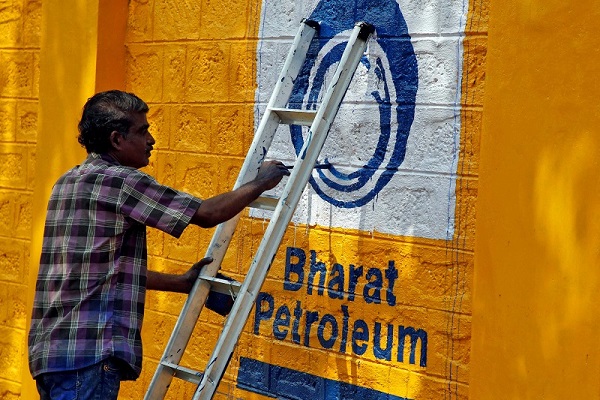
India's state-owned oil companies lifted cooking gas prices for the third consecutive month, pushing household expenses higher as geopolitical tensions in the Middle East drive crude costs upward. The increase reflects mounting pressure on India's energy imports tied directly to instability surrounding Iran.
Indian Oil Corporation, Bharat Petroleum, and Hindustan Petroleum each raised liquefied petroleum gas (LPG) prices by approximately 25 rupees per cylinder in major cities. A standard 14.2-kilogram cooking gas cylinder now costs around 855 rupees in Delhi, up from prior months. The cumulative increases over three months totals roughly 75 rupees per cylinder, translating to material cost pressures on roughly 190 million Indian households reliant on LPG for daily cooking.
The price escalation stems from elevated import costs. India imports roughly 55 percent of its LPG from the Middle East, with Iran historically supplying a significant portion. Escalating tensions in the region, combined with existing supply constraints, have driven up international LPG spot prices. Brent crude futures have climbed above $85 per barrel, reflecting geopolitical risk premiums tied to Strait of Hormuz shipping vulnerabilities.
For Indian consumers, the timing compounds inflation pressures. Retail inflation remains sticky above the Reserve Bank of India's 4 percent target. Cooking fuel represents a non-discretionary household expense, meaning families cannot easily reduce consumption despite higher prices. Lower and middle-income households face disproportionate impact, as energy costs consume a larger share of their monthly budgets.
The government faces political pressure to cap or subsidize LPG prices, but fiscal constraints limit intervention options. India's oil companies absorb losses when retail prices fall below import parity costs. Fresh subsidy programs would strain already-tight public finances targeting infrastructure and social spending.
International crude markets remain the primary driver here. Any de-escalation of Iran-related tensions could ease pressure on India's import bill. Conversely, further Middle East disruptions would likely trigger additional price increases across India's energy sector, extending beyond cooking gas to diesel and petrol pumps nationwide.